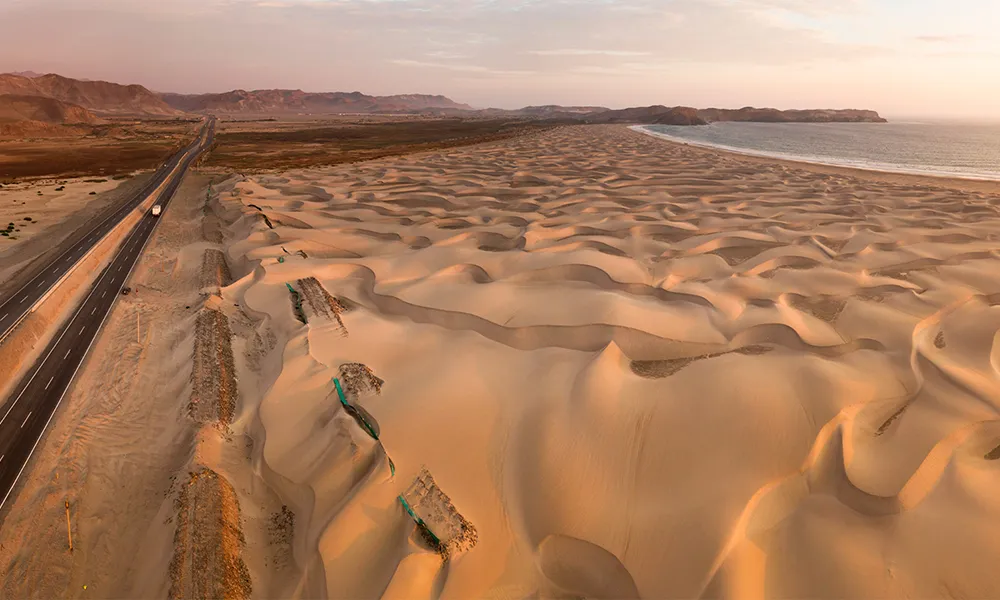
The Sechura Desert, in the department of Piura, is the largest in Peru and one of the most impressive in South America. It is not just an arid landscape: it is a land of ancient cultures like the Tallanes, the scene of unique natural phenomena, giant dunes, vast bays, mangroves, and fishing coves where life still revolves around the sea. Here, tradition, nature, and adventure coexist.
Location and Access
- Location: Sechura, Paita, and Talara provinces (Piura).
- Altitude: 0–300 m a.s.l.
- Distance from Piura: 55–60 km (1 hr 15 min by road).
- Base towns: Sechura, Vice, Bayóvar, and Catacaos.
How to get there
- From Lima: Flight to Piura (1 hr 45 min) or bus (4–8 hr). From Piura, take a bus or van to Sechura (1 hour 15 minutes).
- From Máncora/Talara: 4–5 hours via the Panamericana Norte. Ideal for combining beaches and desert.
- Recommended transportation: To access the dunes and cliffs of Illescas, you need a 4×4 or buggy tours.
Climate and best time of year
- Climate: Warm, arid, and sunny.
- Temperature: 20–34°C (in summer it can reach 38°C).
- Best time of year: May to November.
- January–March: Rain and the possibility of temporary lakes (Ñapique, La Niña, Ramón).
Main attractions
Médano Blanco
Sechura’s most iconic dune, ideal for sandboarding, sandskiing, and buggy rides. Its light-colored sand and height offer spectacular sunset views.
Illescas National Reserve
Cliffs where the desert meets the Pacific Ocean. A refuge for sea lions, Humboldt penguins, condors, and seabirds.
Sechura Bay
One of the largest in the country, home to fishermen and scallop shell farms. Perfect for gastronomic tours.
San Pedro de Vice Mangroves
A small coastal ecosystem where migratory birds can be observed on boat tours.
Seasonal Lagoons
When the rains transform the desert, the Ñapique, La Niña, and Ramón lagoons appear, attracting thousands of birds.
Bayovar and Marine Fossils
Area of salt flats and phosphate mining, as well as prehistoric fossils that reveal the ancient presence of the sea.
City of Sechura and its Cathedral
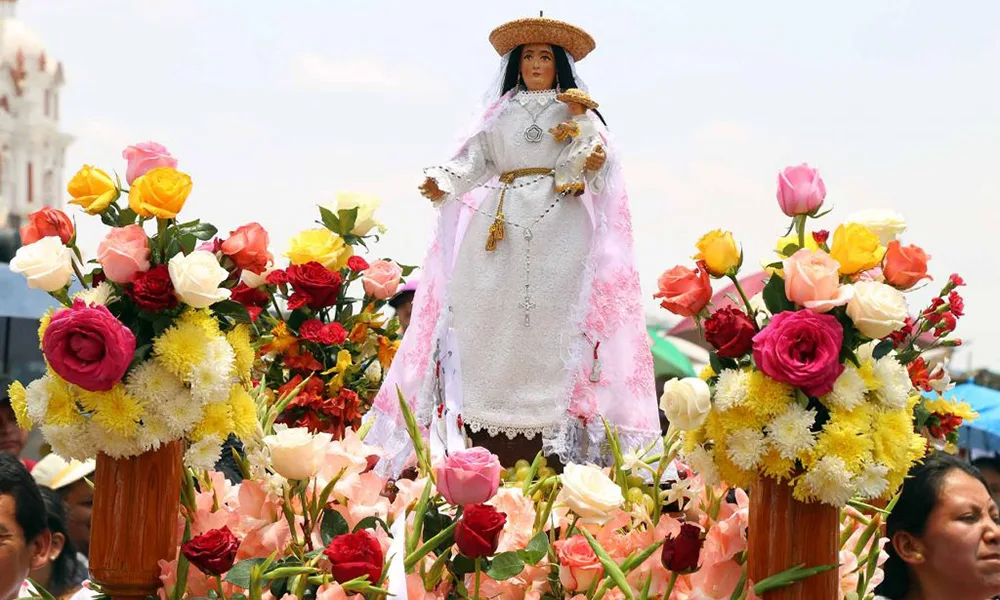
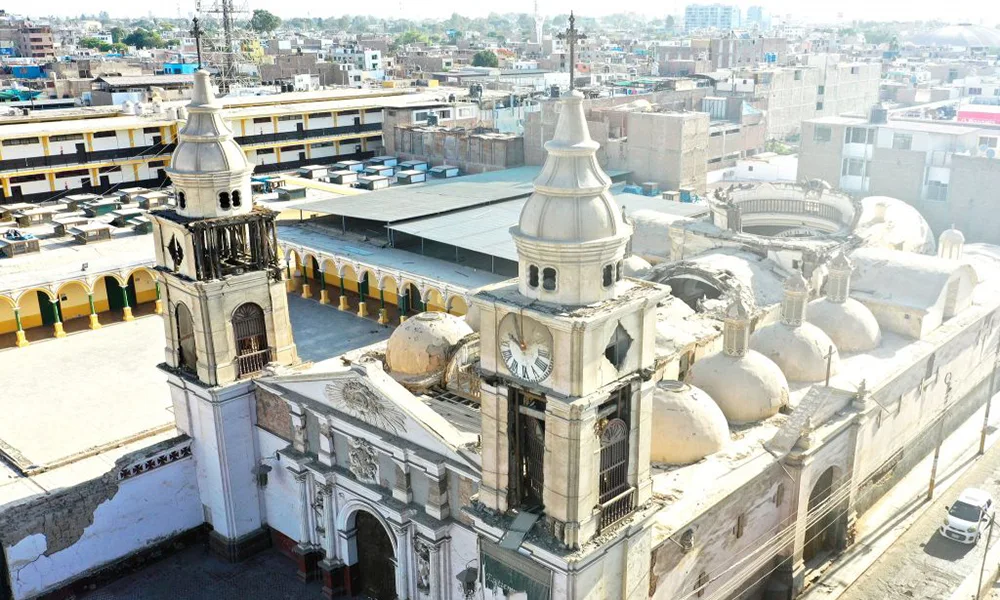
The Cathedral of San Martín de Tours stands out in the main square. Every November, its patron saint festival fills the city with processions, dances, and gastronomy.
Recommended Activities
- Sandboarding and buggy rides.
- Astrotourism under clear skies.
- Birdwatching in lagoons and mangroves.
- Sea lion and penguin watching in Illescas.
- Gastronomic tour in Sechura Bay.
- Desert landscape photography.
- Cultural tours in Catacaos and Piura city.
Suggested Itineraries
Full Day
- Morning: Médano Blanco (sandboarding and buggies).
- Afternoon: Vice mangroves + sunset in the dunes.
- Lunch: ceviche or sudado in the bay.
2 days / 1 night
- Day 1: dunes and bay.
- Night: stargazing in the desert.
- Day 2: Vice mangrove + Sechura city tour.
3 days / 2 nights
- Day 1: Médano Blanco.
- Day 2: Excursion to Illescas.
- Day 3: Seasonal lagoons (during peak season) or Bayóvar.
Reference Prices (2025)
- Medano Blanco Tour (half-day): S/ 120–180.
- Private Buggy: S/ 250–420 (2–4 pax).
- Illescas Excursion: S/ 250–380.
- Vice Mangroves: S/ 40–80.
- Local Guide (half-day): S/ 150–220 per group.
Accommodation:
- Sechura: S/ 70–180 per night.
- Piura: S/ 180–350 (3–4*).
- Seafood: S/ 25–55 per dish.
Recommended Hotels
- Piura City: 3–4* hotels with pools, comfortable for day trips.
- Sechura: hostels and basic accommodations near the dunes and bay.
- Talara/Máncora: recommended if combined with northern beaches.
Local Cuisine
- Grouper or cachema ceviche.
- Scallop in various preparations.
- Fish stew and squid chicharrón.
- Majarisco, seco de chavelo (a type of stew) and malarrabia (a type of stew).
- Drinks: chicha de jora (a type of stew) and algarrobina (a type of cocktail).
Practical Tips
- Bring sunscreen, a hat, sunglasses, and light clothing.
- Water (2–3 liters per person) and snacks.
- Closed shoes for walking on sand.
- Protect your cameras from dust and wind.
- Respect fragile ecosystems and marine closures.
- Travel insurance recommended.
- Mobile coverage is spotty; bring cash.
History and Culture
The Tallanes inhabited the area before the arrival of the Spanish, making their name as fishermen and traders. During the Colonial period, Sechura prospered thanks to the salt and fish trade. In the Republic, Bayóvar became a center for phosphate mining. Devotion to Saint Martin of Tours reflects the cultural syncretism and identity of the Sechura people.
Frequently Asked Questions
Is a 4×4 needed for everything? Only for the deep dunes and Illescas.
When do the lagoons appear? Usually in rainy years (January–March).
Where can I see Humboldt penguins? In the Illescas National Reserve.
Are there basic services? Yes, they are available in Sechura, but limited in more remote areas.
Conclusion
The Sechura Desert in Piura is much more than an arid space: it is history, adventure, and a living culture. Its dunes, bays, mangroves, wildlife, and cuisine offer a complete trip that combines nature, adrenaline, and tradition. A unique destination for those who want to explore Peru’s northern coast in a different way.