Complete History of the Most Powerful Sacred Mountain in Cusco
The Apu Salkantay is one of the most imposing, mysterious, and sacred mountains in the Peruvian Andes. Located in the Cusco region, this gigantic snow-capped mountain stands out not only for its breathtaking natural beauty, but also for its enormous spiritual, historical, and cultural importance within the Andean worldview.
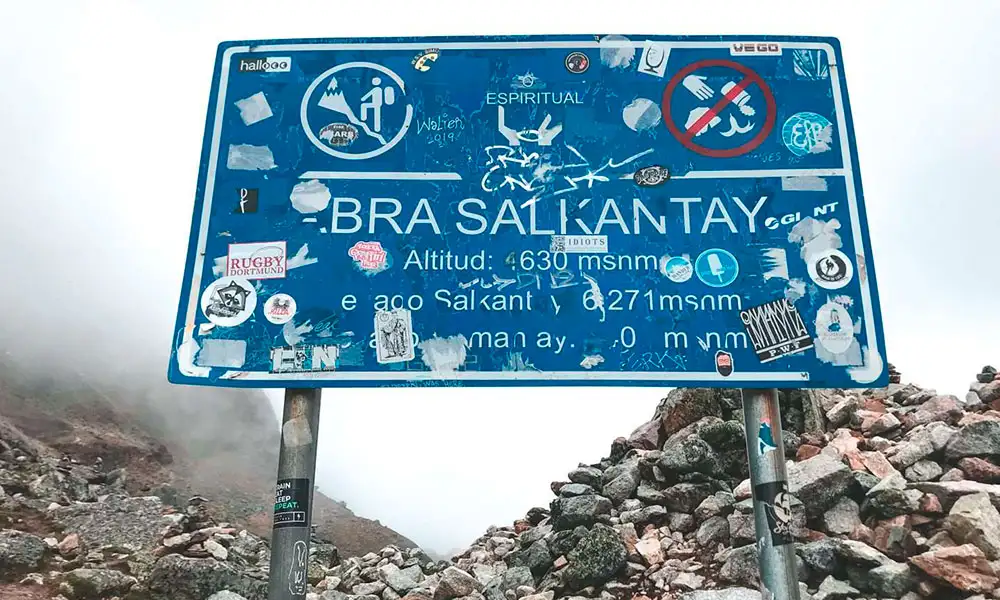
With an approximate altitude of 6,271 meters above sea level, Salkantay rises majestically in the Vilcabamba Mountain Range and dominates much of the mountainous landscape of southern Peru. Its immense presence, eternal glaciers, and the natural energy it radiates have made it one of the most powerful and respected Apus in the Andean world for centuries.
For ancient Andean cultures, mountains were not simply geographical formations. They were sacred beings, protective spirits capable of influencing the climate, crops, water, fertility, and the balance of nature. Within this spiritual vision, Apu Salkantay held a place of enormous importance from pre-Inca times to the present day.
Even today, many communities in Cusco continue performing ancestral ceremonies and offerings in honor of Salkantay, keeping alive a spiritual tradition that has survived for hundreds of years.
In addition to its cultural significance, the Salkantay snow-capped mountain has become one of the most famous tourist and adventure destinations in Peru thanks to the Salkantay Trek route, considered one of the most spectacular hikes to Machu Picchu.
🏔️ What Does the Name Salkantay Mean?
The name Salkantay comes from the Quechua language and is commonly interpreted as:
- “Wild Mountain”
- “Untamable Mountain”
- “Powerful Mountain”
Its meaning perfectly reflects the immensity and natural strength of the mountain.
Since ancient times, Salkantay has been seen as a mountain filled with spiritual energy, capable of protecting people while also commanding respect from those who lived in the Andes.
🌎 What Is an Apu in Andean Culture?
In the Andean worldview, an Apu is a sacred mountain considered the protective spirit of a community or region.
Ancient inhabitants believed that the Apus had power over:
- The climate 🌦️
- Rainfall 🌧️
- Water 💧
- Crops 🌱
- Animals 🦙
- Fertility 🌿
- Spiritual protection ✨
Each important mountain possessed a protective spirit, and Salkantay was considered one of the most powerful in Cusco.
The Apus were honored through ceremonies, rituals, and offerings intended to maintain harmony between people and nature.
🏺 Ancient History of Apu Salkantay
- The spiritual history of Salkantay dates back to times far older than the Inca Empire.
- The pre-Inca cultures that inhabited the Cusco region already considered this snow-capped mountain sacred because of:
- Its enormous size 🏔️
- Its permanent glaciers ❄️
- Its dominant location 🌄
- The storms and natural phenomena of the area 🌩️
The mountain inspired admiration and respect because of its immense presence among the Andes.
Over time, the worship of Salkantay grew stronger, and later the Incas incorporated this mountain into their complex religious system.
👑 Apu Salkantay During the Inca Empire
During the Tahuantinsuyo, the Incas developed a deep spiritual connection with sacred mountains.
Salkantay was considered one of the main protective Apus of Cusco and the surrounding territories.
Priests and local inhabitants performed ceremonies to ask for:
- Good harvests 🌱
- Spiritual protection ✨
- Climate balance 🌦️
- Water for crops 💧
- Prosperity for communities 🌎
Rituals were a fundamental part of Andean life and sought to maintain harmony with nature.
🌿 The Spirituality of Salkantay
Apu Salkantay represents strength, protection, and spiritual connection with nature.
Many Andean communities believe that the snow-capped mountain possesses special energy and the ability to influence:
- The climate 🌦️
- Fertility 🌱
- Natural balance 🌿
- The protection of people ✨
For this reason, even today, local inhabitants maintain deep respect for the mountain.
🌿 Ceremonies and Rituals Honoring Apu Salkantay
Ancestral rituals in honor of Salkantay are still practiced today.
These ceremonies usually include:
- Offerings to Pachamama 🌎
- Traditional offerings 🌿
- Coca leaves 🍃
- Chicha and Andean foods 🍲
- Prayers in Quechua ✨
The main purpose is to give thanks and ask the Apu for protection.
Many spiritual guides and communities believe these practices help maintain balance between humans and nature.
🌄 Apu Salkantay and Pachamama
Within the Andean worldview, Salkantay maintains a close relationship with Pachamama, or Mother Earth.
Together they represent:
- Life 🌱
- Natural energy 🌿
- Spiritual protection ✨
- The balance of the Andean universe 🌎
The connection between mountains, rivers, lagoons, and nature is a fundamental part of ancestral Andean thought.
🚶 The Famous Salkantay Trek
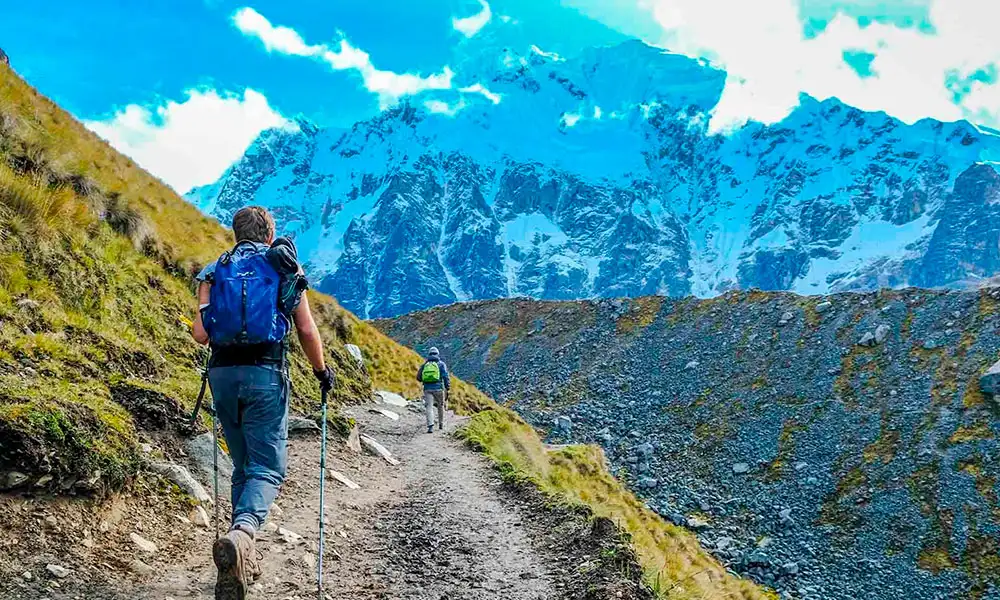
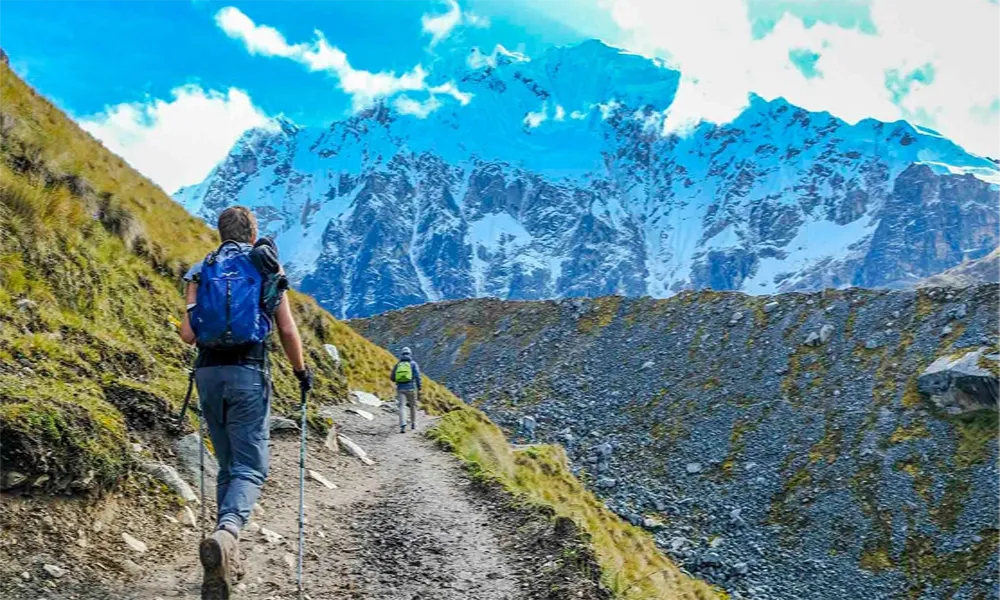
Today, Apu Salkantay is world-famous thanks to the Salkantay Trek, one of the most impressive trekking routes in Peru.
This hike crosses through:
- Giant snow-capped mountains 🏔️
- Turquoise lagoons 💧
- Cloud forests 🌿
- Andean valleys 🌄
- Rural communities 👨🌾
Many travelers consider this route an excellent alternative to the Inca Trail to Machu Picchu.
💧 The Stunning Humantay Lagoon
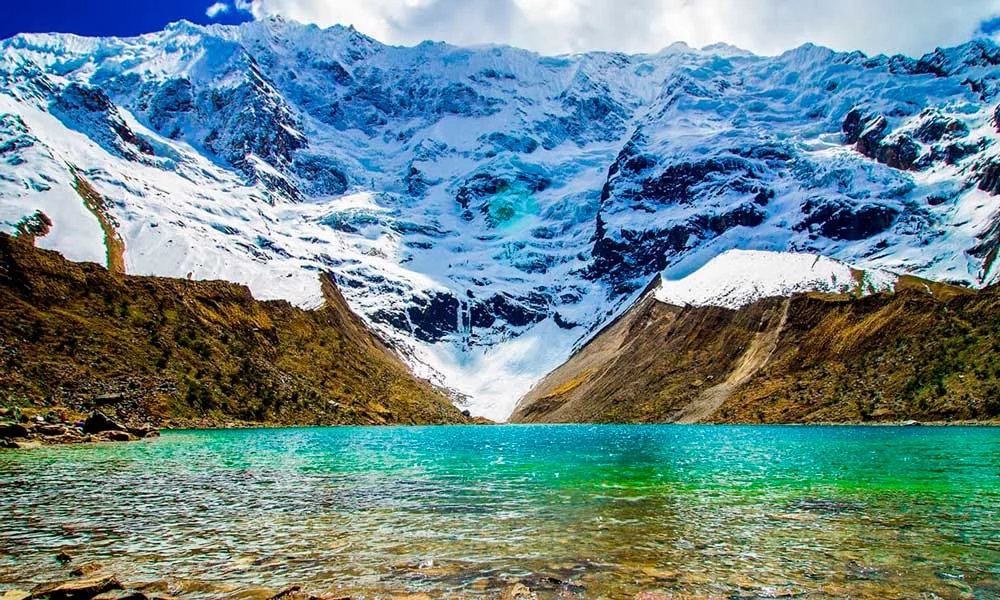
One of the most famous places connected to Apu Salkantay is Humantay Lagoon.
This turquoise-colored lagoon is fed by nearby glaciers and is considered a sacred place by many Andean communities.
The combination of crystal-clear waters and snow-covered mountains creates one of the most breathtaking landscapes in Cusco.
❄️ The Glaciers of Salkantay
For centuries, the glaciers of Salkantay were an important source of water for high Andean communities.
However, climate change has caused a progressive reduction of glacial ice.
This creates concern due to:
- Decreasing water reserves 💧
- Climate changes 🌦️
- Impacts on rural communities 🌿
Currently, there are initiatives focused on environmental conservation in the area.
🌎 Cultural and Tourist Importance
Apu Salkantay represents one of the main cultural and natural symbols of Cusco.
Its importance includes:
- Andean spiritual heritage ✨
- Adventure tourism 🚶
- Cultural tourism 🏺
- Spiritual tourism 🌿
- Environmental conservation 🌎
Thousands of travelers visit the region every year, attracted by its natural beauty and special energy.
📸 Salkantay as a Photography Destination
The snow-capped mountain offers spectacular settings for:
- Landscape photography
- Adventure videos
- Nature photography
- Tourism content
Sunrises and sunsets over the mountain create truly breathtaking images.
🌎 Who Visits Apu Salkantay?
Salkantay attracts:
- Adventurers 🚶
- Mountaineers 🏔️
- Photographers 📸
- Spiritual travelers ✨
- Nature lovers 🌿
- Cultural tourists 🌎
❓ Why Is Apu Salkantay So Special?
Because it represents the perfect union of:
- Ancestral history 🏺
- Andean culture 🌎
- Spirituality ✨
- Impressive nature 🏔️
- Adventure tourism 🚶
It is one of the most important and respected mountains in the Peruvian Andes.
Apu Salkantay is much more than a snow-capped mountain in Cusco. Since ancient times, it has been considered a powerful sacred mountain and a spiritual protector of the Andes. Its millenary history, enormous importance within the Andean worldview, and breathtaking natural landscapes make it one of the most fascinating places in Peru. Today, it continues to symbolize respect, spirituality, and a deep connection with nature, keeping alive an ancestral tradition that remains part of Andean cultural identity.