Height, Tips, and Everything You Need to Know
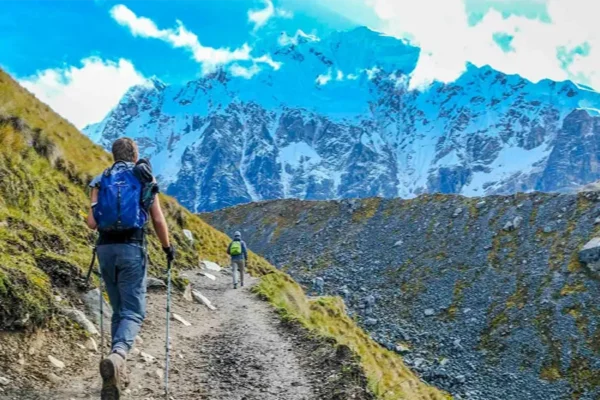
The Abra Salkantay is one of the most impressive and challenging points of the entire trek to Machu Picchu. Its high altitude raises many questions among foreign travelers, especially regarding altitude sickness, weather conditions, and the physical difficulty of the route. However, with proper acclimatization and preparation, crossing this Andean pass becomes an unforgettable experience surrounded by towering snow-capped mountains, breathtaking high-altitude landscapes, and spectacular views that very few places in the world can offer.
For many tourists, the greatest challenge is not only the hike itself, but also adapting correctly to the altitude. The reduced oxygen levels can cause fatigue, shortness of breath, or headaches, especially for travelers arriving directly from sea-level cities. Understanding how altitude affects the Salkantay Trek is essential to enjoy the journey safely and avoid complications during the expedition.
In this complete guide, you will discover everything you need to know about the altitude of Abra Salkantay: its exact location, comparison with routes such as the Inca Trail, how to prevent altitude sickness, temperatures, the best travel season, recommendations for foreign travelers, difficulty level, and practical preparation tips before beginning this incredible adventure to Machu Picchu.
What is Abra Salkantay?
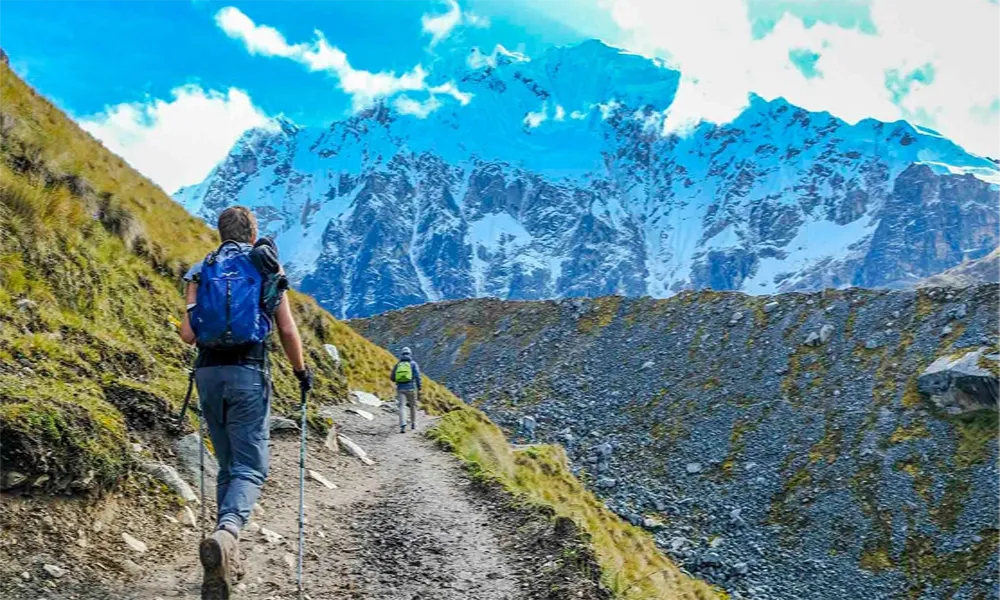
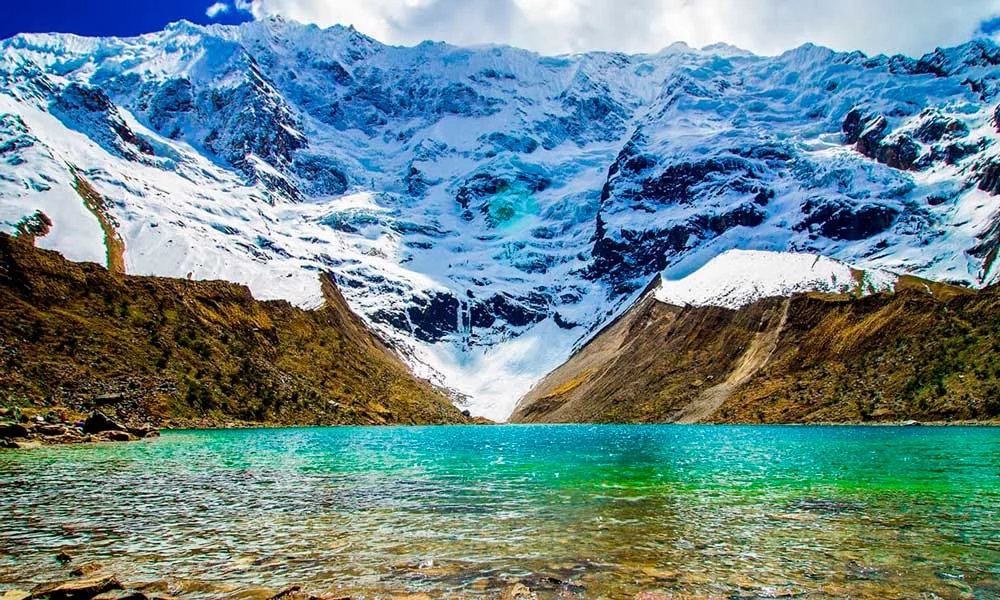
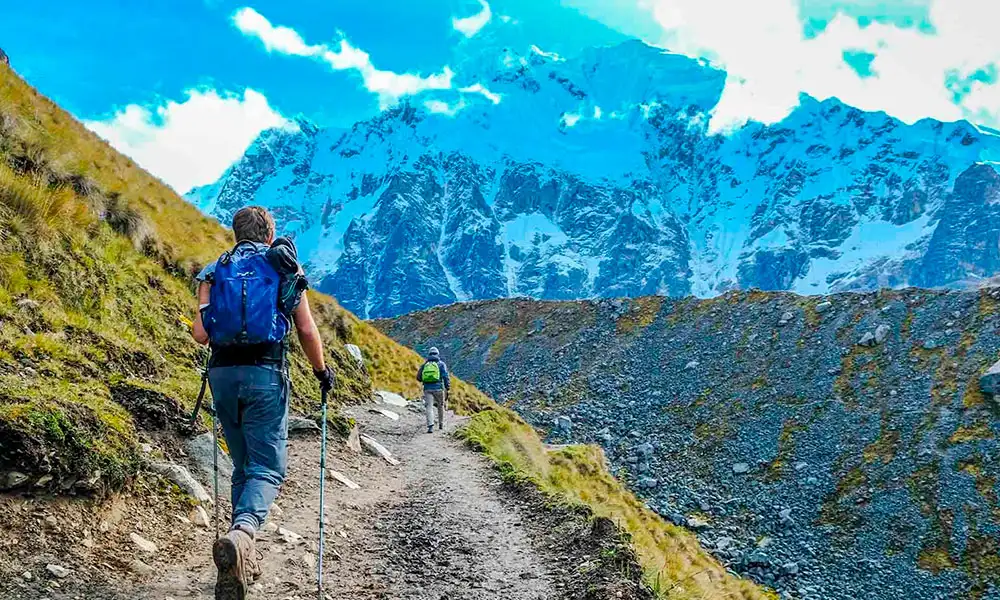
Abra Salkantay is the highest point of the famous Salkantay Trek, one of the most spectacular hiking routes in Peru on the way to Machu Picchu. It is surrounded by snow-covered mountains and dramatic Andean scenery, making it one of the most challenging and memorable moments of the trek.
The pass takes its name from the Apu Salkantay, a sacred mountain considered a spiritual protector in Andean culture.
What is the Altitude of Abra Salkantay?
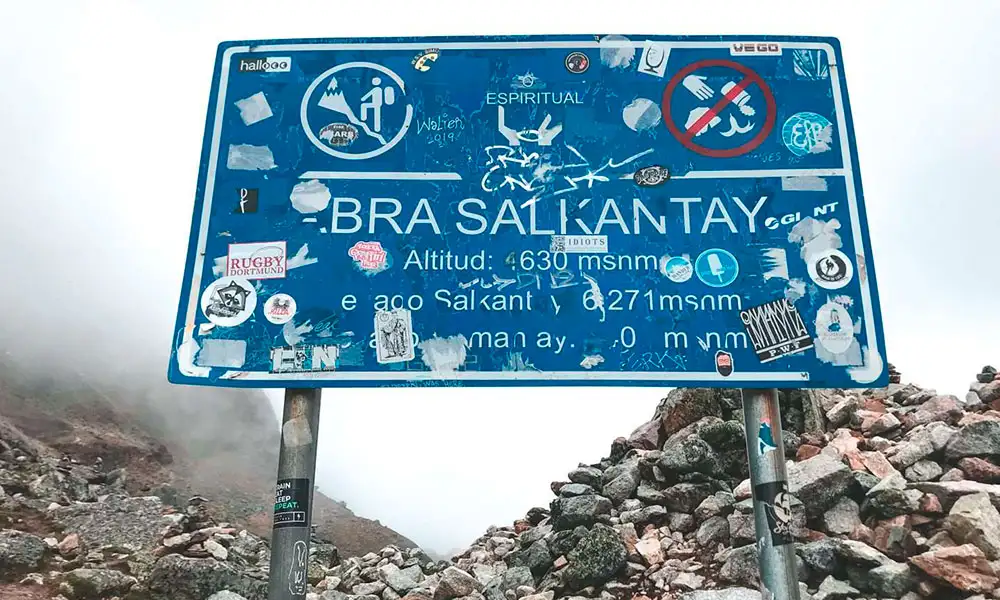
Abra Salkantay reaches approximately:
4,630 meters above sea level (15,190 feet)
This altitude makes it one of the highest points of any trek leading to Machu Picchu.
4630\ {m} = 15190\ {ft}
Many travelers compare this altitude with the Classic Inca Trail, whose highest point is Warmiwañusca, also known as the “Dead Woman’s Pass,” located at 4,215 meters.
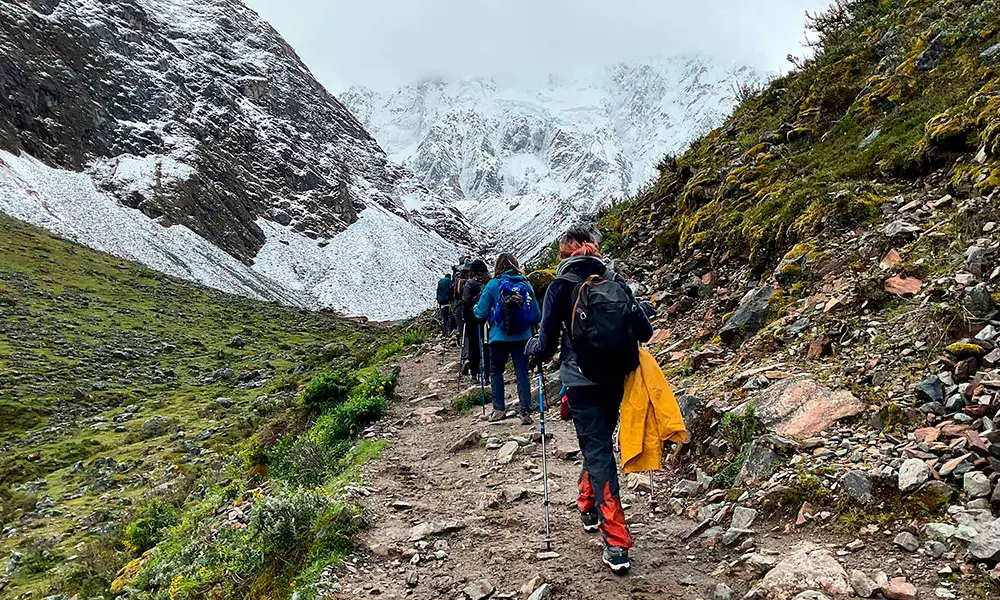
Abra Salkantay vs Inca Trail: Which is Higher?
| Route | Maximum Altitude | Physical Difficulty | Landscapes | Popularity |
|---|---|---|---|---|
|
|
|
|
|
|
|
|
|
|
|
|
|
|
|
Abra Salkantay is higher than the traditional Inca Trail, which means it requires better acclimatization and physical preparation.
How Does the Altitude Affect the Salkantay Trek?
Above 3,500 meters, oxygen levels decrease considerably. Some travelers may experience mild symptoms of altitude sickness such as:
Most Common Symptoms
- Headache
- Fatigue
- Mild nausea
- Dizziness
- Shortness of breath while walking
Most travelers adapt successfully by resting properly and staying well hydrated.
Quick Facts About Abra Salkantay
| Feature | Information |
|
|
|
|
|
|
|
|
|
|
|
|
|
|
|
|
Best Time to Visit Abra Salkantay
Dry Season (April to October)
This is the best time to do the trek because you will find:
- Clear skies
- Better mountain visibility
- Safer trails
- Less rainfall
Rainy Season (November to March)
The landscape becomes greener and more vibrant, but:
- Trails can become muddy
- Heavy rains are more common
- Cold temperatures may feel stronger
Salkantay Trek Costs
Prices vary depending on the type of service and tour operator.
| Tour Type | Approximate Price |
|
|
|
|
|
|
Usually Included
- Transportation
- Professional guide
- Meals
- Camping or accommodation
- Machu Picchu entrance ticket
Usually NOT Included
- Sleeping bag
- Trekking poles
- Travel insurance
- Extra horse support
- Tips
How to Prepare for the Altitude at Abra Salkantay
Prior Acclimatization
Stay at least 2 or 3 days in Cusco before starting the trek.
Eat Light Meals
Avoid heavy food and alcohol before ascending.
Stay Hydrated
Drink enough water throughout the hike.
Walk Slowly
Maintain a steady pace and avoid sudden physical effort.
Pro Tips for Foreign Travelers 🌎
Wear Layered Clothing
Temperatures change rapidly between daytime and nighttime.
Use Coca Leaves or Coca Candies
Many travelers use traditional Andean remedies to help reduce altitude sickness symptoms.
Bring Sunscreen
UV radiation at high altitude is extremely strong, even on cloudy days.
Trekking Poles are Highly Recommended
They provide extra support during both ascent and descent.
Avoid Going Directly from Lima to the Trek
Cusco itself is already at high altitude, so your body needs time to adapt beforehand.
Is Abra Salkantay Worth It?
Absolutely yes. Although the altitude represents a significant physical challenge, the breathtaking views of the Salkantay Mountain and the experience of crossing the Andes make this one of the most spectacular treks in South America.
Many travelers consider Abra Salkantay the most epic point of the entire journey to Machu Picchu.
Frequently Asked Questions
Is Abra Salkantay Dangerous?
It is generally safe if you acclimatize properly and follow your guide’s instructions.
Do I Need Previous Hiking Experience?
Not necessarily, but a moderate physical condition is recommended.
Is There Snow at Abra Salkantay?
Yes, especially during the dry season and colder months.
How Long Does the Ascent Take?
Depending on the group’s pace, the climb usually takes between 3 and 5 hours from the base camp.