The Most Important Archaeological Treasure in Southern Peru
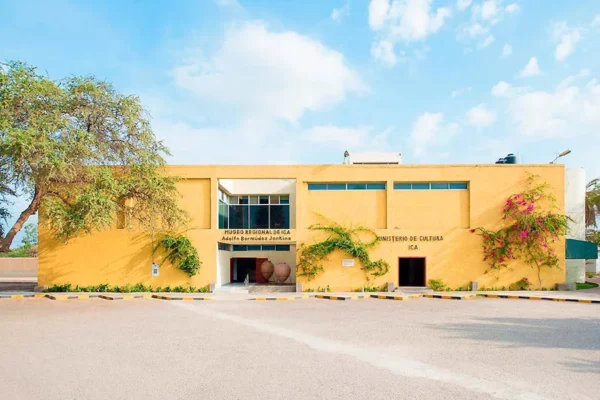
The Regional Museum of Ica is one of the most important archaeological, historical, and cultural centers in Peru. Located in the city of Ica, this iconic museum houses an extraordinary collection of artifacts belonging to ancient civilizations that inhabited southern Peru thousands of years ago. Its exhibition halls allow visitors to discover the cultural richness of ancestral societies such as Paracas, Nazca, Wari, Chincha, and Inca, offering a fascinating journey through the pre-Hispanic history of the Peruvian desert.
Visiting the Regional Museum of Ica is much more than exploring a cultural space; it means traveling back in time and learning how ancient Peruvian cultures lived, worked, worshipped their gods, and developed advanced knowledge. Its collections of textiles, mummies, ceramics, tools, and archaeological remains make the museum one of the most important places for understanding the cultural legacy of southern Peru.
Thousands of local and international tourists visit every year attracted by the museum’s reputation and the opportunity to observe unique artifacts that reflect the extraordinary artistic, religious, and scientific development of pre-Columbian civilizations. Many of these pieces are considered authentic archaeological treasures of Peru and the world.
In addition to its tourism importance, the museum plays a fundamental role in archaeological research and the preservation of Peru’s cultural heritage. Thanks to excavations carried out for decades in different areas of Ica and Nazca, it is now possible to admire valuable evidence revealing the greatness of the ancient desert cultures.
Today, the Regional Museum of Ica is one of the most visited cultural destinations in southern Peru and an essential stop for travelers interested in history, archaeology, and the ancient traditions of Peru.
📍 Where Is the Regional Museum of Ica Located?
The museum is located in the city of Ica, one of the most important tourist regions in southern Peru.
Its strategic location allows visitors to easily combine the museum with nearby attractions such as:
- Plaza de Armas of Ica 🏛️
- Huacachina Oasis 🌴
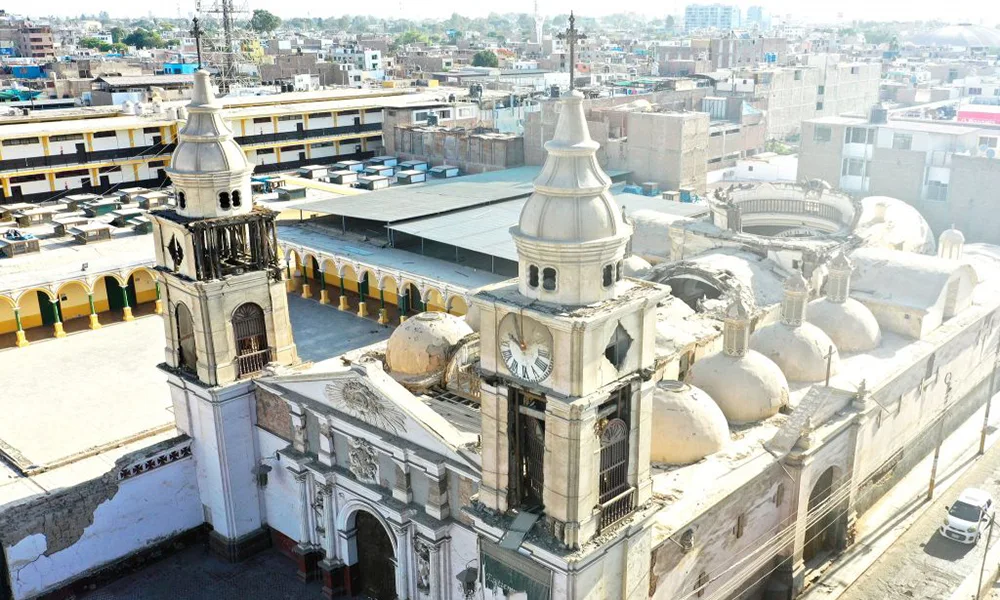
- Sanctuary of Señor de Luren ⛪
- Cachiche 🧙♀️
- Wine and pisco wineries 🍷
The museum can be easily reached by:
- Taxi 🚕
- Tourist tours 🚐
- Private transportation 🚗
- Public transportation 🚌
Because of this accessibility, it is one of the most recommended cultural visits in the region.
🏛️ History of the Regional Museum of Ica
📚 Origin of the Museum
The Regional Museum of Ica was created with the purpose of preserving and protecting the enormous archaeological heritage discovered in the region.
As archaeological investigations advanced in Ica and Nazca, important remains belonging to ancient cultures began to appear. The need to preserve these artifacts led to the creation of a specialized space where they could be studied and exhibited properly.
The museum is named after the Peruvian archaeologist Adolfo Bermúdez Jenkins, who carried out important research on the pre-Hispanic cultures of southern Peru.
🏺 Growth of the Collections
Over the years, the museum greatly expanded its collections thanks to:
- Archaeological excavations
- Scientific research
- Funerary discoveries
- Recovery of historical artifacts
Today, it houses thousands of archaeological objects considered essential for understanding the ancient history of Peru.
🌎 Cultural and Archaeological Importance
The Regional Museum of Ica is considered one of the most important archaeological museums in Peru because of the extraordinary richness of its collections.
The exhibited artifacts provide information about:
- Religion 🙏
- Ancient medicine 🧠
- Pre-Hispanic art 🎨
- Agriculture 🌱
- Architecture 🏛️
- Trade ⚓
- Funerary customs ⚱️
- Social organization 👥
Many pieces are more than 2,000 years old and demonstrate the advanced development achieved by the ancient cultures of the Peruvian desert.
🏺 Cultures Represented in the Museum
🌵 Paracas Culture
The Paracas Culture is one of the most impressive civilizations represented in the museum.
This civilization stood out mainly for:
- Extraordinary textiles 🧵
- Advanced medical practices 🧠
- Complex funerary rituals ⚱️
- Cranial deformations 💀
The archaeological discoveries from Paracas are considered among the most important on the continent.
🧵 The Famous Paracas Mantles
Paracas textiles are world-renowned for:
- Their extraordinary artistic quality 🎨
- Vibrant and complex colors 🌈
- Symbolic designs ✨
- Advanced weaving techniques 🧵
Many specialists consider these mantles among the finest textile works of the ancient world.
Each textile could take years to create and held great ceremonial and religious significance.
💀 Cranial Deformations
One of the most surprising aspects of the Paracas Culture was the practice of cranial deformation for social and ceremonial purposes.
At the museum, visitors can observe elongated skulls obtained through techniques applied since childhood.
These practices represented:
- Social status 👑
- Cultural identity 🌎
- Religious beliefs 🙏
The Paracas skulls are one of the museum’s most striking collections.
🧠 Cranial Trepanations
The Paracas Culture also amazed the world with its advanced medical knowledge.
The museum displays skulls showing evidence of cranial trepanation, surgical procedures performed thousands of years ago.
These operations involved perforations in the skull, possibly carried out to:
- Treat injuries
- Relieve pain
- Perform medical rituals
Surprisingly, many patients survived, demonstrating a high level of medical knowledge.
🎨 Nazca Culture
The Nazca Culture is another of the museum’s main highlights.
Worldwide famous for the Nazca Lines, this civilization also stood out for its impressive ceramic art and hydraulic knowledge.
🏺 Nazca Pottery
Nazca ceramics are famous for:
- Intense colors 🌈
- Complex designs 🎨
- Mythological representations 👁️
- Ceremonial scenes 🙏
Many pieces depict:
- Birds 🦅
- Fish 🐟
- Felines 🐆
- Supernatural beings 👁️
- Human figures 👥
These representations reflect the Nazca worldview and spirituality.
🌱 Nazca Hydraulic Technology
The Nazca Culture developed advanced hydraulic systems to survive in the desert.
The museum explains how they used:
- Underground aqueducts
- Irrigation canals
- Advanced agricultural techniques
Thanks to these innovations, they were able to develop agriculture in extremely arid areas.
🏛️ Wari Culture
The Wari Culture was one of the first expansionist civilizations of ancient Peru.
The museum exhibits artifacts related to:
- Political organization
- Ceremonial art
- Decorative ceramics
- Cultural influence in the region
⚓ Chincha Culture
The Chincha Culture stood out for its great commercial and maritime development.
Among the displayed artifacts are:
- Fishing tools 🐟
- Trade objects ⚓
- Decorative ceramics 🏺
The Chincha people were considered some of the greatest merchants of the Peruvian coast.
👑 Inca Culture
The museum also preserves objects from the Inca and colonial periods.
These pieces show the expansion of the Inca Empire in southern Peru and the later Spanish influence.
⚱️ Mummies and Funerary Bundles
One of the museum’s most impressive areas is the collection of mummies and funerary bundles.
Ancient cultures developed complex rituals related to death and the afterlife.
🧵 What Are Funerary Bundles?
Funerary bundles were wrappings made with multiple layers of textiles in which bodies were placed together with:
- Ceremonial offerings
- Personal belongings
- Ceramics
- Food
These rituals reflected deep spiritual beliefs.
Thanks to the dry desert climate, many remains have been preserved in excellent condition.
🏺 Art and Symbolism in Ancient Cultures
The museum’s archaeological pieces help visitors understand how ancient cultures expressed:
- Religion 🙏
- Power 👑
- Nature 🌱
- Myths and legends 👁️
- Daily life 👥
Many objects held great ceremonial and spiritual significance.
📚 Educational and Cultural Experience
The museum is an excellent option for:
- Students 📚
- Researchers 🧠
- History lovers 🏺
- Cultural tourists 🌎
The visit allows travelers to learn about thousands of years of Peruvian history in a visual and interactive way.
📸 Photography and Cultural Tourism
Many visitors enjoy taking photographs related to:
- Archaeological artifacts
- Historical halls
- Ancient objects
- Pre-Hispanic art
The museum is one of the main cultural tourism centers in Ica.
🚐 Tours to the Regional Museum of Ica
Many city tours include a visit to the museum together with:
- Plaza de Armas
- Huacachina
- Wine and pisco wineries
- Cachiche
- Sanctuary of Luren
This combination allows visitors to discover both the historical and modern attractions of the region.
⏰ Recommendations for Your Visit
✅ Useful Tips
- Bring a camera 📸
- Explore the halls calmly 🏛️
- Read the historical explanations 📚
- Hire a tour guide 👨🏫
- Wear comfortable clothing 👕
- Respect museum rules 🙌
🌟 Why Visit the Regional Museum of Ica?
Because it is one of the best places in Peru to discover the extraordinary legacy of the ancient cultures of the Peruvian desert.
The museum allows visitors to admire unique artifacts that reveal the intelligence, creativity, and cultural development achieved by civilizations that flourished thousands of years ago.
It is an ideal experience for travelers seeking:
- History 🏺
- Culture 🎨
- Archaeology 🌎
- Education 📚
- Cultural tourism 🏛️
🌅 Conclusion
The Regional Museum of Ica is one of Peru’s most important cultural treasures and an essential place for understanding the history of southern Peru. Its impressive collections of textiles, mummies, ceramics, and ancient artifacts reveal the extraordinary development of cultures such as Paracas and Nazca, civilizations that left an unforgettable mark on the country’s history.
Visiting this museum means taking a fascinating journey into the past and connecting with the immense archaeological and cultural legacy of ancient Peru.