Artisan workshops in Ica represent an essential part of the region’s cultural tourism. In addition to showcasing traditional products, they allow visitors to discover the living history of Ica’s families, their traditions, and the evolution of artisanal techniques passed down through generations.
These spaces combine pre-Hispanic heritage, colonial influence, and modern creativity, creating authentic and enriching experiences for visitors.
🍫 1. Tejas and Chocotejas Workshop in Ica (Sweet Heritage of the Region)
Traditional Ica tejas originated among ancient farming families in Ica, who prepared homemade sweets made with dulce de leche and nuts as a way to preserve food. Over time, this dessert became one of the most representative gastronomic symbols of the region.
Later, the chocoteja emerged as a modern variation covered in chocolate, gaining popularity throughout Peru and internationally.
Today, it is considered one of Ica’s most iconic gastronomic products alongside the famous Peruvian pisco.
🏛️ Workshop Development
During the visit, tourists learn the complete artisan production process:
- Preparation of slowly cooked handmade dulce de leche.
- Mixing with pecans, coconut, and candied fruits.
- Manual shaping of each piece.
- Traditional sealing of the dough.
- Final coating with powdered sugar or melted chocolate.
- Artisan decoration according to each flavor.
🍓 Traditional Ingredients
- Fresh evaporated milk.
- Natural sugar.
- Pecans 🌰
- Grated coconut 🥥
- Lucuma.
- Peruvian cacao chocolate 🍫
✋ Tourist Experience
- Participation in making chocotejas.
- Tasting of traditional flavors.
- Explanation about the pioneering artisan families.
- Demonstration of techniques passed down through generations.
📸 Without a doubt, it is one of the most interactive and photogenic workshops in the Ica city tour.
🏺 2. Nasca and Paracas Pottery Workshop (Pre-Inca Heritage of the Desert)
This workshop is inspired by two of the most important cultures of ancient Peru: Nasca and Paracas.
The Paracas culture (700 BC – 200 AD) stood out for its extraordinary textiles and funerary ceramics, while the Nasca culture (200 AD – 700 AD) became world famous for its geoglyphs and polychrome pottery.
Today, artisans strive to keep this ancestral tradition alive through techniques inspired by the original methods of ancient Peru.
🏺 Workshop Development
The artisan process includes:
- Extraction and preparation of natural clay.
- Hand modeling without industrial molds.
- Natural drying under the desert sun.
- Painting with Nasca and Paracas iconography.
- Firing in traditional clay or stone ovens.
🎨 Artistic Features
- Figures of hummingbirds, monkeys, and snakes.
- Complex geometric designs.
- Use of earth tones, black, red, and white.
- Pieces with symbolic and religious meanings.
🧑🏫 Tourist Experience
- Live observation of artisan work.
- Cultural explanation of ancestral designs.
- Participation in basic painting or modeling.
- Purchase of authentic handmade pottery.
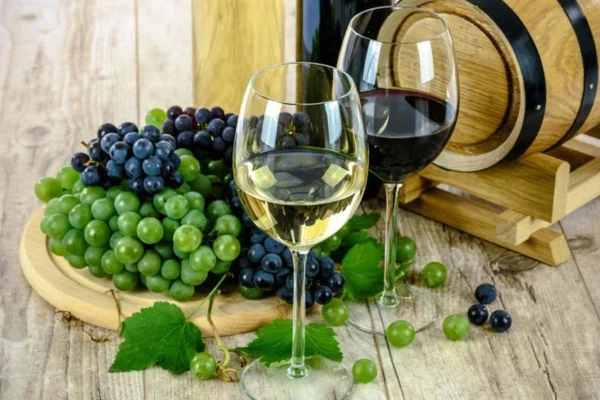
🍷 3. Artisan Pisco and Wine Workshops (Wine-Making Tradition of Ica)
Ica is recognized as the birthplace of Peruvian pisco. Its wine-making tradition dates back to the 16th century when the Spanish introduced grapevines to the region.
Over time, local families developed their own techniques, giving rise to pisco, Peru’s emblematic spirit and national pride.
🍇 Workshop Development
The artisan pisco-making process includes:
- Cultivation of grapes in the vineyards of the Ica Valley.
- Manual grape harvesting during the harvest season.
- Natural fermentation of grape must.
- Distillation in traditional copper stills.
- Resting and artisan bottling.
🍷 Varieties Presented
- Quebranta Pisco.
- Acholado Pisco.
- Italia Pisco.
- Sweet and dry wines.
🌿 Tourist Experience
- Tour of historic vineyards.
- Visit to traditional family-owned wineries.
- Guided tasting of piscos and wines.
- Explanation of the origin of Peruvian pisco.
📌 Many wineries belong to families with more than 100 years of wine-making tradition.
🧺 4. Local Artisan Fairs and Craft Centers (Cultural Identity of Ica)
Artisan fairs emerged as exchange spaces between rural and urban communities. Thanks to the growth of tourism, they have become essential places for sharing Ica’s cultural identity with the world.
🛍️ Featured Artisan Products
Visitors can find:
- Pottery inspired by Nasca and Paracas cultures.
- Handwoven textiles made on traditional looms.
- Miniatures of Huacachina and the desert.
- Decorative figures made of wood and clay.
- Personalized tourist souvenirs.
👩🎨 Characteristics of Artisan Work
- 100% handmade production.
- Use of natural regional materials.
- Designs inspired by local history.
- Techniques inherited through generations.
🎯 Tourist Experience
- Direct purchase from artisans.
- Cultural interaction with local producers.
- Explanation of the creative process.
- Acquisition of authentic and unique souvenirs.
🌟 Importance of Artisan Workshops in Ica
Artisan workshops play a fundamental role in the cultural and tourism development of the region because they:
- 🧠 Preserve the history and traditions of Ica.
- 🤝 Generate economic opportunities for local families.
- 🎭 Promote experiential and educational tourism.
- 📸 Offer authentic and interactive experiences.
- 🌎 Strengthen Ica’s cultural identity as a complete tourist destination.
Conclusion
Visiting artisan workshops in Ica allows travelers to discover much more than traditional products — it is an opportunity to connect with the history, creativity, and living traditions of the Peruvian desert.