🏞️ Tourist Attractions in Ancash: Complete Guide to the Highlands and Coast of Northern Peru
Majestic mountains, ancient culture, glacial lagoons, and hidden beaches
The Ancash region, located north of Lima, is one of Peru’s most impressive and diverse tourist destinations. Its territory stretches from the Pacific coast to the highest peaks of the Cordillera Blanca, the highest tropical mountain range in the world. This geographical variety allows it to offer a unique combination of experiences: from high-altitude adventures and ancient archaeological routes to tranquil beaches and ancient villages.
Ancash is also a land of contrasts: snow and sun, sacred stones and hot springs, Quechua villages and vibrant culture. In this guide, you’ll learn about Ancash’s main tourist attractions, organized by area, interest, and access level, to make your trip as complete and enriching as possible.
🏙️ Huaraz: The capital of Peruvian mountaineering
Ideal starting point for exploring the Cordillera Blanca and the Callejón de Huaylas
Huaraz, the capital of the Ancash region, is located at 3,052 m above sea level and is considered the “Peruvian Switzerland” due to its proximity to the snow-capped mountains. It is the tourist, logistical, and cultural center of the Ancash mountains. Here you will find everything from rustic lodgings to mountain hotels, trekking agencies, regional cuisine, and artisan markets.
Must-sees in Huaraz:
- Ancash Archaeological Museum: with rooms dedicated to the Recuay culture and open-air monolithic sculptures.
- Monterrey Hot Springs: mineral water baths with relaxing properties.
- Rataquenua Viewpoint: panoramic views of the entire city.
- Plaza de Armas and Cathedral: architecture reconstructed after the 1970 earthquake.
🏔️ Cordillera Blanca and Huascarán National Park
Natural World Heritage Site and Andean Biodiversity Sanctuary
Huascarán National Park, created in 1975, protects more than 340,000 hectares of puna and high mountain ecosystems. It encompasses glaciers, ravines, turquoise lagoons, and unique flora and fauna. Huascarán, at 6,768 m above sea level, is the highest peak in the country.
Main routes and attractions:
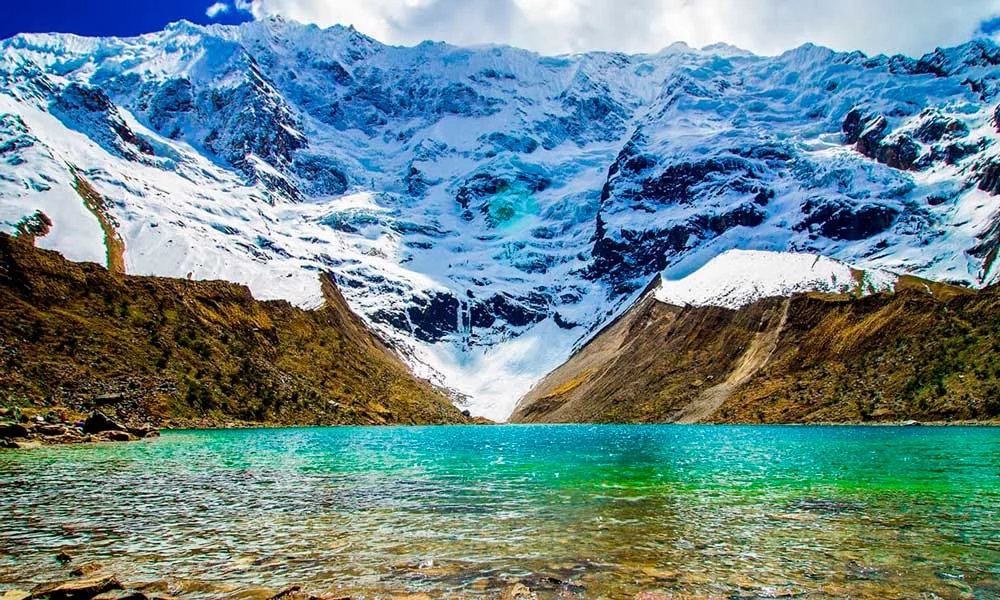
- Lake 69: at 4,600 m above sea level, an intense turquoise color. Access from Cebollapampa (3-4 hour hike).
- Llanganuco Lagoons: Chinancocha and Orconcocha, framed by the Huascarán and Huandoy snow-capped mountains.
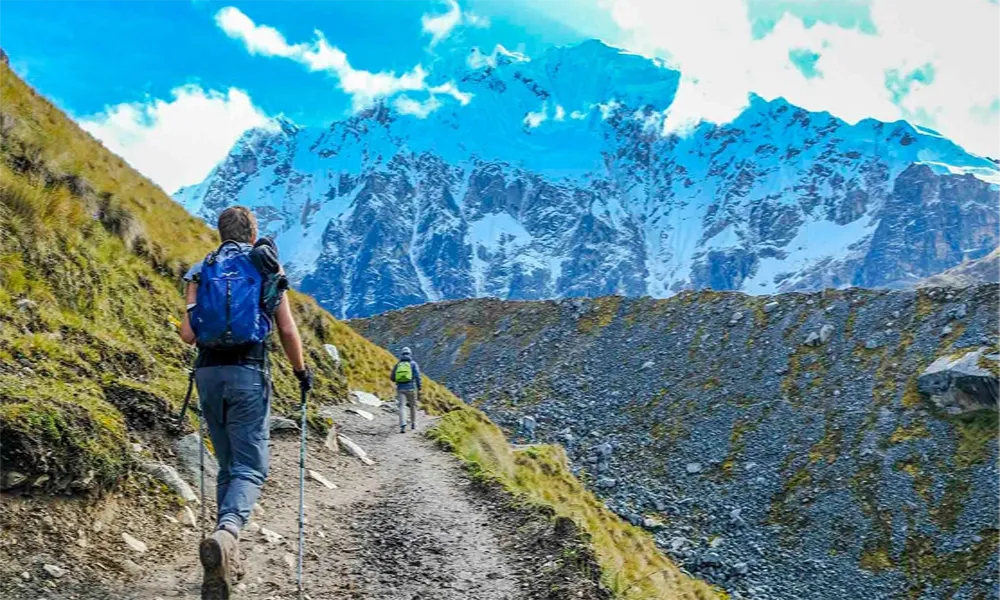
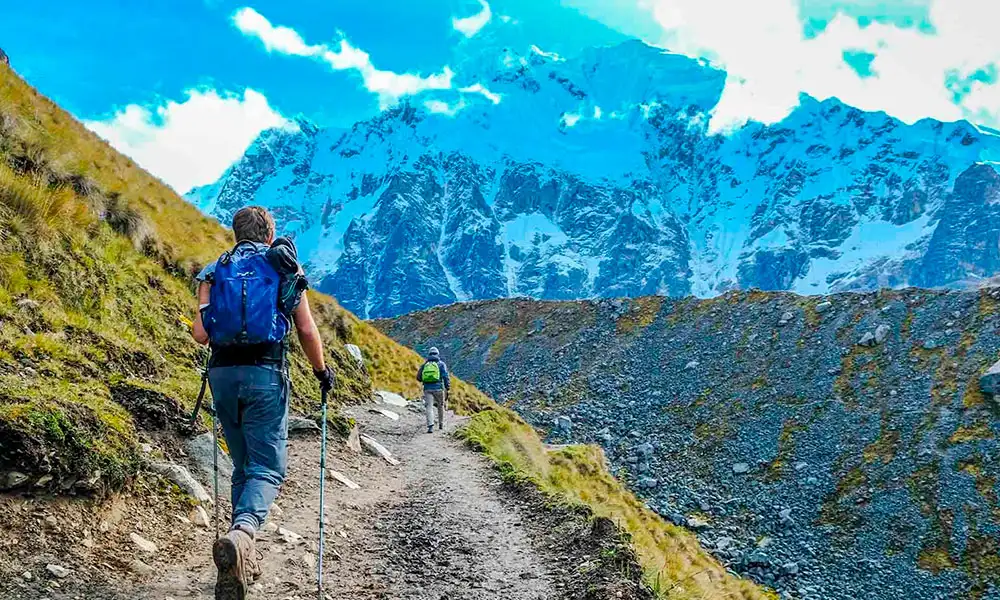
- Santa Cruz Gorge: one of Peru’s most famous treks (4 days).
- Alpamayo Snow-capped Mountain: considered the most beautiful in the world.
- Pastoruri: easily accessible glacier, now a symbol of climate change.
- Puya Raimondi Forest: with giant plants that bloom only once a century.
🏞️ Callejón de Huaylas
Valley between mountains, living tradition, and natural beauty
The Callejón de Huaylas is a vast longitudinal valley between the Blanca and Negra mountain ranges, crossed by the Santa River. Its fertile lands are home to villages that still preserve their identity, cuisine, and traditional architecture.
Tourist towns in the Callejón de Huaylas:
- Carhuaz: famous for its artisanal ice cream and colonial church.
- Yungay: martyred city of the 1970 earthquake; a must-see is the Campo Santo and the new city.
- Caraz: known for its manjar blanco (white delicacy), cheeses, and quiet streets.
- Recuay: with pre-Hispanic remains and routes to little-explored lagoons.
- Marcará and Mancos: ideal for experiential tourism, weaving workshops, and hiking.
🧱 Chavín de Huántar
Pre-Inca culture in eastern Áncash
Chavín de Huántar is one of Peru’s main archaeological sites. It was the religious and political capital of the Chavín culture (1200-200 BC). The complex includes temples, underground galleries, ceremonial stairways, the Monolithic Lanzón, and sculptures such as the nailed heads.
Highlights:
- Chavín National Museum: modern exhibition of original pieces.
- Chavín Village: rustic accommodation, local guides, and cultural tourism.
- Access: via road from Huaraz (4-5 hours) through the Cahuish tunnel.
🏖️ Ancash Coast: Hidden Beaches and Archaeological Sites
Ancash isn’t just a mountain range; it also has a coastline with little-explored beaches, ideal for relaxation, surfing, fishing, and ecotourism.
1. Tuquillo Beach (Huarmey)
One of the cleanest and most beautiful beaches in the north of the country. Ideal for families, swimmers, and lovers of calm seas.
2. Las Gaviotas Beach (Casma)
A pristine beach with trail access. Good spot for camping and artisanal fishing.
3. Antivito Beach and La Pocita
Natural beaches near Tuquillo, with few people and scenic landscapes.
🏺 Coastal Archaeological Sites
1. Sechín (Casma)
One of the oldest archaeological sites in the Americas, with reliefs of human figures and blood rituals. Casma-Sechín Culture (2000 BC).
2. Mojeque and Las Haldas
Remains of coastal pre-ceramic civilizations, still under study. An ideal area for specialized archaeological tourism.
🗻 Cañón del Pato
Scenic route between mountain ranges
This canyon connects the Callejón de Huaylas with the coast, between Caraz and Huallanca. It is characterized by its extreme narrowness between mountains and its 35 tunnels excavated in the rock.
- Route for cyclists, photographers, and adventure travelers
- Mining and hydroelectric history
- Spectacular views of the Santa River and the junction of the mountain ranges
🚶 Must-see activities in Ancash
- Trekking: Santa Cruz, Laguna 69, Olleros – Chavín
- Climbing: Alpamayo, Huascarán, Tocllaraju
- Experiential tourism: weaving workshops, organic farming, rural lodging
- Andean cuisine: pachamanca, spicy guinea pig, trout, Carhuaz ice cream
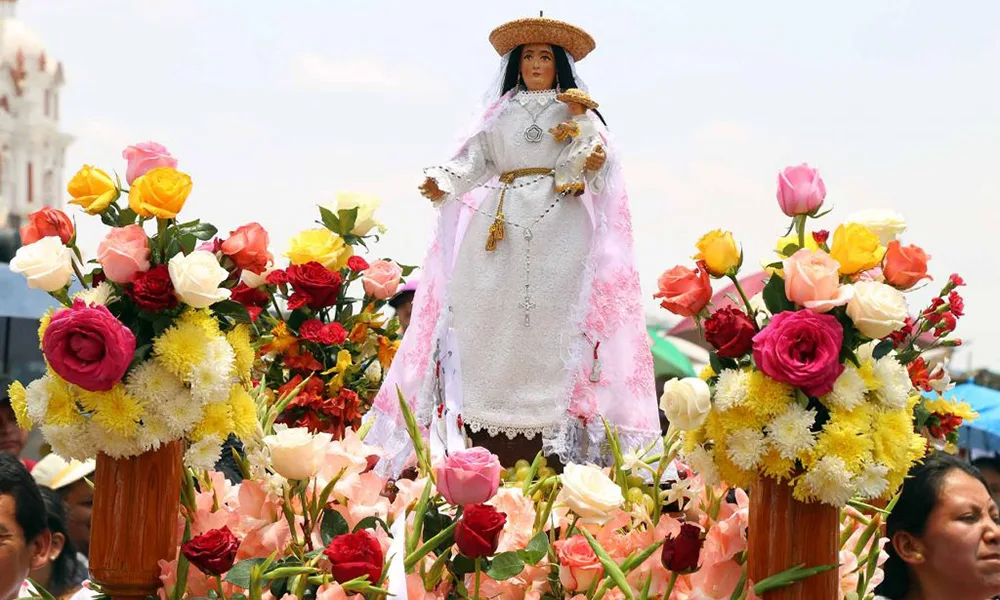
- Living culture: patron saint festivities, carnivals, Andean dances
📌 Practical recommendations
- Best time to travel: April to October (dry season)
- Altitude: Many destinations exceed 3,000 meters above sea level; prior acclimatization is recommended.
- How to get there:
- Land from Lima to Huaraz (approximately 8 hours)
- Flights vary depending on the season. Anta (Comandante FAP Germán Arias Graziani Airport)
- Accommodation: From mountain lodges to rural hostels
- Health and Safety: Bring a coat, sunscreen, water, altitude sickness pills, and avoid excessive exertion for the first few days.
❓ Frequently Asked Questions
Which tourist attractions in Ancash should I not miss?
Laguna 69, Chavín de Huántar, Huascarán National Park, Llanganuco Lagoon, Pastoruri, and Tuquillo Beach are essential for a complete itinerary.
Can I visit Ancash without an organized tour?
Yes, although for trekking and mountain routes, certified guides and travel insurance are recommended.
How many days do I need to explore Ancash?
The ideal trip is at least 7 days to combine nature, archaeology, and the coast. If you want to trek for several days, add more time.
Is there internet service in rural areas?
In cities like Huaraz, Caraz, and Casma, yes. On mountain routes or in remote villages, the signal is limited.