Responsible Tourism on the Salkantay Trek
How to Protect the Andes While Hiking to Machu Picchu 🏔️
The Salkantay Trek is one of the most breathtaking routes in Peru — but it crosses fragile ecosystems and rural communities that depend directly on environmental balance.
Its growing popularity has brought economic benefits, but also environmental and social challenges. Practicing responsible tourism here isn’t just admirable — it’s essential.
Here’s a complete guide to trekking Salkantay in a more sustainable and conscious way.
🌎 1️⃣ Why the Salkantay Ecosystem Is Fragile
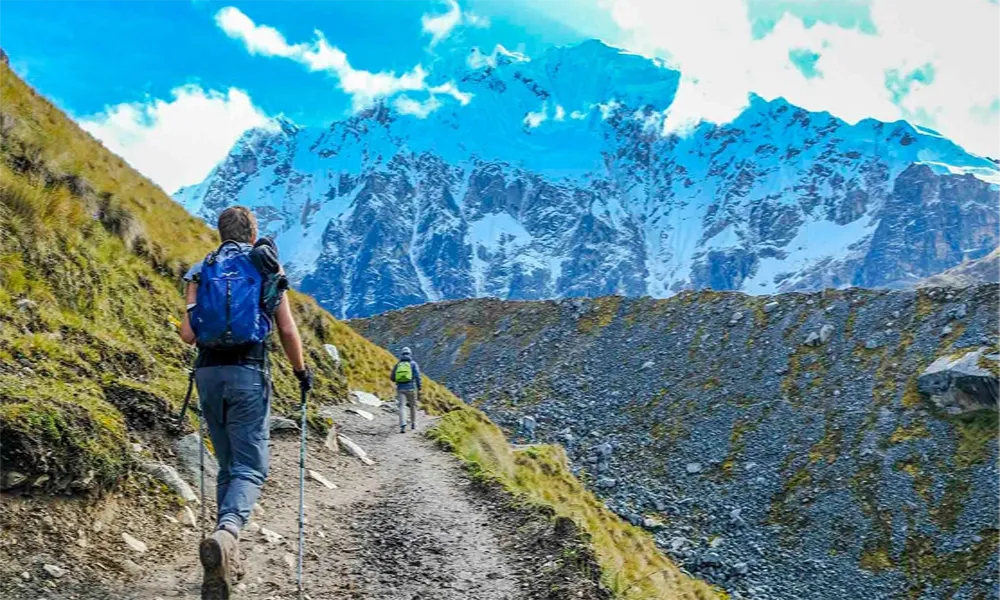
The route crosses multiple ecological zones:
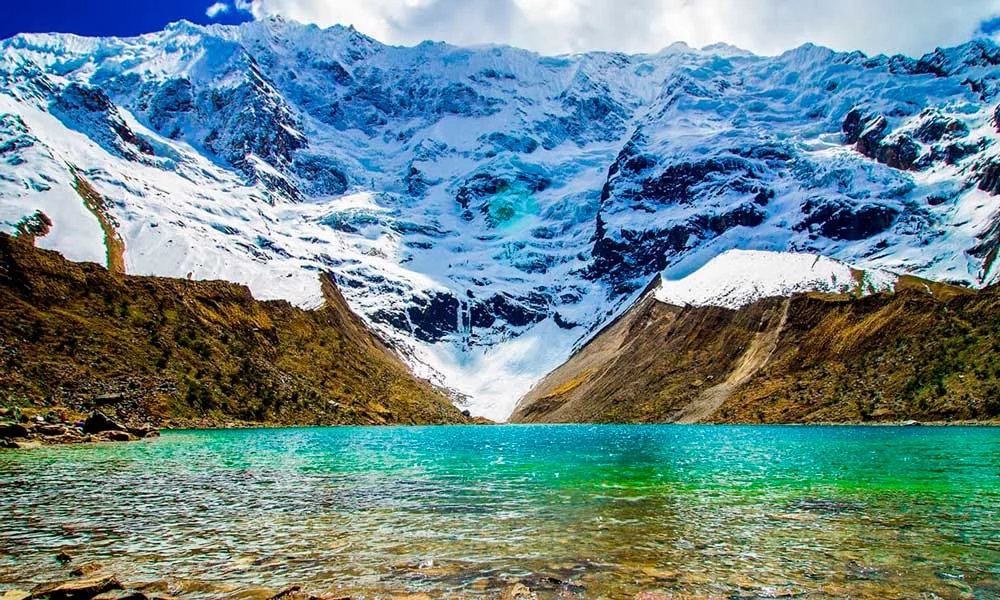
- High-altitude glacier terrain
- Andean grasslands
- Rural agricultural areas
- Cloud forest
- Humid microclimates
These ecosystems:
- Regenerate slowly
- Are highly erosion-sensitive
- Have limited water resources
- Support unique flora and fauna
Uncontrolled foot traffic can cause:
- Soil compaction
- Water contamination
- Vegetation damage
- Wildlife disturbance
- Waste accumulation
🚯 2️⃣ Waste Management: Beyond “Don’t Litter”
The core principle:
Everything you bring in, bring out.
But sustainable travel goes further.
✔ Reduce From the Start
- Avoid multi-layer snack packaging
- Use reusable food containers
- Bring a refillable water bottle
- Carry your own utensils
✔ During the Trek
- Store wrappers in a sealed bag
- Do not leave organic waste (fruit peels alter ecosystems)
- Do not bury trash
- Do not burn waste
Even “biodegradable” waste decomposes very slowly at altitude.
💧 3️⃣ Water Protection
Mountain water is:
- Limited
- Shared with local communities
- Easily contaminated
Best practices:
- Do not wash dishes directly in streams
- Do not use soap in natural water sources
- Purify water before drinking
- Avoid wasting water in lodges
Respect for water is central to responsible trekking.
🐎 4️⃣ Animal Welfare & Muleteers
Mules are essential on Salkantay.
Responsible trekking means:
- Avoid overpacking unnecessary weight
- Choose operators that respect weight limits
- Don’t interfere with muleteers’ work
- Avoid invasive animal photography
- Never feed wildlife
Animal welfare is part of true sustainability.
👨👩👧 5️⃣ Economic Impact & Fairness
Tourism can:
- Generate rural employment
- Strengthen local economies
- Promote community development
But poorly managed tourism can increase inequality.
When choosing an agency, look for:
- Fair wages for guides and muleteers
- Safe working conditions
- Transparency
- Environmental commitment
- Collaboration with local communities
Supporting responsible operators creates long-term positive impact.
🏘️ 6️⃣ Cultural Respect in Rural Communities
The trail crosses inhabited land.
Responsible behavior includes:
- Ask before photographing people
- Respect private property
- Don’t enter farmland without permission
- Buy local products fairly
- Maintain respectful attitudes
This is not just scenery — it’s someone’s home.
🌱 7️⃣ Trail Erosion Prevention
One of the most visible impacts is erosion.
To minimize damage:
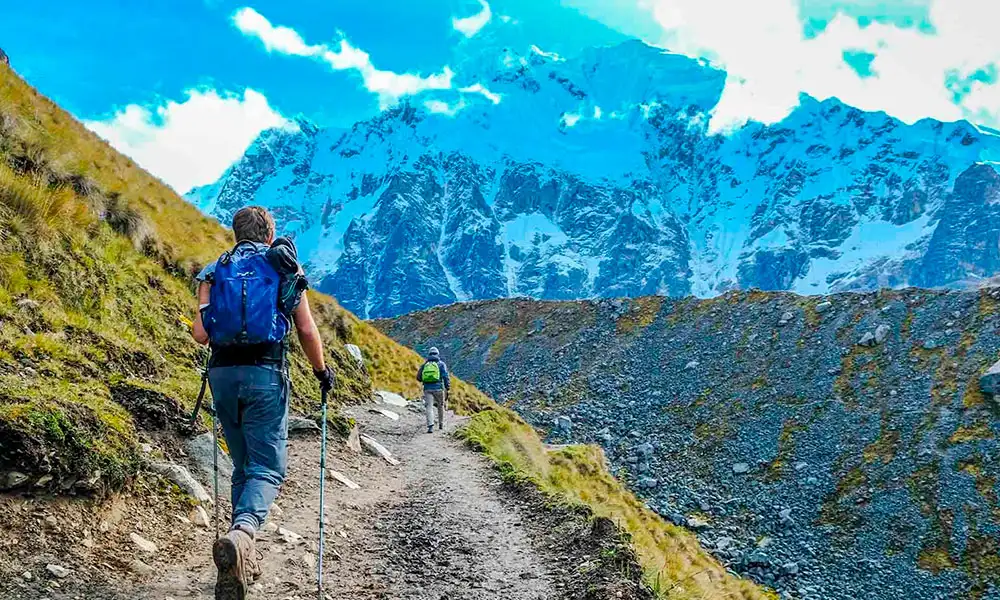
- Stay on marked trails
- Avoid shortcuts
- Don’t widen paths
- Walk single file in narrow areas
- Avoid stepping into fragile vegetation
Repeated small detours multiply environmental impact.
🔥 8️⃣ Responsible Energy Use
In camps and lodges:
- Electricity may come from generators or solar panels
- Resources are limited
Recommendations:
- Don’t waste electricity
- Charge devices responsibly
- Turn off lights
- Minimize hot water use
Sustainability includes conscious consumption.
🌍 9️⃣ Carbon Footprint Awareness
Your trip may include:
- Ground transport
- Tourist train
- International flights
While you can’t eliminate emissions entirely, you can:
- Reduce unnecessary consumption
- Choose operators with sustainability policies
- Stay longer to increase the value of the journey
- Practice low-impact behavior throughout
🧭 🔟 Leave No Trace Principles Applied to Salkantay
- Plan ahead
- Travel on durable surfaces
- Dispose of waste properly
- Minimize campfire impact
- Respect wildlife
- Be considerate of others
These universal principles apply perfectly here.
📊 Individual vs Collective Impact
One traveler may seem insignificant.
But thousands of trekkers:
- Multiply waste
- Accelerate erosion
- Increase water demand
- Alter community dynamics
Sustainability depends on cumulative behavior.
🏁 Final Reflection
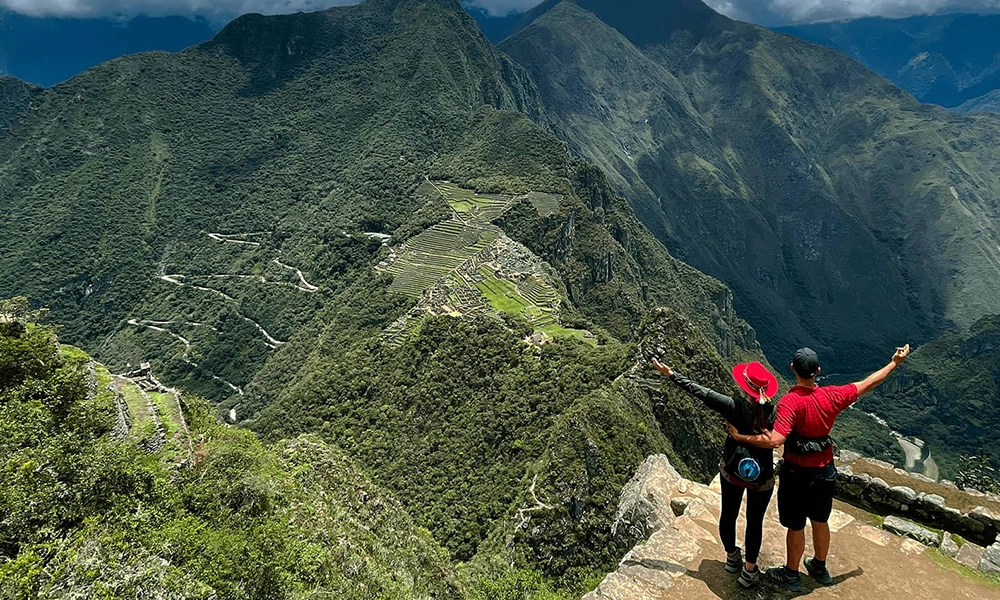
The Salkantay Trek is spectacular — but vulnerable. Practicing responsible tourism protects Andean ecosystems, supports rural livelihoods, and ensures future generations can experience this extraordinary route to Machu Picchu.
Traveling consciously doesn’t reduce adventure.
It makes it more meaningful.