Archaeological treasures, living nature, and ancestral culture in the Andes of Ancash
Located in the heart of the Peruvian highlands, the province of Recuay is a destination that invites visitors to immerse themselves in the rich history of the Andes, the spirituality of its mountains, and the cultural legacy of one of the most influential civilizations in northern Peru. Surrounded by the majestic Cordillera Blanca and Cordillera Negra mountain ranges and crossed by important pre-Hispanic routes, Recuay preserves traditions, customs, and landscapes that transport travelers to an authentic Peru, far from conventional tourism.
🗺️ Location, altitude, and access to Recuay
Recuay is one of the 20 provinces of the department of Áncash. It borders the province of Huaraz to the north, Huari to the east, Bolognesi to the south, and Aija and Huarmey to the west. The capital, also called Recuay, is located at an average altitude of 3,400 meters above sea level in the upper basin of the Santa River, one of the most important water sources in the region.
🚗 How to get there:
- From Lima: Lima – Pativilca – Conococha – Recuay route (8 to 9 hours by bus or private car).
- From Huaraz: 30 minutes on paved road (PE-3N), with buses available all day.
- Nearest airport: Anta – Comandante FAP Germán Arias Graziani (45 km from Recuay).
Its strategic location makes Recuay an excellent entry point to Huascarán National Park, trekking circuits, high Andean lakes, rural communities, and little-explored archaeological sites.
🏞️ Geography, ecosystems, and biodiversity
The territory of Recuay extends from 3,200 m to over 5,000 m above sea level, allowing for a wide variety of landscapes and ecological zones. The province is divided by the Cordillera Blanca mountain range to the east and the Cordillera Negra mountain range to the west, creating contrasts in climate, flora, and fauna.
Main ecosystems:
- High Andean puna: Ichu grasslands, wetlands, glacial lagoons.
- Queñual forests: Relict ecosystems between 3,800 and 4,200 m, vital for water conservation.
- Santa River riparian zone: Fertile valley with traditional crops and livestock areas.
Emblematic fauna:
Andean fox, vizcacha, gray deer, Andean condor, Andean goose, wild ducks, and the giant frog of Santa.
🏛️ History and cultural heritage of Recuay
Recuay takes its name from the pre-Inca Recuay culture (approx. 200 BC – 600 AD), a civilization that flourished in the Callejón de Huaylas before the Wari and Inca rule. This culture was notable for its fortified architecture, sculptural pottery, hydraulic techniques, and monolithic sculptures.
Cultural characteristics of the Recuay civilization:
- Polychrome pottery with human faces and scenes from ritual life.
- Large stone sculptures (monoliths), similar to those of Chavín.
- Construction of fortresses on mountain tops and in ravines.
- Underground tombs or “chullpas” in elevated areas.
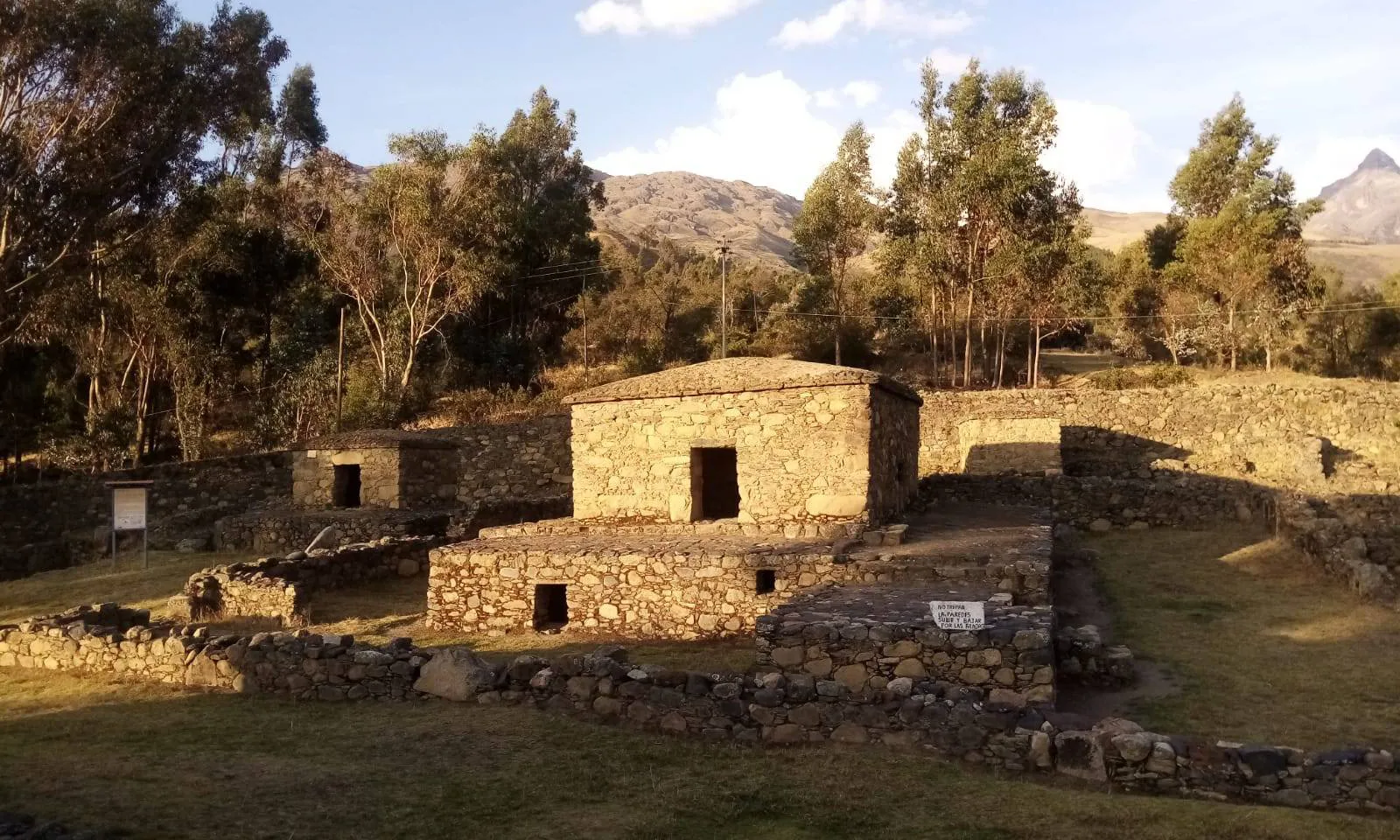
Many of these findings are preserved in the Ancash Archaeological Museum in Huaraz, but several remains remain in situ in the province of Recuay, such as the Pumacayán complex, considered the most representative ceremonial center of the ancient Recuay culture.
🌟 Main tourist attractions in Recuay
🗿 1. Pumacayán Archaeological Complex
Located on the outskirts of the city of Recuay. It consists of stepped platforms, circular enclosures, water channels, monoliths, and carved stone structures. It is considered one of the most representative sites of Ancash’s archaeological heritage.
❄️ 2. Conococha Lake
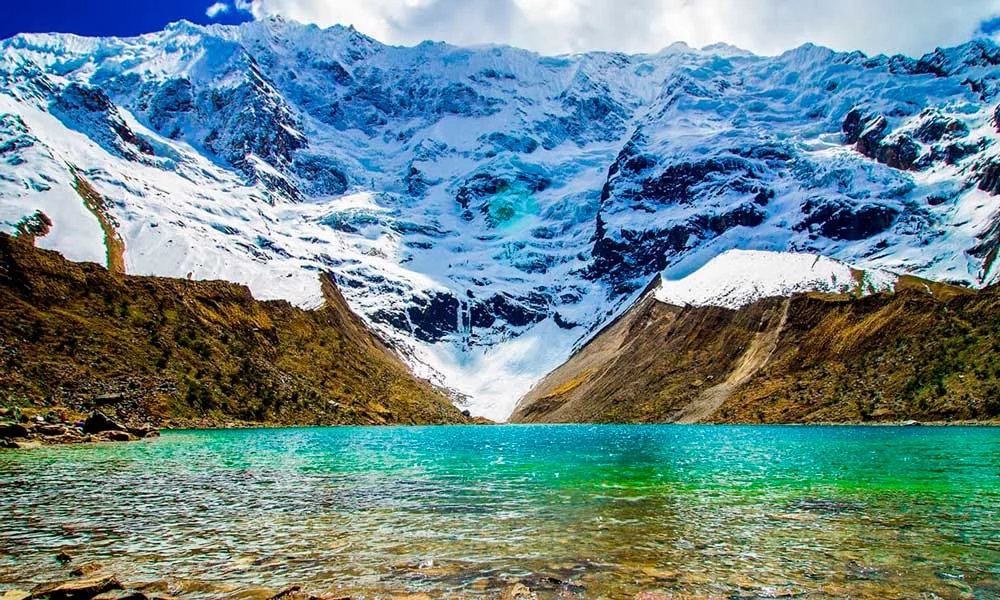
Located at 4,100 meters above sea level, on the border with the province of Bolognesi. It is the source of the Santa River, with a serene landscape ideal for waterfowl watching and hiking. It is also a reference point for accessing the snow-capped Caullaraju mountain.
🧗♂️ 3. Cañón del Pato
A narrow pass between the Blanca and Negra mountain ranges, crossed by a spectacular road with more than 30 tunnels carved into the living rock. This route offers one of the most dramatic views of the Peruvian landscape and connects Recuay with the province of Huaylas.
🏔 4. Access to snow-capped mountains and trekking in Huascarán National Park
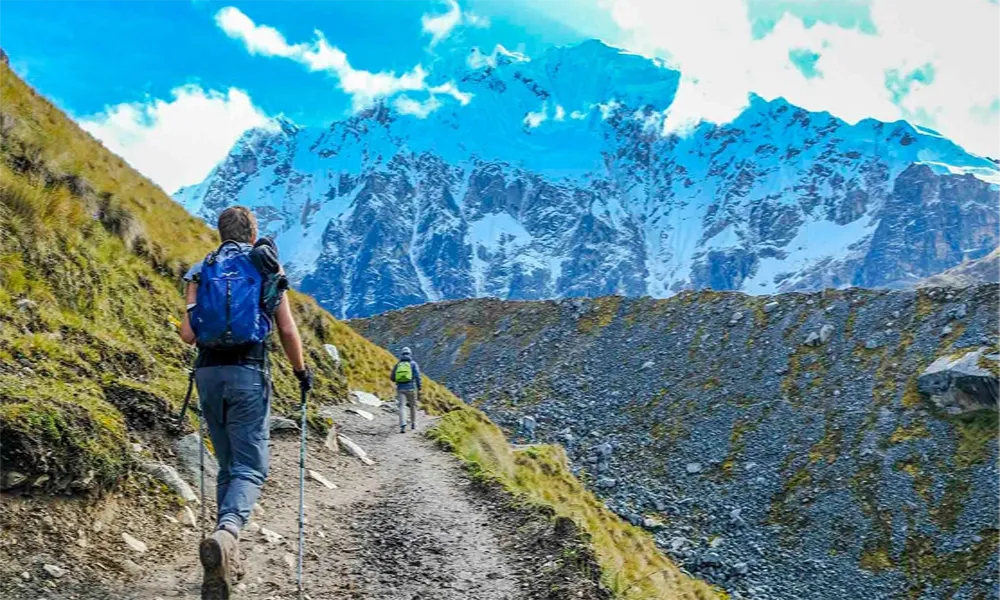
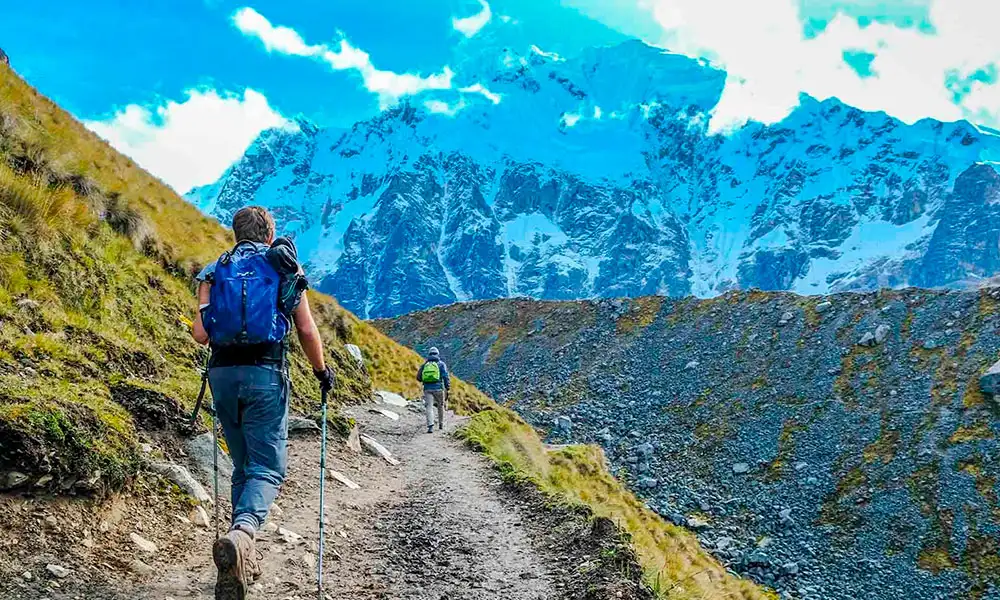
From Recuay and its districts such as Catac, Marca, and Pararín, you can access routes to the Huantsán snow-capped mountain, the Rurec gorge, and lagoons such as Raraju, Qishqiqucha, and Yanacocha, which are perfect for medium-difficulty hikes, flora observation, and high-altitude camping.
🐑 5. Rural tourism in traditional villages
The districts of Ticapampa, Cotaparaco, Huayllapampa, Marca, Pararín, and Llacllín preserve a rich Quechua cultural heritage. There you can enjoy experiential tourism activities such as:
- Alpaca and sheep herding.
- Production of artisanal cheese and yogurt.
- Weaving on a backstrap loom.
- Participation in local festivals such as Cruz Velacuy, Andean Carnival, and San Pedro.
🎭 Festivities and living culture
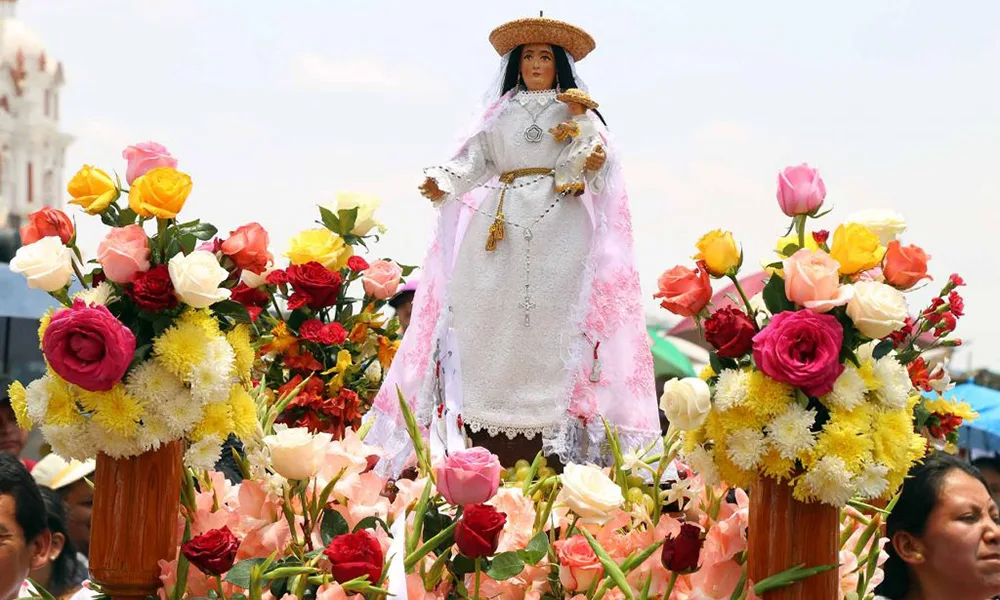
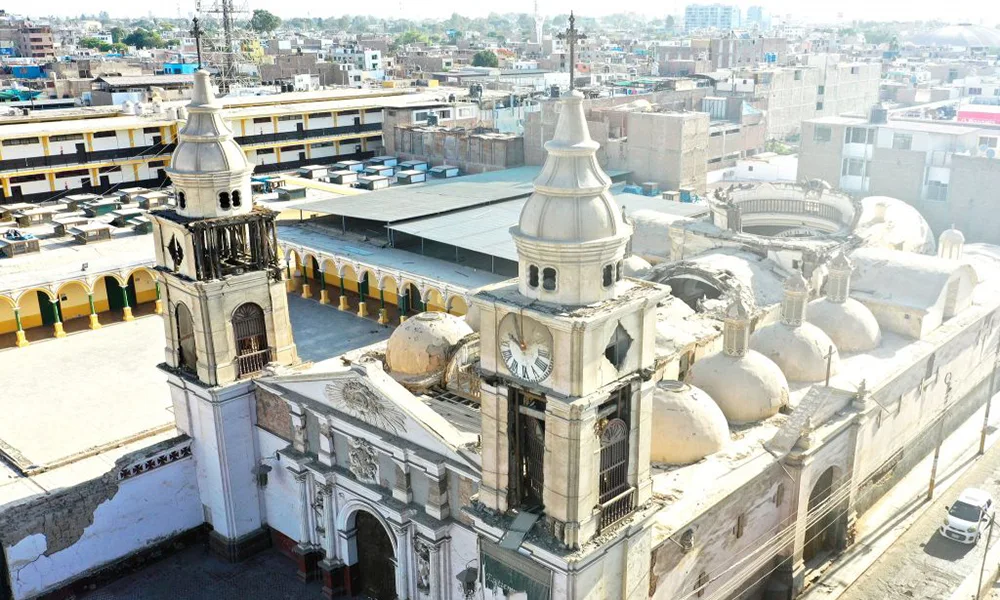
- Fiesta del Señor de Burgos (October): Patron saint of the city of Recuay, celebrated with masses, bands, processions, dances, and a food fair.
- Cruz Velacuy (May): Andean ritual that blends Catholic faith and the Quechua worldview, with processions, yunzas, and offerings to the Apus.
- High Altitude Carnivals: Dances such as the Huaylash, Negritos, and carnivals with multicolored costumes, traditional music, and parades.
- Recuay Tourism Week: Cultural events, hiking, mountain biking, and food competitions.
🍲 Typical cuisine of Recuay
Recuay cuisine combines Andean ingredients with traditional recipes. Some typical dishes are:
- Pachamanca with three meats and native potatoes.
- Cuy chactado with mote and ground chili pepper.
- Green wheat broth with eggs and cheese.
- Artisanal cheeses and natural yogurt made from fresh milk.
- Serrano bread baked in a clay oven.
🧭 Tips for visitors
- Acclimatize for 1 or 2 days before hiking above 4,000 m above sea level.
- Wear warm clothing in layers, hiking boots, sunscreen, and sunglasses.
- Bring water, snacks, a camera, and personal documents.
- Hire authorized local guides or services for routes in natural areas.
- Participate respectfully in community festivities and activities.
- Support responsible tourism: avoid leaving waste behind and do not damage structures or wild flora.
✅ Why visit Recuay?
- It is one of the few destinations in Peru where you can combine pre-Inca archaeology, extreme nature, and living culture in one place.
- Unlike crowded destinations, Recuay offers authenticity, tranquility, and proximity to Andean communities.
- It is the gateway to alternative routes in Huascarán National Park, ideal for travelers seeking new experiences.
- It connects the ancestral with the contemporary, from forgotten fortresses to rituals that are still alive today.