Salkantay Pass at Altitude
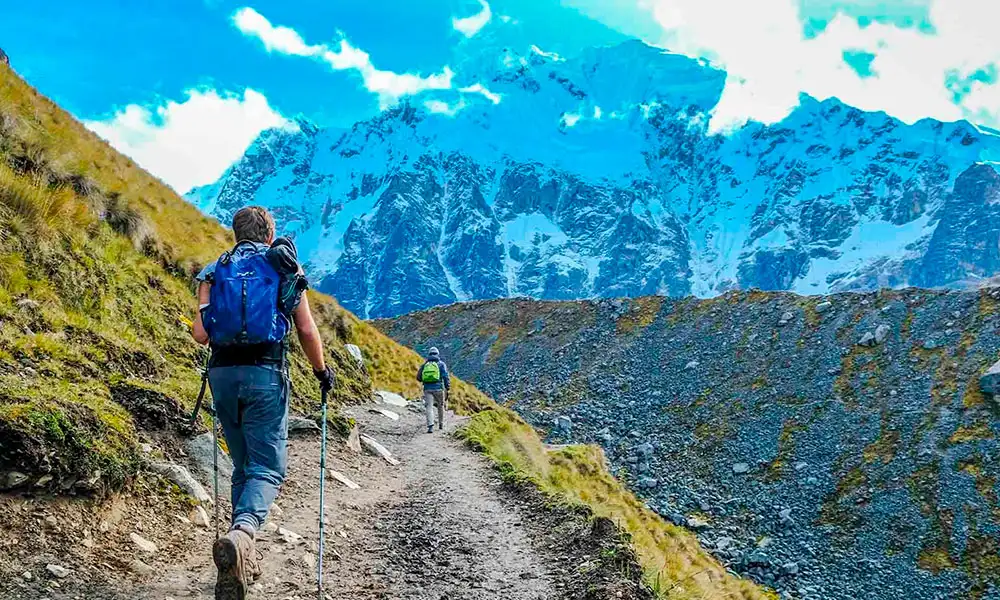
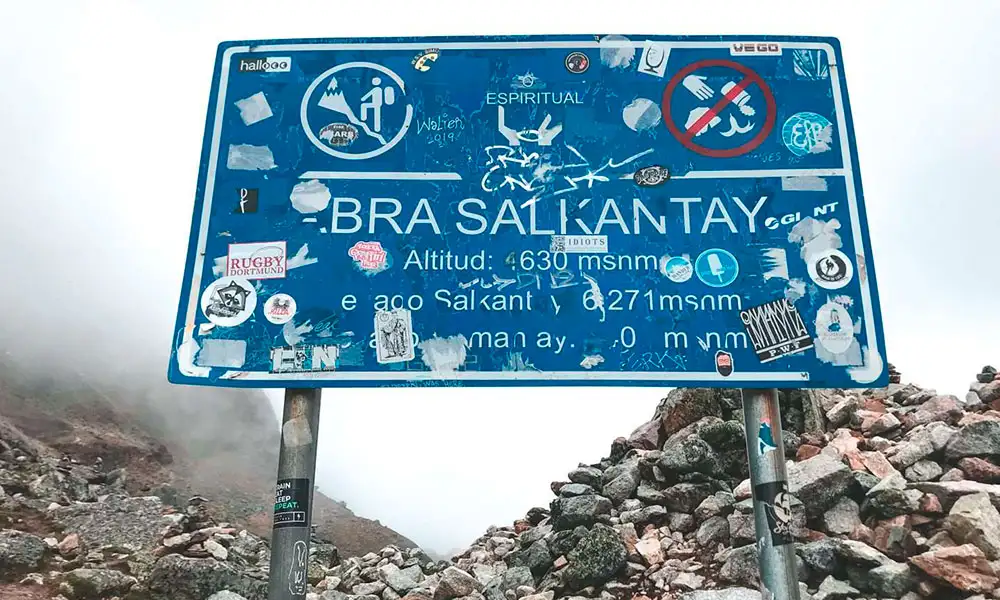
The Salkantay Pass is one of the most iconic and challenging sections of the Salkantay Trek to Machu Picchu, a trekking route in Cusco, Peru. The Salkantay Pass reaches 4,650 meters above sea level, making it the highest point of the Salkantay Trek and one of the most impressive.
Located in the Vilcabamba mountain range, the Pass is among the most breathtaking landscapes on the route to the Inca citadel of Machu Picchu.
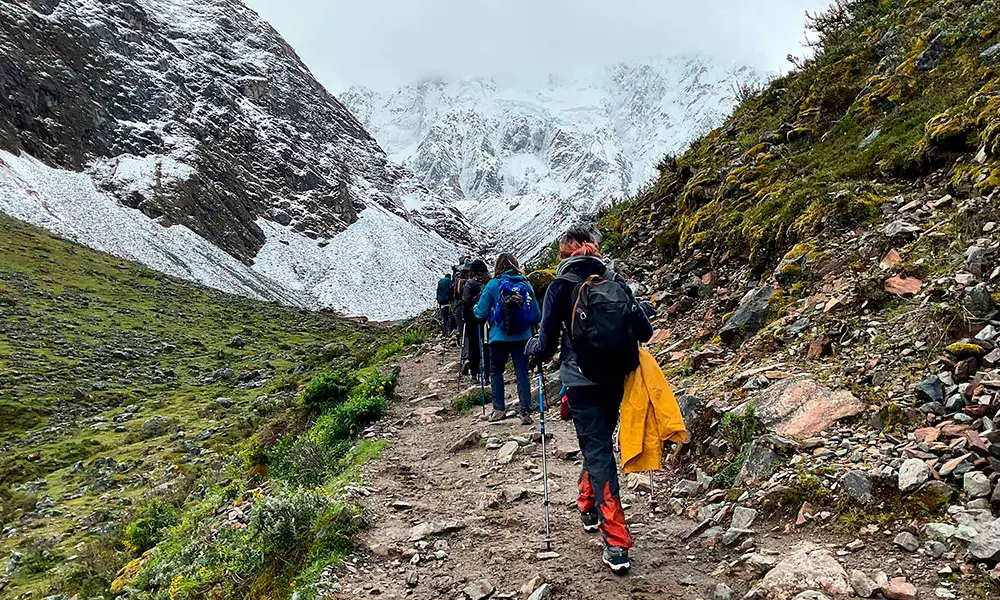
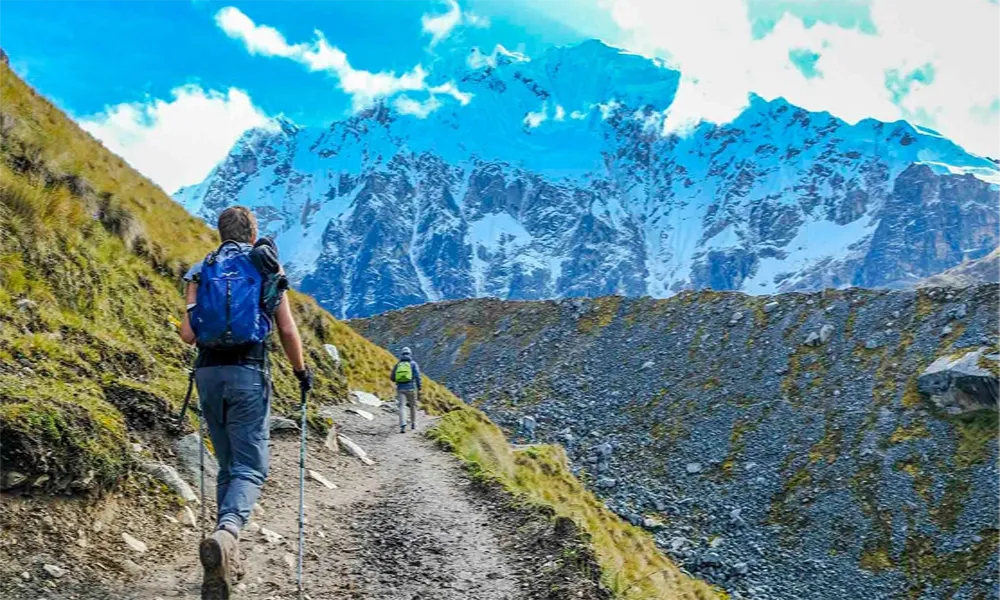
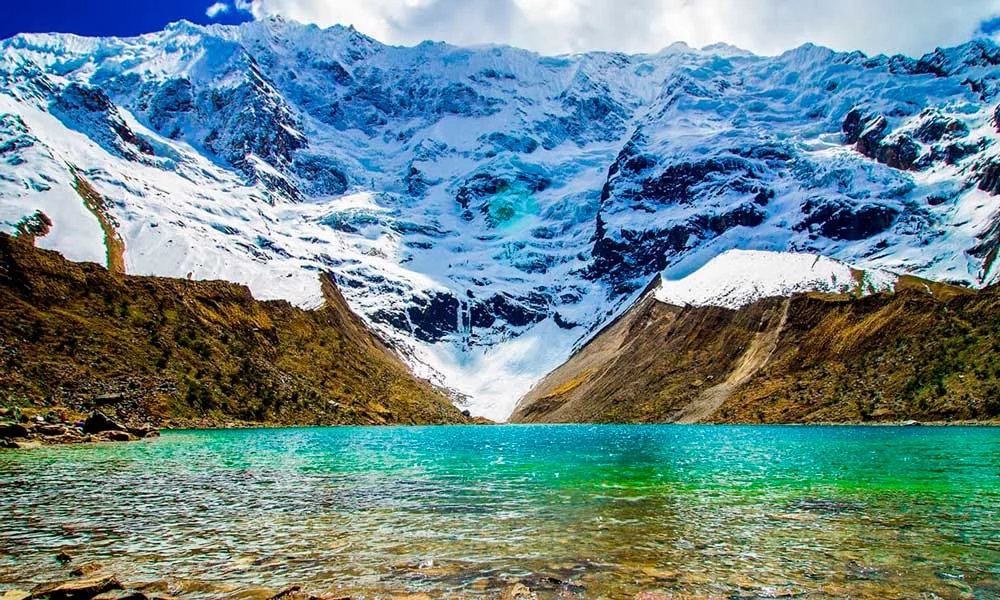
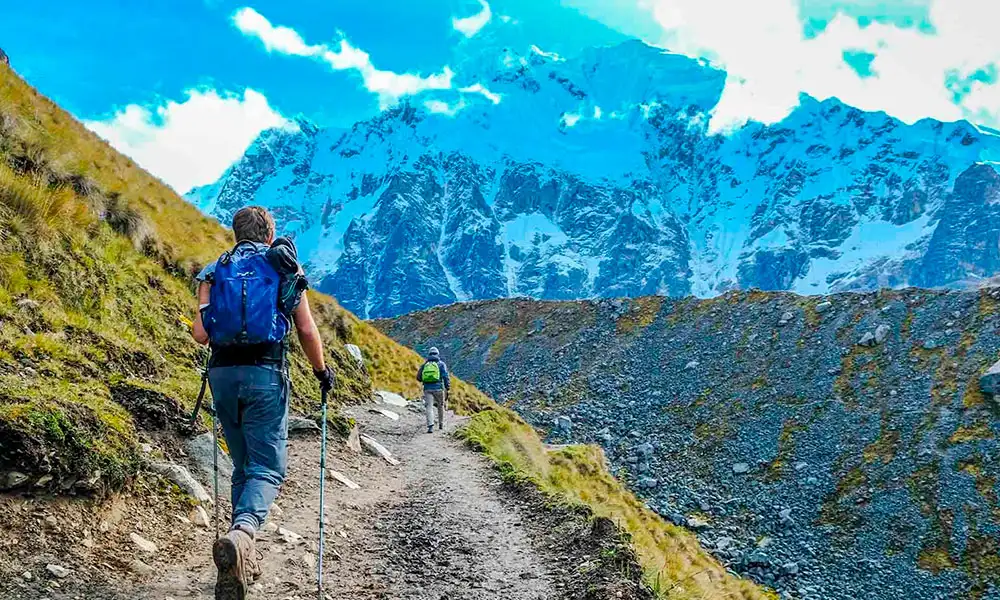
The trek across the Salkantay Pass offers breathtaking views of the snow-capped Salkantay Mountain, whose summit rises to 6,271 meters above sea level.
During this part of the trek, hikers cross high-mountain ecosystems with perpetual snow, glaciers, and ancient rock formations. The weather on the Salkantay Pass is unpredictable: it can snow, rain, or be clear, with temperatures dropping to -5°C during the dry season.
Due to the altitude of the Salkantay Pass, it is recommended to acclimatize for at least two days in Cusco before beginning this demanding hike. It is essential to bring thermal clothing, a waterproof jacket, walking sticks, gloves, a wool hat, and sunglasses to safely cross the Salkantay Pass.
The Salkantay Trek typically crosses the Salkantay Pass on the second day of the itinerary, after camping in Soraypampa, at 3,900 meters above sea level. This pass marks the beginning of the descent from the Andes to the edge of the Amazon rainforest, which generates a drastic change in climate and vegetation.
The Salkantay Pass is also a point of strong spiritual connection for Andean people, as it is under the energy of Apu Salkantay.
Hiking this section requires good physical and mental fitness, as it is one of the most demanding high-altitude treks in Peru. Crossing the Pass is an unforgettable experience that combines adventure, nature, and culture, ideal for those seeking an alternative route to Machu Picchu.