Sacsayhuamán is one of the most impressive monuments left by the Incas and a must-see on any trip to Cusco. This majestic structure rises above the city at over 3,600 meters above sea level, offering a spectacular panorama of the valley and, at the same time, a journey into the past of Andean civilization.
Considered by many to be a military fortress, but also recognized as a ceremonial and astronomical site, Sacsayhuamán continues to amaze archaeologists, historians, and travelers with the magnitude of its cyclopean walls and the precision with which they were assembled without mortar, joining stones weighing over 120 tons.
📍 Strategic Location
Sacsayhuamán is located just 2 km north of Cusco’s Plaza de Armas, on a hill overlooking the entire city. Its location is no coincidence: access to the valley was controlled from here, and it was erected as part of the sacred Inca design of Cusco in the shape of a puma, representing the feline’s head.
📍 How to get to Sacsayhuamán
Getting to Sacsayhuamán is very easy thanks to its proximity to Cusco’s historic center. The archaeological complex is located just 2 kilometers from the Plaza de Armas, in the upper part of the city, allowing access on foot, by private transportation, or through an organized tour. Below, I explain the most practical options:
🚶 Walking
- Duration: between 25 and 40 minutes, depending on the traveler’s pace.
- Recommended route: The climb generally starts from the San Blas neighborhood, known as Cusco’s bohemian district. From there, you ascend along narrow, cobblestone streets like Cuesta de San Blas or Don Bosco, passing by viewpoints that offer panoramic views of the city.
- Advantages: It’s the most economical option and allows you to enjoy the urban landscape and local life. During the walk, you’ll pass through traditional alleyways, Inca walls, and small craft shops.
- Recommendation: Bring water, a hat, and walk slowly, as the altitude can cause fatigue.
🚖 By taxi or private transportation
- Duration: Around 10 to 15 minutes from the historic center.
- Cost: Between 10 and 15 soles each way (approximate price; it’s always advisable to arrange this with the driver beforehand).
- Availability: Official taxis are easily found on main streets or can be requested through mobile apps.
- Advantages: It’s the most comfortable, fastest, and safest option, especially for those who don’t want to walk uphill or are traveling with children or the elderly.
- Bonus tip: Some drivers offer to wait at the entrance for the return trip, which is useful if you don’t want to worry about getting a ride back.
🚌 Guided tour
- Type: The most common way to visit Sacsayhuamán is as part of a Cusco City Tour, which generally lasts half a day.
- Includes: tourist transportation, a professional bilingual guide, and stops at other nearby sites such as Qenqo, Puca Pucara, and Tambomachay.
- Cost: Between $25 and $40 per person, depending on the agency and the services included.
- Advantages: In addition to transportation, you’ll receive detailed explanations about the history, architecture, and symbolism of the complex, which greatly enriches the experience.
- Recommendation: Book with reliable agencies and, during peak season (June-August), book in advance.
🚴 By bike or alternative guided hike
- For more adventurous travelers, there’s the option of reaching Sacsayhuamán via bike routes or as part of a guided urban archaeological hike that connects different Inca sites around Cusco.
- These experiences often include stops at viewpoints, artisan workshops, and local communities.
👉 Practical Tip:
Regardless of how you arrive, remember that admission to Sacsayhuamán is included in the Cusco Tourist Ticket (general or partial), so it’s best to purchase it in advance to avoid any hassles at the ticket office.
🕰️ History and Significance
The construction of Sacsayhuamán is attributed to the emperors Pachacútec and Huayna Cápac in the 15th century. According to chronicles, more than 20,000 men were employed, including stonemasons and laborers from across the empire.
Attributed Functions
- Military fortress: its zigzagging walls served to resist attacks.
- Ceremonial center: religious rituals were performed in honor of the sun god Inti.
- Astronomical observatory: some researchers indicate that its structures allowed solstices and equinoxes to be calculated.
Historical Facts
In 1536, Sacsayhuamán was the scene of a great battle between the Incas, led by Manco Inca, and the Spanish forces. Although the Incas bravely resisted, the conquistadors eventually took control.
🏞️ What to See in Sacsayhuamán
The complex occupies more than 3,000 hectares and houses walls, plazas, temples, and canals. Its main attractions include:
- Zigzag Walls: three levels of superimposed walls, with perfectly fitted giant stones, some over 9 meters high.
- Ceremonial Plaza: a space where thousands of people gathered for collective rituals.
- Rodaderos or Suchunas: sloping rock formations used as slides, still enjoyed by visitors.
- Inca Throne: a seat carved into the rock where ceremonies of power were held.
- Chincanas: underground tunnels that, according to tradition, connected to the Qoricancha and other parts of the city.
- Cusco Lookout: offers an unparalleled panoramic view of the valley, ideal for photographs.
🎭 Festivities in Sacsayhuamán
The Sacsayhuamán esplanade is the scene of Inti Raymi, or the Festival of the Sun, held on June 24th each year. This event, which recreates ancient Inca rituals, brings together thousands of tourists and locals to witness offerings, dances, and theatrical performances in honor of the god Inti.
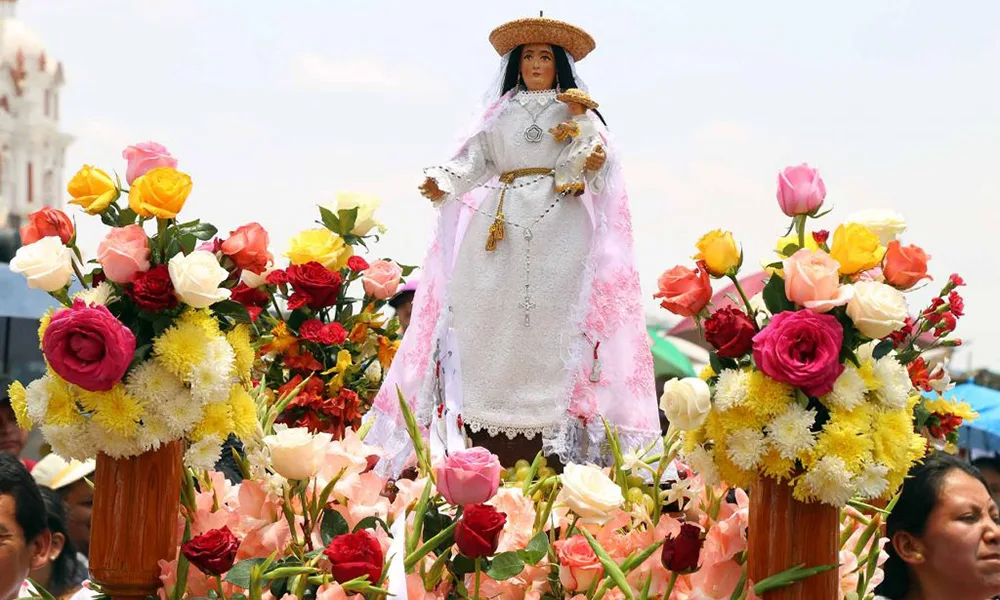
👉 Corpus Christi is also celebrated in June, where images of 15 saints and virgins parade through Cusco, culminating in ceremonies at this complex.
☀️ Climate and Best Time to Travel
Cusco’s climate is Andean, cold, and dry for much of the year.
- Dry season (May to October): the best time, with clear skies and ideal weather for hiking.
- Rainy season (November to April): green landscapes, but with frequent rain.
Average temperature: 5°C–20°C. It is recommended to wear a coat, even during the dry season, as the nights can be cold.
🎫 Tickets and Prices
Sacsayhuamán does not have an independent ticket office. Admission is through the Cusco Tourist Ticket (BTC):
- 🎟️ General Ticket: 130 soles (foreigners) / 70 soles (Peruvians).
- 🎟️ Partial Ticket (Circuit I): 70 soles (foreigners) / 40 soles (Peruvians).
Includes access to Sacsayhuamán, Qenqo, Puca Pucara, and Tambomachay.
Visiting Hours:
Every day from 7:00 a.m. to 6:00 p.m.
🏨 Recommended Accommodations
Although there is no accommodation within Sacsayhuamán, the proximity to Cusco offers multiple options:
- Budget: hostels in San Blas and the historic center.
- Boutique: Casa Andina Premium Cusco, Antigua Casona San Blas.
- Luxury: JW Marriott El Convento, Palacio del Inka.
🍲 Nearby Gastronomy
After the visit, you can enjoy restaurants and picanterias in Cusco:
- Traditional dishes: roasted guinea pig, chiriuchu, roasted suckling pig.
- Traditional drinks: frutillada and chicha morada.
- Gourmet experiences: fusion cuisine restaurants such as Chicha de Gastón Acurio or Cicciolina.
🎒 Travel Recommendations
Visiting Sacsayhuamán is a fascinating experience, but it also requires some preparation due to the altitude and terrain. Here are some key tips:
- Pre-acclimatization 🏔️
Cusco is at 3,399 meters above sea level, and Sacsayhuamán is even slightly higher. It’s recommended to rest for a day or two in the city before embarking on demanding hikes, drink plenty of fluids, and avoid heavy meals. Infusions such as coca or muña tea help reduce the symptoms of soroche (altitude sickness). - Hydration and light snacks 💧🍫
During your visit, it’s a good idea to bring a bottle of water and small energy snacks (nuts, chocolate, or bars). The walk between the esplanades can be demanding under the Andean sun. - Sun protection ☀️🕶️
Cusco’s climate is deceptive: although the temperature isn’t always high, solar radiation in the Andes is intense. Wear sunscreen, a hat or cap, and sunglasses. - Appropriate Clothing 👕🧥
The weather changes quickly. It’s best to dress in layers: a light T-shirt, a sweater or fleece, and a windbreaker. During the day, the sun can be hot, but temperatures drop significantly in the afternoon and evening. - Advance Tickets 🎟️
During high season (June–August), visitor numbers increase, especially around the Inti Raymi festival. Purchasing the Cusco Tourist Ticket in advance guarantees entry and avoids long lines at the ticket office. - Hire a Local Guide 📖
Although you can explore on your own, a licensed guide adds value to the visit by explaining the symbolism, history, and architectural details. They often also offer alternative, less-traveled routes. - Respect for Heritage 🚫✋
Climbing the walls, moving stones, or entering restricted areas is prohibited. Remember that Sacsayhuamán is a World Heritage Site and requires conservation.
🤔 Frequently Asked Questions
⏳ How long does the Sacsayhuamán tour last?
The average tour lasts between 1 and 2 hours. However, with a tour guide explaining each section, the visit can be extended to 2.5 or even 3 hours. If combined with other sites on the archaeological circuit (Qenqo, Puca Pucara, and Tambomachay), it is recommended to reserve at least half a day.
👨👩👧 Is it advisable to visit with children?
Yes, it’s a family destination. Little ones really enjoy the “Suchunas,” or stone slides, which resemble natural water slides. However, it’s best to keep a close eye on them in areas with steps and slopes.
🚶♂️ Can you visit independently?
Yes, you can enter independently with your Tourist Ticket. However, visiting with a guide enriches the experience, as you’ll understand the Inca worldview, the symbolism of the puma-shaped design, and the history of the battle against the Spanish in 1536.
⛰️ How high is Sacsayhuamán?
It’s located at 3,600 meters above sea level, slightly higher than the historic center of Cusco. Therefore, it’s common to feel a little fatigued when walking. It is recommended to proceed slowly, hydrate, and rest on the esplanades when necessary.
🕐 What are the best times to visit Sacsayhuamán?
The complex is open every day from 7:00 a.m. to 6:00 p.m. The best times are in the morning (8:00 a.m. to 11:00 a.m.), when the sun illuminates the walls and there are fewer visitors, and in the late afternoon, to enjoy the sunset over Cusco.
📸 Are photographs and videos allowed?
Yes, you are free to take photos. If you wish to make professional or drone recordings, you must request special permits from the Ministry of Culture.