Portada » Blog » Practical Tips for Tourists Visiting Peru
Practical Tips for Tourists Visiting Peru
Visiting Peru is a dream come true for many travelers, thanks to its rich cultural heritage, awe-inspiring landscapes, and welcoming people. However, to fully enjoy this South American gem, it’s important to be well-prepared and aware of practical tips that will ensure your journey is smooth, comfortable, and memorable. Whether you’re exploring the Andean mountains, immersing yourself in the hustle of Lima, or discovering the mysteries of the Amazon, understanding local customs, navigating terrain, and preparing for health concerns will make your travel experience in Peru even more rewarding. Here are six essential and detailed practical tips for any tourist visiting Peru.
1. Prepare for Altitude Sickness
One of the most common challenges travelers face in Peru is the high altitude, especially in cities like Cusco, Puno, and Arequipa, which are located well above sea level. Cusco, for example, sits at around 11,150 feet (3,400 meters), and Lake Titicaca reaches an altitude of about 12,500 feet (3,800 meters). At such heights, the oxygen level is lower, and many visitors experience altitude sickness symptoms like dizziness, nausea, headaches, and shortness of breath.
To minimize the risk of altitude sickness:
Arrive Early: If possible, arrive at high-altitude destinations like Cusco or Puno a couple of days before engaging in physically demanding activities. This will give your body time to acclimate.
Drink Plenty of Water: Staying hydrated is key to preventing altitude sickness. Make sure to drink lots of water, but avoid alcohol or heavy meals during your first few days in the highlands.
Avoid Overexertion: Take things slowly for the first couple of days. Avoid strenuous exercise and give your body time to adjust to the thinner air.
Consult with a Doctor: For those who are particularly sensitive to altitude, acetazolamide(Diamox) is a medication that can help prevent altitude sickness. Consult with a doctor before traveling to see if this is right for you.
2. Dress in Layers for Varying Climates
Peru’s diverse geography means that temperatures can vary significantly within the same day, depending on where you are. The country has three distinct regions: the coastal desert, the Andes mountains, and the Amazon rainforest. Each area has its own weather patterns, and it’s essential to pack accordingly.
In the Highlands: Cities like Cusco and Arequipa experience drastic temperature shifts. It can be hot during the day, but at night, temperatures can drop below freezing. Layers are essential: pack light clothes for the day but make sure you have a warm jacket, sweater, and even gloves for the evenings and higher elevations.
Coastal Areas: Lima and other coastal cities are more temperate, with a relatively mild climate. However, they can get chilly and foggy in the cooler months (May to October), so a light jacket or sweater is recommended.
The Amazon: The rainforest is warm and humid year-round. Light, breathable clothing is essential for daytime, along with a rain jacket or poncho during the wet season (from November to March).
3. Use Local Currency and Keep Small Bills Handy
The official currency of Peru is the Peruvian Sol (PEN). Although U.S. dollars are accepted in some tourist areas, it’s always better to use soles for transactions. You’ll often get a more favorable exchange rate and won’t face challenges with change in smaller towns or markets.
ATMs and Currency Exchange: Use ATMs located in banks or trusted locations to withdraw cash. It’s safer and typically gives you a better exchange rate than exchanging currency at the airport or hotels. Always notify your bank before you leave the U.S. to avoid issues with your credit cards.
Small Bills: When shopping in markets or smaller shops, it’s helpful to carry small bills (like 5 soles, 10 soles, or 20 soles). This will make it easier to pay for smaller items and prevent the issue of not having enough change, as many vendors may struggle with making change for larger bills.
4. Stay Safe and Be Mindful of Your Belongings
Peru is generally safe for tourists, but like any popular destination, petty theft, such as pickpocketing, can occur in crowded areas. Tourists should be mindful of their belongings, particularly in busy markets, public transportation, and crowded tourist sites.
Use a Money Belt or Hidden Pouch: Keep your passport, extra cash, and credit cards in a money belt or hidden pouch. This is especially important in crowded areas like Lima’s central market or when walking through Cusco’s Plaza de Armas.
Be Cautious with Electronics: Avoid carrying expensive items like cameras, smartphones, or tablets in plain sight. While it’s tempting to take lots of photos, make sure to keep your gear secure, especially in more populated areas or busy markets.
Use Reputable Taxis: To avoid potential scams, it’s safer to book taxis through hotel concierges or use ride-hailing apps like Uber or Cabify, especially at night. It’s best to avoid hailing taxis on the street, as some unregistered vehicles may overcharge tourists.
5. Drink Bottled Water and Be Careful with Ice
In Peru, tap water is not safe to drink, especially for visitors. The chlorine levels in the tap water may not be suitable for tourists’ stomachs, which can lead to gastrointestinal problems. To avoid any health issues:
Always Drink Bottled Water: It’s essential to drink bottled water during your entire trip. Bottled water is easily available at convenience stores, supermarkets, and hotels.
Avoid Ice: Even if you’re ordering drinks in restaurants or bars, avoid consuming ice as it may be made from untreated water. Instead, opt for drinks without ice, especially in rural areas or smaller towns.
Use Water Purifiers: If you’re traveling to remote areas and wish to save money, you can purchase a water purifier or purification tablets to purify tap water and make it safe for drinking.
6. Respect Local Customs and Traditions
Peru is home to many indigenous cultures and traditional communities, each with its own distinct customs, languages, and rituals. When visiting Peru, it’s essential to be aware of these local traditions and respect them during your stay.
Greet with Respect: A firm handshake is common when meeting someone for the first time, and in some regions, people greet one another with a kiss on the right cheek, especially among close friends and family.
Dress Modestly: When visiting rural areas, especially sacred places like Machu Picchu, Lake Titicaca, or the Sacred Valley, dress modestly and avoid wearing revealing clothing. It’s also important to dress appropriately when entering churches or temples.
Be Cautious with Photography: While taking photos is encouraged at many tourist sites, always ask for permission before photographing indigenous people, especially those wearing traditional clothing. Some locals may prefer not to have their photos taken, and it’s crucial to respect their wishes.
Conclusion
A trip to Peru can be one of the most rewarding travel experiences of your life, but preparation is key. By taking practical steps such as acclimating to the altitude, dressing appropriately for varying climates, using the local currency, staying vigilant with your belongings, and respecting local customs, you can ensure that your visit is safe, comfortable, and culturally enriching. Whether you’re exploring ancient ruins, hiking through the Andes, or experiencing vibrant festivals, these practical tips will help you make the most of your time in Peru, ensuring an unforgettable adventure.
An excellent place to rest Marvelous Hotel Cusco is a budget-friendly accommodation located in the historic center of Cusco, just a 7-minute walk from the Plaza de Armas and near the Central Market of San Pedro. It has an average rating of 8.0 out of 10 on platforms like Hotels.com, appreciated for its good value and friendly staff.✅ ProsCentral location: Perfect for exploring Cusco on foot, with easy access to tourist attractions and local services.Panoramic views: The rooftop terrace offers stunning views of the city—one of the hotel’s highlights.Reliable Wi-Fi: Strong internet connection, reportedly good enough for video calls.Helpful staff: Guests describe the team as kind and helpful, assisting with tour bookings and luggage storage.⚠️ Things to ConsiderCold rooms: Like many places in Cusco, the rooms can get quite cold at night due to the lack of heating.Noise issues: Some guests mentioned thin walls or poor sound insulation, which can affect sleep quality.Cleaning standards vary: While many guests found the rooms clean, others noted that the bathrooms could be better maintained.🧳 Best ForTravelers on a budget looking for a central location with basic but sufficient amenities. It's especially convenient for those planning to do hikes like the Inca Trail or Salkantay Trek, as the hotel offers free luggage storage during the tours.
Publicado en Tripadvisor
Mariela H
Verificada
Un viaje maravilloso, que fue inolvidable con Maravilloso Perú. Tuve una experiencia increíble con esta agencia de viajes. Desde el primer contacto, la atención fue muy profesional y amable. El guía era excelente: conocedor, divertido y siempre asegurándose de que todos estábamos cómodos y disfrutando del recorrido. Además, el recorrido estuvo muy bien organizado, con tiempo adecuado y paradas interesantes. El precio era muy justo por la calidad del servicio y todo incluido. Sin duda los volvería a elegir para mi próxima aventura, muy recomendable!
Publicado en Tripadvisor
Tourist64240670588
Verificada
SALKANTAY TREKKING UNA CAMINATA INCA MEMORABLE ¡¡¡¡SUPER RECOMENDADO!!!! Experiencia increíble en la caminata, impresionante servicio, desde la hora de recojo y el guía Fernando un excelente profesional.Conocer los andes de Perú , es algo que te llevaras en la memoria para siempre, es un viaje por las montañas donde recorrieron los incas, y hasta el día de hoy aun se siente la esencia de los antepasados incas.Lo super recomiendo!!!
Publicado en Tripadvisor
Keyla C
Verificada
Mi mejor experiencia Estoy encantada Me ayudaron y siempre estuvieron pendientes de todo . Salió increíble, no tuve que preocuparme por nada. Siempre volvería a viajar con esta agencia ..
Publicado en Tripadvisor
saidcha C
Verificada
El viaje inolvidable de mis sueños con el Perú Maravilloso Tuve una experiencia maravillosa con esta agencia de viajes. La calidad del servicio fue excelente, con cada detalle cuidadosamente preparado para garantizar una experiencia cómoda y enriquecedora. El guía fue uno de los momentos más destacados del tour: tuvo un conocimiento profundo de cada sitio que visitamos y lo compartió de una manera clara, entretenida y apasionada. Me sentí seguro en todo momento, ya que el equipo siguió bien - protocolos definidos y siempre estuvo atento al bien - estar del grupo. La planificación fue impecable: se cumplieron los horarios, el itinerario fue equilibrado y no hubo contratiempos. En cuanto al precio, me pareció muy justo y accesible teniendo en cuenta todo lo que estaba incluido, y además ofrecían opciones que se adaptaban a diferentes presupuestos. También me pareció notable la accesibilidad del tour, con instalaciones para personas con movilidad reducida y atención personalizada. Una experiencia que sin duda repetiré.
Publicado en Tripadvisor
Victor Padoveze
Verificada
Melhor do que esperavamos! Uma região muito diferente das demais, bem interessante de escutar e aprender sobre a história local, são MUITAS piscinas que estão ali desde a época pré-inca, mais de 3.000, e o mais mágico é que mantém a renda de centenas de família por anos e anos.
Publicado en Tripadvisor
Marcial Ata Cusi
Verificada
Una experiencia inolvidable Tomamos la opción de contar con la organización de nuestro tour a Machupicchu con la agencia Marvelous travel, fue una experiencia extraordinaria, nos brindó toda la información desde el día que nos contactamos, el guía que nos tocó para visitar la ciudad inca de Machupicchu nos asistió en todo momento de nuestro viaje, nos encantó su atención y la información que nos dio a cerca de Machupicchu. gracias por toda la atención brindada estamos muy agradecidos mi pareja y yo.
Publicado en Tripadvisor
hebert c
Verificada
Super Walli es un gran guía turístico en cusco Tuvimos un día fabuloso con un super él un grest wally! Recogida rápida, explicación exhaustiva del día. Cuando empezamos nuestra caminata, él tuvo especial cuidado para asegurarse de que todos en el grupo estaban haciendo bien. Algunos caminaban, otros tomaban este camino. Él se aseguró de que supiéramos dónde encontrarnos en cada punto de control... es un gran guía turístico...
Publicado en Tripadvisor
Pablo P
Verificada
La mejor excursión La visita fue inolvidable en compañía de nuestro guía Alex siempre pendiente del grupo muy amable alegre servicial y sabe mucha historia recomendable
Publicado en Tripadvisor
Nilton C
Verificada
Exelente servicio Fue una linda experiencia lo disfrutamos a lo máximo fue inolvidable, recomendamos hacer los viajes, la comida, nuestro guía fue lo mejor
Publicado en Google
Gimena Rojas
Trustindex verifica que la fuente original de la reseña sea Google.
Doing the Salkantay Trek to Machu Picchu was one of the most unforgettable experiences of my life, and a big part of that was thanks to the outstanding service and care provided by Marvelous Peru. From the very first contact, their team was professional, friendly, and informative. They answered all of our questions quickly and gave us clear, detailed information about the itinerary, what to pack, and what to expect on the trail.
The logistics were flawless — every transfer was on time, the campsites were well set up, and the support team was incredibly kind and helpful throughout the journey. A special mention goes to our guide, who was not only knowledgeable about Inca history, the local flora and fauna, and the geography of the Andes, but also passionate and deeply connected to the region's culture. His insights truly enriched our experience.
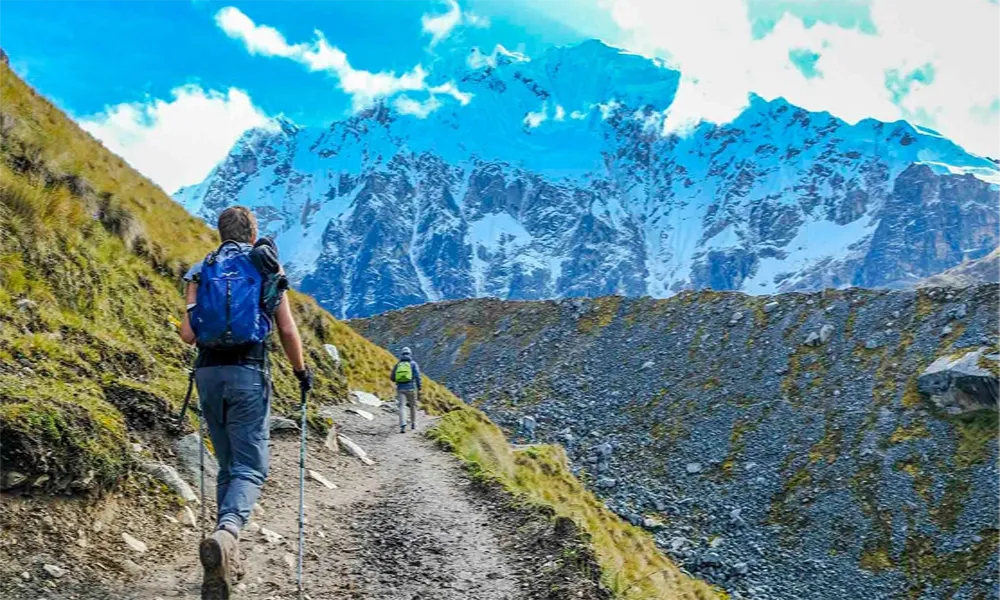
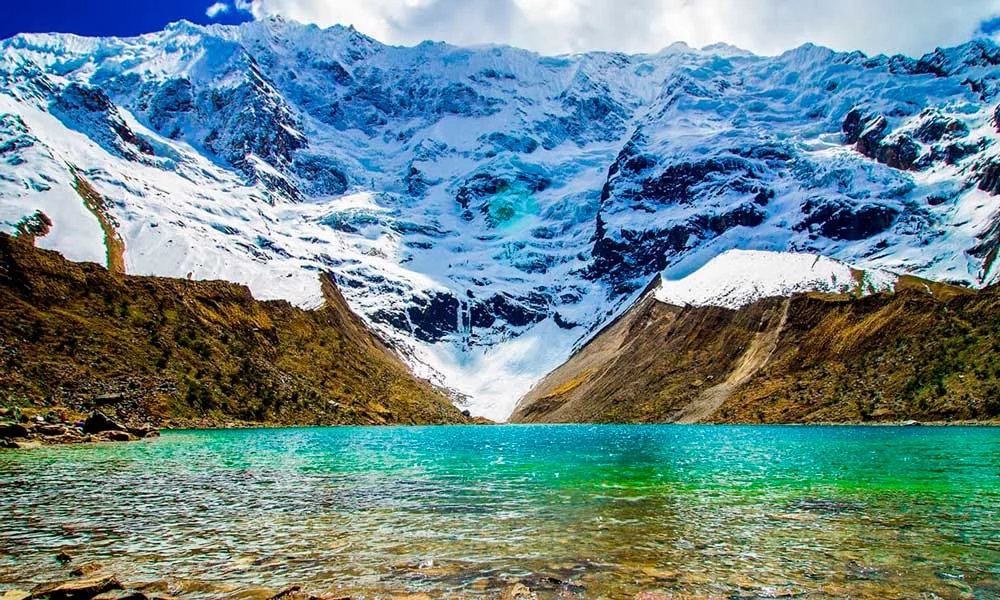
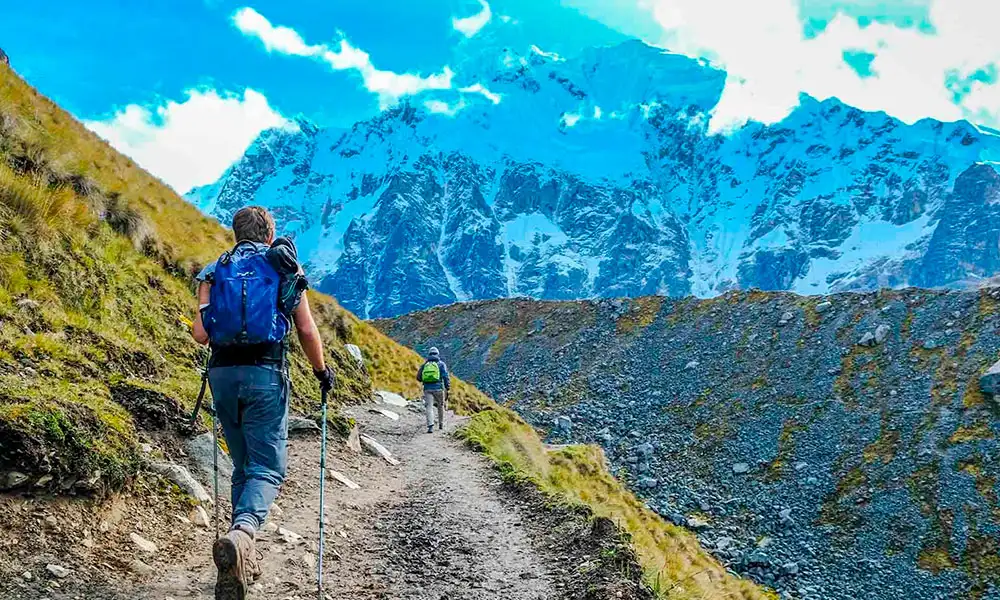
The trek itself was absolutely breathtaking. Each day brought new landscapes: from the snow-capped peaks of the mighty Salkantay Mountain to lush cloud forests, turquoise glacial lakes, and ancient Inca trails. The route was well-paced, with plenty of breaks, and we always felt safe and supported. It’s a physically challenging trek, but Marvelous Peru made sure everyone was comfortable and well taken care of.
One of the highlights was definitely the food. Considering we were in remote mountain areas, the meals exceeded all expectations. Every dish was fresh, flavorful, and thoughtfully prepared. There were generous portions, local flavors, and even vegetarian options — a huge plus for some of us in the group. Our camp chef deserves a medal!
Reaching Machu Picchu on the final day felt incredibly rewarding. After five days of hiking through such diverse and awe-inspiring terrain, standing before one of the world's wonders felt even more magical. It was the perfect end to a journey that tested us physically and rewarded us spiritually.
I wholeheartedly recommend Marvelous Peru to anyone considering the Salkantay Trek. Their passion, organization, and genuine care for their travelers truly set them apart. If you want to discover the beauty of the Andes and Machu Picchu in a way that’s immersive, authentic, and unforgettable, go with Marvelous Peru. You won’t regret it.
Publicado en Google
Sergio Prado
Trustindex verifica que la fuente original de la reseña sea Google.
The guide had so much knowledge and heart-he brought the trail to life
Publicado en Google
Marilyn Astudillo
Trustindex verifica que la fuente original de la reseña sea Google.
I didn’t expect to enjoy the food on a mountain trek so much. Every meal was amazing.
Publicado en Google
yosgali rebeca boza carpio
Trustindex verifica que la fuente original de la reseña sea Google.
Exelente
Publicado en Google
Noce Tampoco ce
Trustindex verifica que la fuente original de la reseña sea Google.
Everything was so well organized, and the views were absolutely unforgettable.
Publicado en Google
Alexander Quispe R.
Trustindex verifica que la fuente original de la reseña sea Google.
Reserve el tour de Salkantay de 5D/4N fui con el el mejor Guía Pablo tube una experiencia Maravillosa y en nuestra visita a Machupicchu tuvimos un clima espectacular recomiendo la compañía 🥳😃😃😃buena organización 🤗
Publicado en Google
nilton abelardo ccopa lopez
Trustindex verifica que la fuente original de la reseña sea Google.
Una excelente experiencia recomendamos hacer los viajes con la compañía, servicio de calidad
Publicado en Google
Ivn_ Nghtmr
Trustindex verifica que la fuente original de la reseña sea Google.
The Salkantay Trek with Marvelous couldn't have been better thanks to our incredible guide, Daniel. Honestly, I've never had such a great guide. Daniel is so warm, cheerful, and energetic. He wasn't just a guide, but part of our trekking family—many guides could learn something from him!
Aside from that, our group was very personable, young, and motivated. The private cooks traveling with us prepared amazing food, and there was always enough of it. I've never eaten so well on a trek. Only in the last few days, when the cooks left and provided us with food at the restaurant, did the quality of the food really suffer compared to before.
The accommodations were good, the sleeping bags provided were sufficient, and Daniel, our guide, tailored the route to our group's needs so everyone was satisfied.
Publicado en Google
Rodri22plex
Trustindex verifica que la fuente original de la reseña sea Google.
Uma exelente agência, fiz Salkantay trek de 5 dias e foi uma das melhores esperiencias que tive, recomendo.
Publicado en Google
hebert castro ayme
Trustindex verifica que la fuente original de la reseña sea Google.
Una Agencia muy buena , si desea realizar sus viajes en cusco les recomiendo a la agencia Marvelous peru ,