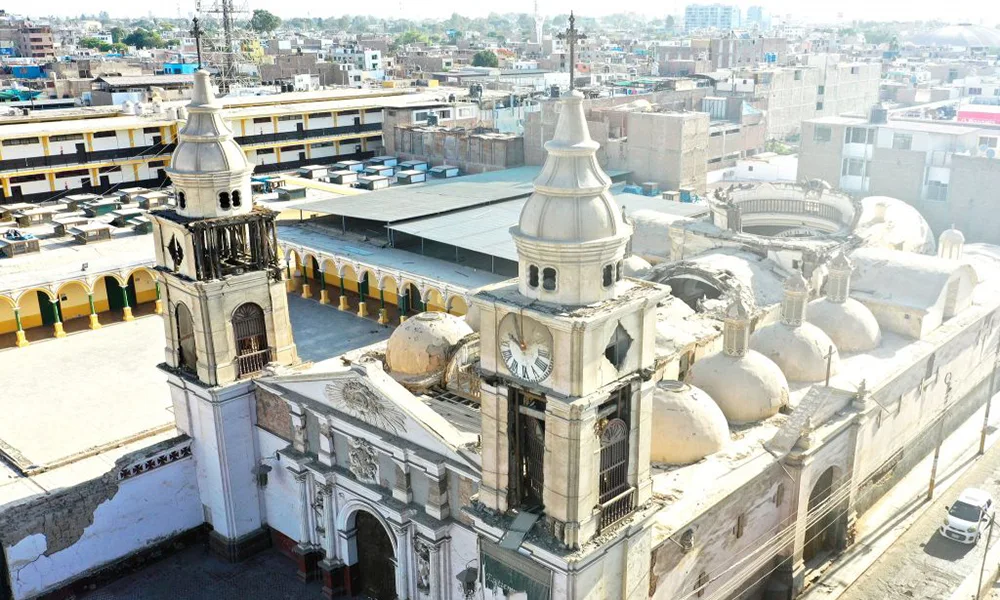
The history of coffee in Cusco is deeply intertwined with the migratory, social, and agricultural processes of Peru’s heartland. It is said that the first coffee trees arrived in La Convención between the late 19th and early 20th centuries, brought by settlers and missionaries from the central jungle. But it wasn’t until the 1950s that organized production began to consolidate, when Quechua families descended from the highlands to the warm slopes of the high jungle.
Amidst agrarian policies, internal colonization, and state neglect, coffee became a source of sustenance and a symbol of hope. The communities of Echarati, Quellouno, Santa Teresa, and many others transformed the tropical slopes into true jewels of coffee biodiversity. In 1967, COCLA was founded, a pioneering cooperative that enabled the direct export of organic coffee to Europe and the United States, revolutionizing fair trade in Peru.
Today, Cusco is considered one of the country’s leading specialty coffee producers, with award-winning Cup of Excellence beans grown between 1,200 and 2,000 meters above sea level, shade-grown, and without agrochemicals.
Milestones in Cusco’s coffee history:
- 1950s–1970s: Agricultural cooperatives strengthened. COCLA (Cooperativa Agraria Cafetalera La Convención) is a notable example, promoting organic production and fair trade.
- 1990s–2000s: Exports of certified coffee (organic and fair trade) increased. Wet and dry processing processes became more professional.
- 2010 onwards: Specialty coffee boom. Cusco won places in national and international competitions (including Cup of Excellence). Baristas, roasters, and micro-roasters emerged in Cusco city, focusing on traceability, micro-lots, and controlled fermentation.
Today, Cusco coffee is synonymous with quality, diverse sensory profiles, and a strong territorial identity, especially at altitudes between 1,200 and 2,000 meters above sea level.
Coffee map: Where is the best Cusco coffee produced?
La Convención (high jungle)
- Quillabamba: Tropical capital of the province. Coffee fairs, public cuppings, and easy access to farms.
- Echarati and Maranura: Historic cooperatives and family farms with experimental processes.
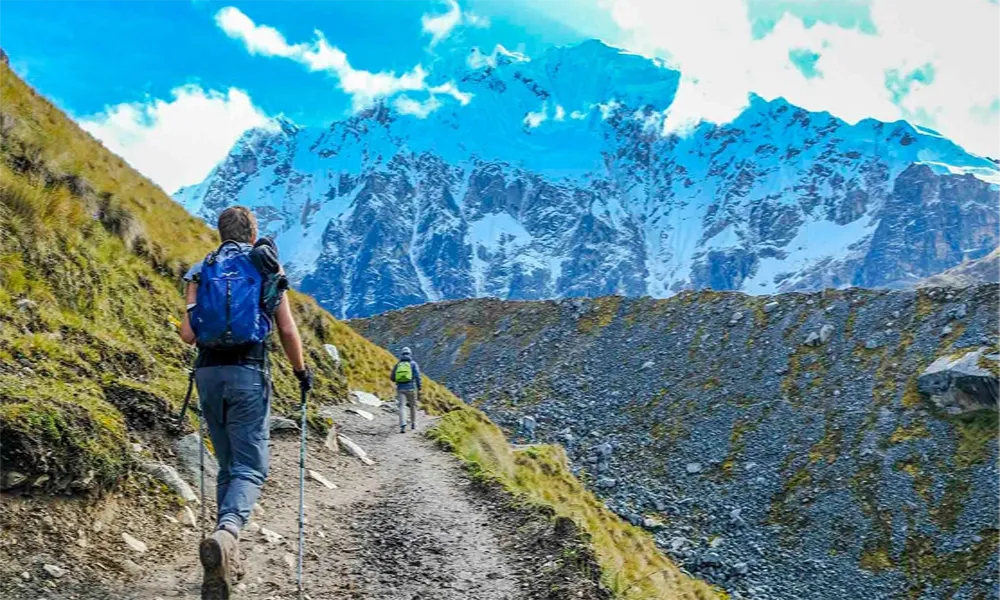
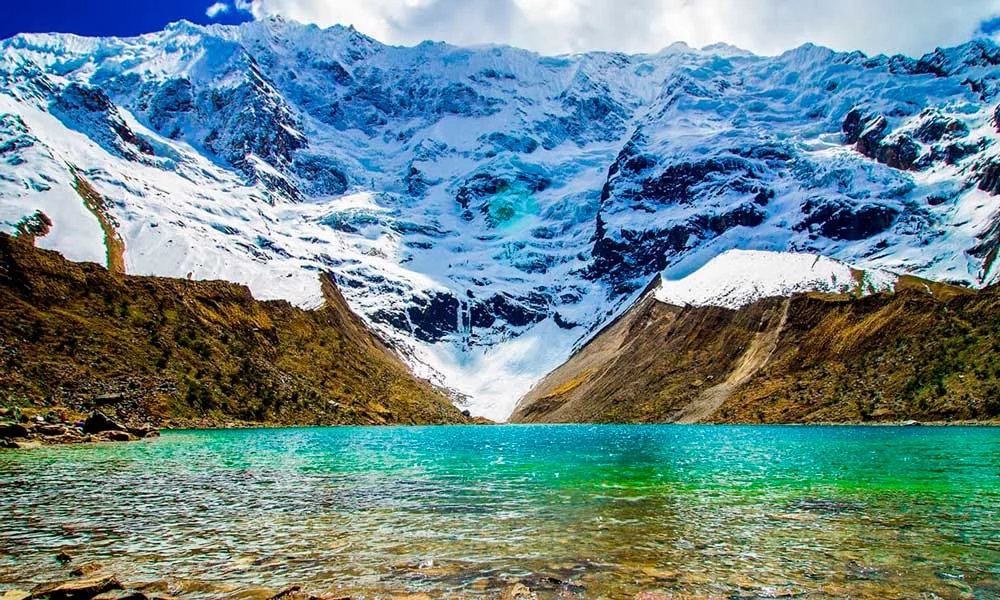
- Santa Teresa – Lucmabamba: Perfect for combining coffee + trekking (Salkantay / Choquequirao) + hot springs (Cocalmayo) + Machu Picchu.
- Yanatile (Calca province)
Less tourist-intensive. Very fine, floral, and fruity coffees grown at altitude. Ideal for those seeking intimate, rural experiences.Cusco City: The Specialty Coffee Scene
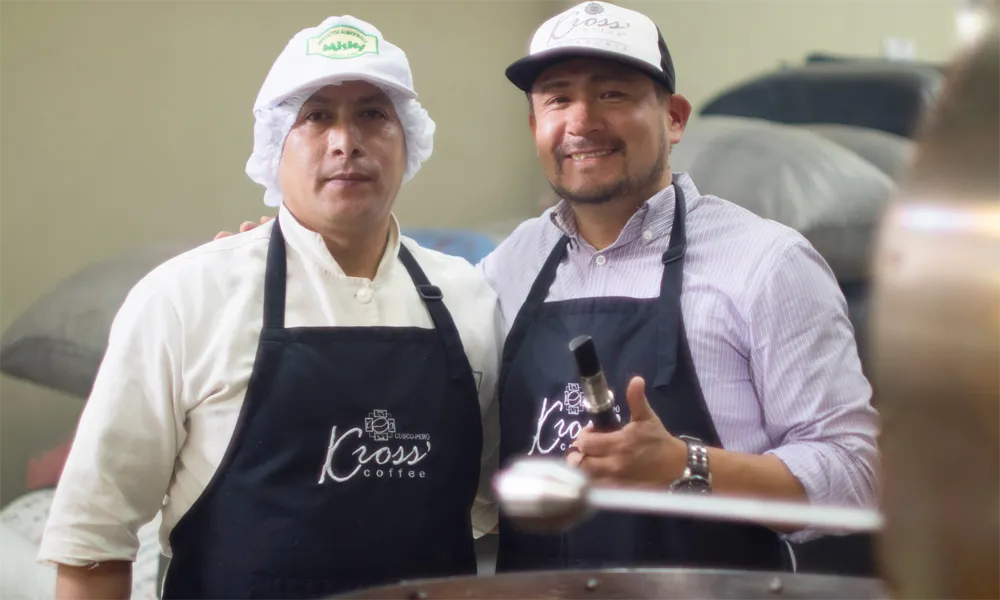
The presence of coffee shops like Kross Coffee has revitalized this scene. Thanks to their collaborative approach, many young baristas have found a platform in Cusco to share knowledge, while rural producers gain exposure through their beans. The synergy between the countryside and the city has strengthened Cusco’s coffee reputation nationally and internationally. The imperial city is the educational and sensorial hub where travelers understand what they are drinking: here, baristas explain profiles, roasters design curves, and coffee shops connect consumers with producers. It’s the ideal place to start (and end) your Coffee Route in Cusco.
Kross Coffee: The Best Coffee Shop in Cusco ⭐
Kross Coffee is our #1 coffee shop in Cusco for its comprehensive offering: it works with high-quality Cusco beans, offers precise extraction methods, has a team of educational baristas who share information, and maintains a young, creative, and welcoming spirit that attracts both travelers and locals.
What makes it unique?
Kross Coffee not only leads the coffee scene in Cusco, but is also a true ambassador for local products. At its bar, you’ll find specialty coffee roasted by the company, specifically from the Quellouno coffee-growing region, a valley renowned for its complex and aromatic beans. They also offer products from the renowned local brand Misky Cusco, such as artisanal chocolates, Andean jams, and exquisite peanut butter made with native ingredients from the region. This reinforces its commitment to sustainable development and the appreciation of the Cusco region.
What to order at Kross Coffee?
In addition to coffee in its many forms, you can pick up gourmet products from the Misky Cusco brand: organic chocolate bars, Andean herbal tea, and their delicious artisanal peanut butter—a favorite among travelers—made with ingredients harvested in the inter-Andean valleys of Cusco. The perfect way to bring a little piece of Cusco home with you.
Reference prices:
- Espresso/Cappuccino: S/ 10–18
- Filtered coffee: S/ 12–22
- Guided tastings: S/ 40–80
Expert tip: Go in the morning (before 11:00) or at dusk to chat more quietly with the baristas about fresh roasts and experimental fermentations.
Other recommended coffee shops in Cusco
Although Kross Coffee is our favorite, Cusco boasts a vibrant scene. These are serious options for expanding your urban itinerary:
- Mistik Café: a bar focused on Cusco micro-lots, handcrafted methods, and sensory education. Perfect for those seeking in-depth tasting and roasting.
- Three Monkeys Coffee: pioneers in popularizing specialty coffee among travelers, with a focus on espresso, filter coffee, and homemade desserts.
- L’Atelier Café Concept: coffee + art + views in San Blas. Ideal for teleworking and long breakfasts.
- Local micro-roaster cafes (ask them for their roasting dates): they’ll offer fresh beans to go.
How to get to the Coffee Route (Cusco → La Convención / Yanatile)
Cusco → Quillabamba
- Duration: 6–8 hours
- Means: Interprovincial buses / shared vans
- Price: S/ 40–60
- Suggested route: Cusco – Ollantaytambo – Santa María – Quillabamba
Santa Teresa / Lucmabamba (coffee route + Machu Picchu)
- Duration: 7–8 hours to Santa Teresa / Hidroeléctrica
- Price: S/ 40–80 combined transportation
Cusco → Yanatile (Calca)
- Duration: Approx. 5–7 hours
- Means: Local buses or private transportation
- Ideal for: Rural travelers looking for small farms, floral profiles, and intimate experiences.
Recommendation: During the rainy season (November–April), check road conditions and possible landslides.
Climate: When to Go and What to Bring
Cusco City (3,399 m above sea level)
- Dry Season: April–October (sunny days, cool nights)
- Rainy Season: November–March
- Essentials: sunscreen, windbreaker, thermal base layer, and constant hydration.
La Convención / Yanatile (high jungle)
- Warm and humid climate year-round.
- Best Season: May–October (less rain, better access).
- Bring: insect repellent, light raincoat, and non-slip shoes.
Experiences, Activities, and Prices
Coffee Farm Visit
- You will learn about cultivation, harvesting, pulping, fermentation, washing, drying, and storage.
- Price: S/ 120–250 / day (includes guide, farm lunch, and local transportation in some cases).
Professional Cupping
- You’ll discover sensory notes (citrus, floral, chocolate, panela, red fruits) and evaluate acidity, sweetness, body, and aftertaste.
- Price: S/ 40–80.
Roasting and Profiling Workshops
- Learn how the roasting curve shapes the cup. Experiment with small batches.
- Price: S/ 100–180.
Barismo for Travelers
- Fundamentals: ratio, grind, temperature, pressure, milk texturization, espresso dial-in.
- Price: S/ 80–150.
Coffee + Adventure Route (Santa Teresa)
- Cocalmayo Hot Springs, zipline, biking, trekking, and farm visits.
- Combined price: from S/. 180–350.
Suggested itineraries (1, 3, 5, and 7 days)
1 day (urban – express)
- Morning: Sensory introduction at Kross Coffee (tasting + micro-lot flight).
- Afternoon: Methods tour at Mistik Café. Purchase fresh beans to take away.
3 days (urban + a nearby farm)
- Day 1: Kross Coffee + Mistik (tastings, methods, barista chat).
- Day 2: Trip to Quillabamba. Visit to a cooperative (e.g., COCLA) + farm.
- Day 3: Roasting workshop + return to Cusco.
5 days (La Convención profunda)
- Day 1: Cusco – Quillabamba. Tropical city tour + local tasting.
- Day 2: Farm 1 (harvest, wet processing, drying). Overnight in rural lodging.
- Day 3: Farm 2 (roasting, professional cupping). Transfer to Santa Teresa.
- Day 4: Adventure: hot springs + zipline. Afternoon coffee in Lucmabamba.
- Day 5: Return to Cusco. Farewell espresso and tonic at Kross Coffee.
7 days (coffee + Machu Picchu)
- 5-day itinerary + Hydroelectric – Aguas Calientes – Machu Picchu – Cusco.
Recommended Hotels and Accommodations
In Cusco City
- Casa San Blas Boutique (San Blas): perfect for coffee lovers (close to top bars).
- Antigua Casona San Blas: colonial atmosphere, great breakfast.
- Tariq Boutique Hotel: views, design, and tranquility.
- Kids Hotel: social project + rustic charm.
In Quillabamba / La Convención
- Hotel Tunki: central, affordable.
- Eco-lodges on farms (Lucmabamba / Echarati): total immersion in coffee plantations.
Local cuisine to pair with your coffee
- Chuta bread + espresso
- Cusco cacao brownie + natural filter process
- Andean cheese + floral washed coffee
- Quinoa/cacao ice cream + affogato
- Tropical fruits (copoazu, papaya, passion fruit) + cold brew
Travel Tips
- Always ask for the roasting date. Fresh coffee = a better cup.
- Buy small quantities (250 g) to maintain freshness.
- Bring cash to rural areas (many don’t accept cards).
- Respect farm processes (do not touch drying beds, do not step on patios).
- Stay hydrated in Cusco (the altitude demands caution, even if you drink coffee).
- Book cuppings and workshops in advance during peak season (June–August).
Frequently Asked Questions
Is Cusco coffee truly specialty coffee?
Yes. Many Cusco beans have won awards in national and international competitions for their complexity and cleanliness in the cup.
Can you do the Coffee Route and Machu Picchu on the same trip?
Absolutely. Santa Teresa and Lucmabamba are ideal gateways to combine coffee + adventure + Machu Picchu (via Hydroelectric).
Do I need previous experience for a cupping?
No. The cuppings are designed for everyone. You learn while enjoying yourself.
Can I buy coffee directly from the producer?
Yes, at many farms and cooperatives. Also available at coffee shops like Kross Coffee, Mistik, and other coffee bars that work directly with origin.
What’s better: washed, honey, or natural?
There’s no “best”; it depends on the profile you like. Washed: clean, bright acidity. Honey: sweeter and fuller-bodied. Natural: fruity, vinous, with more depth and character.
Quick Coffee Glossary
- Microlot: small batch of coffee of exceptional quality and specific traceability.
- Traceability: complete information on the origin (producer, farm, altitude, process, variety).
- Cupping: standardized professional cupping.
- Roast Curve: temperature-time profile applied to the bean to develop its aromatic potential.
- Ratio: coffee/water ratio used in each brewing method.