Taquile Island, located in the majestic Lake Titicaca at 3,950 meters above sea level, is world-renowned for its ancient textile art, declared an Intangible Cultural Heritage of Humanity by UNESCO in 2005. Here, weaving is not just a craft: it is language, identity, and worldview. Taquile textiles preserve a legacy dating back to the Pukara, Colla, and Inca cultures, reflecting symbols that narrate the history, spirituality, and social organization of the island.
1. History of Taquile Textiles
The textile tradition on Taquile dates back more than 1,500 years, with roots in the pre-Inca peoples. During the Inca period, the island was integrated into the Tahuantinsuyu network, incorporating patterns and techniques such as the backstrap loom and woven needlework. Today, this heritage lives on intact:
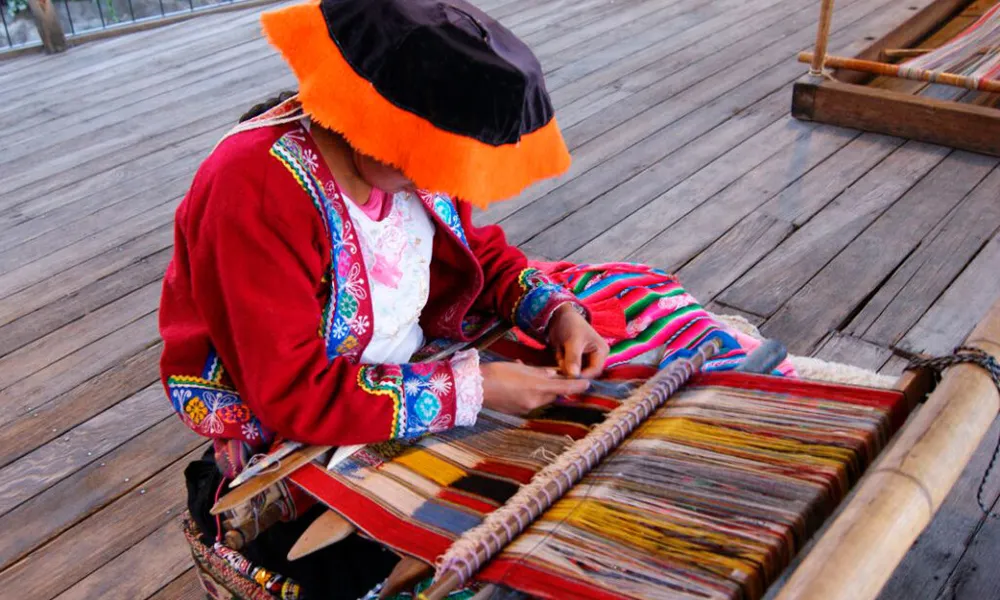
- Complementary roles: Men weave with skewers from childhood, making chullos and ceremonial hats; women spin wool and weave sashes (chumpis), mantles, and shawls on a backstrap loom.
- The language of weaving: Each garment communicates marital status, social role, and community affiliation. For example:
- Red and white chullo: singles.
- Completely red chullo: married.
- Dark caps: local authorities or leaders.
- The “calendar sash”: Known as a chumpi, it is one of the most symbolic pieces; its designs codify agricultural organization, rituals, and festivities.
- Rites and traditions: An ancient ritual involves the bride’s father testing the suitor’s chullo by pouring water over it; if it doesn’t pass, it means he is a good weaver and, therefore, a good future husband.
2. How to Get to Taquile
The island is located 35 km from Puno and is accessible only by lake:
- From the Port of Puno:
- Regular boat: 3 hours each way. Approximate price: S/30 round trip.
- Speedboat: 1.5 to 2 hours each way. Average price: US$40–US$55 with guide, lunch, and entrance fees.
- Combined Uros–Taquile Route (full day): Tour that includes a visit to the Uros Floating Islands and Taquile on a single trip. Approximate price: US$25–US$55 per person.
Important note: From the pier to the main square, you have to climb between 500 and 560 steps. It is recommended to acclimatize beforehand in Puno.
3. Climate and Best Time to Visit
- Dry season (April to November): Sunny days, clear skies, and cool nights. Average daytime temperature: 16°C–19°C.
- Rainy season (December to March): Green landscapes, but frequent showers, especially in the afternoons.
Recommendation: Due to the altitude, wear sunscreen, a hat, UV protection, and layered clothing year-round.
4. Must-See Attractions and Experiences
a) Main Square and Textile Cooperative
Unique pieces are sold here: chullos, chumpis, gloves, and shawls with labels certifying the designer. Prices are fixed, and haggling is not recommended to respect the artisanal work.
b) Weaving Workshops and Demonstrations
Some families offer hands-on workshops where travelers learn ancient techniques such as weaving and using a backstrap loom.
c) Viewpoints and Hikes
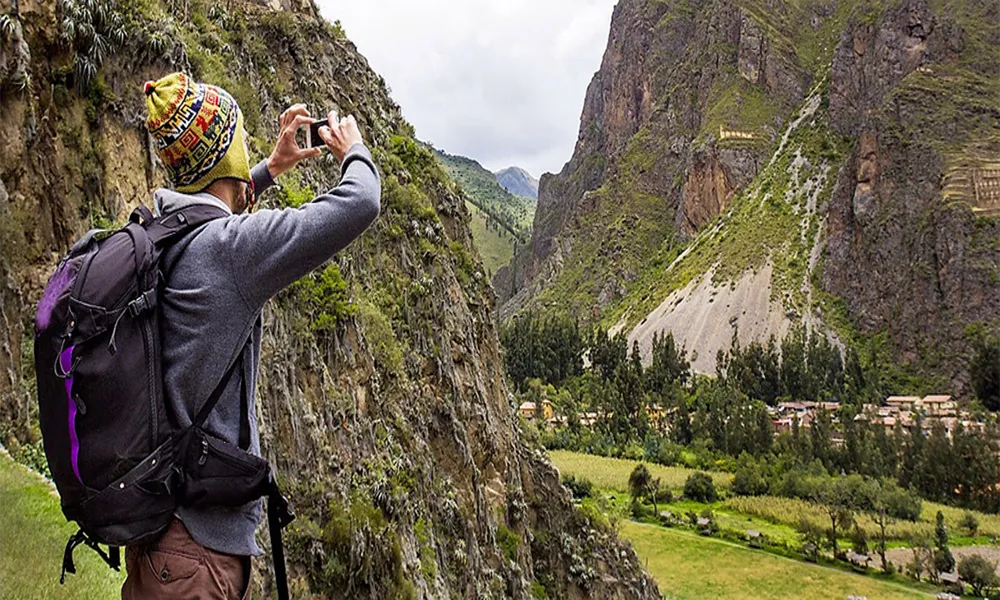
The trails offer panoramic views of Lake Titicaca, agricultural terraces, and stone arches that mark the traditional boundaries of their communities (communal sectors).
5. Approximate Prices 2025
Service Approximate Price
Regular boat Puno – Taquile S/30 round trip
Speedboat US$40 – US$55
Uros + Taquile full-day tour US$25 – US$55
Community lunch S/25 – S/35
Homestay US$20 – US$30 per night
Community entrance fee Included in most tours
6. Where to Stay
In Taquile (Community Tourism)
- Homestays: Single rooms, shared bathrooms, and local food included. Average price: US$20 – US$30 per person.
In Puno (Greater Comfort)
- GHL Hotel Lago Titicaca – Private island overlooking the lake.
- Casa Andina Premium Puno – Excellent location facing Lake Titicaca.
- Sonesta Posadas del Inca Puno – Ideal for couples and families.
- Taypikala Lago – Resort-style service and rooms with panoramic views.
7. Local Gastronomy
Taquile cuisine is simple but delicious, based on native products and lake catch:
- Quinoa soup.
- Fresh Titicaca trout (grilled, fried, or baked).
- Native potatoes accompanied by huacatay.
- Muña and coca infusions to combat altitude sickness.
8. Practical Travel Tips
- Acclimatization: Spend at least one night in Puno before visiting the island.
- Cultural Respect: Ask for permission before taking photographs and avoid haggling.
- Cash: There are no ATMs on the island; bring enough soles.
- Equipment: A hat, sunscreen, UV protection, warm clothing, and comfortable shoes.
- Sustainability: Don’t generate trash, use reusable bottles, and respect local customs.
9. Suggested Itinerary: Full Day with a Textile Focus
6:30–7:00 | Pickup from your hotel in Puno and transfer to the port.
7:15–8:45 | Sail to the Uros Islands (brief stop).
9:00–10:30 | Speedboat crossing to Taquile.
10:30–11:15 | Ascent along the platforms, with panoramic views.
11:30–12:30 | Demonstration of textile techniques in the main square.
12:30–1:30 | Community lunch: quinoa soup, trout, or vegetable omelet.
1:30–2:30 | Hike along natural trails and viewpoints.
3:00–5:00 | Return to Puno.
10. Frequently Asked Questions
Can I buy authentic textiles in Taquile?
Yes. All textiles have a label with the artisan’s name and a fixed community price.
Can you learn to weave during the visit?
Yes, in hands-on workshops offered by local families.
Is the hike difficult?
The ascent is moderate and requires some effort due to the altitude. It is recommended to take breaks and drink water regularly.