Areas Where Travel Is Advised Only If Essential for U.S. Tour
When planning a trip to South America, it’s important for travelers to know that there are areas in Peru where travel is advised only if essential. Although Peru is one of the safest and most beautiful countries to visit, some remote regions present specific risks due to limited infrastructure, illegal activity, or difficult access. Understanding which zones are fully open to tourism and which ones require caution helps U.S. tourists plan a safe and enjoyable journey across the country.Overall, Peru is a safe destination for international visitors. Major tourist zones such as Lima, Cusco, Arequipa, Puno, Iquitos, and the Sacred Valley receive millions of travelers every year without incident. Tourism infrastructure is strong, with reliable hotels, transportation, and licensed tour operators.
Nevertheless, some remote or border regions may present challenges such as illegal activity, limited law enforcement presence, or ongoing social unrest. Travelers are encouraged to stay updated on local conditions before venturing beyond standard tourist routes.
⚠️ 2. Areas Where Travel Is Advised Only If Essential
🧭 VRAEM Region (Apurímac, Ene, and Mantaro River Valley)
The VRAEM region covers parts of Ayacucho, Cusco, Junín, and Huancavelica. Despite its lush jungle landscapes, this area remains associated with illegal coca cultivation, drug trafficking, and isolated armed groups. Government presence is limited, and infrastructure for tourism is practically nonexistent.
Main Risks: Armed activity, limited emergency response, and poor road conditions.
Recommendation: Avoid visiting unless travel is strictly necessary. This area is not open to tourism.
🚫 Border Area with Colombia (Loreto Region)
The far northern Amazon region, near the Putumayo River and Datem del Marañón Province, borders Colombia and is considered a restricted area due to illegal cross-border activities. While Iquitos and Pacaya Samiria are safe and popular destinations, isolated communities deeper in the jungle are not suitable for unaccompanied travel.
Main Risks: Lack of law enforcement, illegal trafficking, and limited communications.
Recommendation: Visit only on certified tours with professional guides and official authorization. Avoid independent river navigation.
⚠️ Northern Border with Ecuador (Piura and Cajamarca)
Although the main cities such as Piura, Sullana, and Jaén are safe for tourists, some remote rural areas near the Ecuadorian border face issues like illegal mining and contraband routes.
Main Risks: Poorly maintained roads, lack of tourist services, and occasional smuggling activity.
Recommendation: Stick to main highways and official crossings. Avoid unmarked border paths or night travel in rural areas.
🚧 Border Zones with Brazil and Bolivia (Madre de Dios and Ucayali)
These jungle regions are known for their ecological diversity but also for illegal logging, informal gold mining, and smuggling. Infrastructure and healthcare are limited in the deeper jungle.
Main Risks: Environmental hazards, limited emergency access, and isolated illegal activity.
Recommendation: Choose certified lodges and eco-tours in Puerto Maldonado (Tambopata National Reserve) or Iquitos (Pacaya Samiria National Reserve), where tourism is regulated and safe.
🔥 Rural Provinces of the Central and Southern Andes
Some provinces in Ayacucho, Apurímac, and Huancavelica offer cultural authenticity but lack essential services such as paved roads, hospitals, and reliable transport. Occasional demonstrations or road blockades may occur.
Main Risks: Remote location, weather-affected routes, limited medical assistance.
Recommendation: Travel only with experienced agencies, notify your itinerary to your hotel or embassy, and monitor local updates.
🛡️ 3. Safe Tourist Zones in Peru
Despite the advisory areas, most of Peru is welcoming and safe for travelers. The following destinations are strongly recommended for U.S. visitors:
Cusco & the Sacred Valley: heart of the Inca Empire and gateway to Machu Picchu.
Arequipa & Colca Canyon: colonial charm and breathtaking Andean landscapes.
Lima & Callao: cultural museums, cuisine, and coastal nightlife.
Puno & Lake Titicaca: living traditions among Quechua and Aymara communities.
Iquitos & Tambopata: rainforest adventures with certified lodges and guides.
Trujillo & Chiclayo: archaeological treasures of the Moche and Chimú civilizations.
These zones have strong police presence, tourism infrastructure, and regular air or land connectivity.
🧳 4. Safety Tips for U.S. Travelers in Peru
Register your trip: Use the U.S. State Department’s STEP Program before traveling.
Book with licensed agencies: Ensure your operator is registered with MINCETUR(Peru’s Ministry of Tourism).
Avoid protests: If demonstrations occur, remain in your hotel and follow local authorities’ guidance.
Use reliable transport: Choose official taxis, hotel transfers, or recognized ride apps.
Protect your documents: Carry copies of your passport and keep valuables in your hotel safe.
Stay connected: Keep your phone charged and maintain contact with family or fellow travelers.
Know emergency numbers: Police (105), medical (106), and Tourist Police (0800-22221).
🏥 5. Health and Emergency Awareness
In high-altitude destinations like Cusco (3,400 m) or Puno (3,800 m), some travelers may experience mild altitude sickness. Drink plenty of water, avoid alcohol during the first day, and take it slow. If visiting the jungle, consult your doctor before the trip about vaccinations such as yellow fever and preventive medication for mosquito-borne diseases.
✨ Conclusion
Peru remains one of the most extraordinary destinations in the world — a land of ancient wonders, living cultures, and breathtaking nature. Millions of travelers visit safely each year, discovering a country where hospitality and history go hand in hand.
Knowing which areas are essential-travel-only allows you to plan confidently and responsibly. Traveling smart doesn’t mean traveling with fear; it means being prepared. With awareness, respect, and local guidance, you can experience the very best of Peru — from the peaks of the Andes to the depths of the Amazon — safely and with unforgettable memories.
An excellent place to rest Marvelous Hotel Cusco is a budget-friendly accommodation located in the historic center of Cusco, just a 7-minute walk from the Plaza de Armas and near the Central Market of San Pedro. It has an average rating of 8.0 out of 10 on platforms like Hotels.com, appreciated for its good value and friendly staff.✅ ProsCentral location: Perfect for exploring Cusco on foot, with easy access to tourist attractions and local services.Panoramic views: The rooftop terrace offers stunning views of the city—one of the hotel’s highlights.Reliable Wi-Fi: Strong internet connection, reportedly good enough for video calls.Helpful staff: Guests describe the team as kind and helpful, assisting with tour bookings and luggage storage.⚠️ Things to ConsiderCold rooms: Like many places in Cusco, the rooms can get quite cold at night due to the lack of heating.Noise issues: Some guests mentioned thin walls or poor sound insulation, which can affect sleep quality.Cleaning standards vary: While many guests found the rooms clean, others noted that the bathrooms could be better maintained.🧳 Best ForTravelers on a budget looking for a central location with basic but sufficient amenities. It's especially convenient for those planning to do hikes like the Inca Trail or Salkantay Trek, as the hotel offers free luggage storage during the tours.
Publicado en Tripadvisor
Mariela H
Verificada
Un viaje maravilloso, que fue inolvidable con Maravilloso Perú. Tuve una experiencia increíble con esta agencia de viajes. Desde el primer contacto, la atención fue muy profesional y amable. El guía era excelente: conocedor, divertido y siempre asegurándose de que todos estábamos cómodos y disfrutando del recorrido. Además, el recorrido estuvo muy bien organizado, con tiempo adecuado y paradas interesantes. El precio era muy justo por la calidad del servicio y todo incluido. Sin duda los volvería a elegir para mi próxima aventura, muy recomendable!
Publicado en Tripadvisor
Tourist64240670588
Verificada
SALKANTAY TREKKING UNA CAMINATA INCA MEMORABLE ¡¡¡¡SUPER RECOMENDADO!!!! Experiencia increíble en la caminata, impresionante servicio, desde la hora de recojo y el guía Fernando un excelente profesional.Conocer los andes de Perú , es algo que te llevaras en la memoria para siempre, es un viaje por las montañas donde recorrieron los incas, y hasta el día de hoy aun se siente la esencia de los antepasados incas.Lo super recomiendo!!!
Publicado en Tripadvisor
Keyla C
Verificada
Mi mejor experiencia Estoy encantada Me ayudaron y siempre estuvieron pendientes de todo . Salió increíble, no tuve que preocuparme por nada. Siempre volvería a viajar con esta agencia ..
Publicado en Tripadvisor
saidcha C
Verificada
El viaje inolvidable de mis sueños con el Perú Maravilloso Tuve una experiencia maravillosa con esta agencia de viajes. La calidad del servicio fue excelente, con cada detalle cuidadosamente preparado para garantizar una experiencia cómoda y enriquecedora. El guía fue uno de los momentos más destacados del tour: tuvo un conocimiento profundo de cada sitio que visitamos y lo compartió de una manera clara, entretenida y apasionada. Me sentí seguro en todo momento, ya que el equipo siguió bien - protocolos definidos y siempre estuvo atento al bien - estar del grupo. La planificación fue impecable: se cumplieron los horarios, el itinerario fue equilibrado y no hubo contratiempos. En cuanto al precio, me pareció muy justo y accesible teniendo en cuenta todo lo que estaba incluido, y además ofrecían opciones que se adaptaban a diferentes presupuestos. También me pareció notable la accesibilidad del tour, con instalaciones para personas con movilidad reducida y atención personalizada. Una experiencia que sin duda repetiré.
Publicado en Tripadvisor
Victor Padoveze
Verificada
Melhor do que esperavamos! Uma região muito diferente das demais, bem interessante de escutar e aprender sobre a história local, são MUITAS piscinas que estão ali desde a época pré-inca, mais de 3.000, e o mais mágico é que mantém a renda de centenas de família por anos e anos.
Publicado en Tripadvisor
Marcial Ata Cusi
Verificada
Una experiencia inolvidable Tomamos la opción de contar con la organización de nuestro tour a Machupicchu con la agencia Marvelous travel, fue una experiencia extraordinaria, nos brindó toda la información desde el día que nos contactamos, el guía que nos tocó para visitar la ciudad inca de Machupicchu nos asistió en todo momento de nuestro viaje, nos encantó su atención y la información que nos dio a cerca de Machupicchu. gracias por toda la atención brindada estamos muy agradecidos mi pareja y yo.
Publicado en Tripadvisor
hebert c
Verificada
Super Walli es un gran guía turístico en cusco Tuvimos un día fabuloso con un super él un grest wally! Recogida rápida, explicación exhaustiva del día. Cuando empezamos nuestra caminata, él tuvo especial cuidado para asegurarse de que todos en el grupo estaban haciendo bien. Algunos caminaban, otros tomaban este camino. Él se aseguró de que supiéramos dónde encontrarnos en cada punto de control... es un gran guía turístico...
Publicado en Tripadvisor
Pablo P
Verificada
La mejor excursión La visita fue inolvidable en compañía de nuestro guía Alex siempre pendiente del grupo muy amable alegre servicial y sabe mucha historia recomendable
Publicado en Tripadvisor
Nilton C
Verificada
Exelente servicio Fue una linda experiencia lo disfrutamos a lo máximo fue inolvidable, recomendamos hacer los viajes, la comida, nuestro guía fue lo mejor
Publicado en Google
Gimena Rojas
Trustindex verifica que la fuente original de la reseña sea Google.
Doing the Salkantay Trek to Machu Picchu was one of the most unforgettable experiences of my life, and a big part of that was thanks to the outstanding service and care provided by Marvelous Peru. From the very first contact, their team was professional, friendly, and informative. They answered all of our questions quickly and gave us clear, detailed information about the itinerary, what to pack, and what to expect on the trail.
The logistics were flawless — every transfer was on time, the campsites were well set up, and the support team was incredibly kind and helpful throughout the journey. A special mention goes to our guide, who was not only knowledgeable about Inca history, the local flora and fauna, and the geography of the Andes, but also passionate and deeply connected to the region's culture. His insights truly enriched our experience.
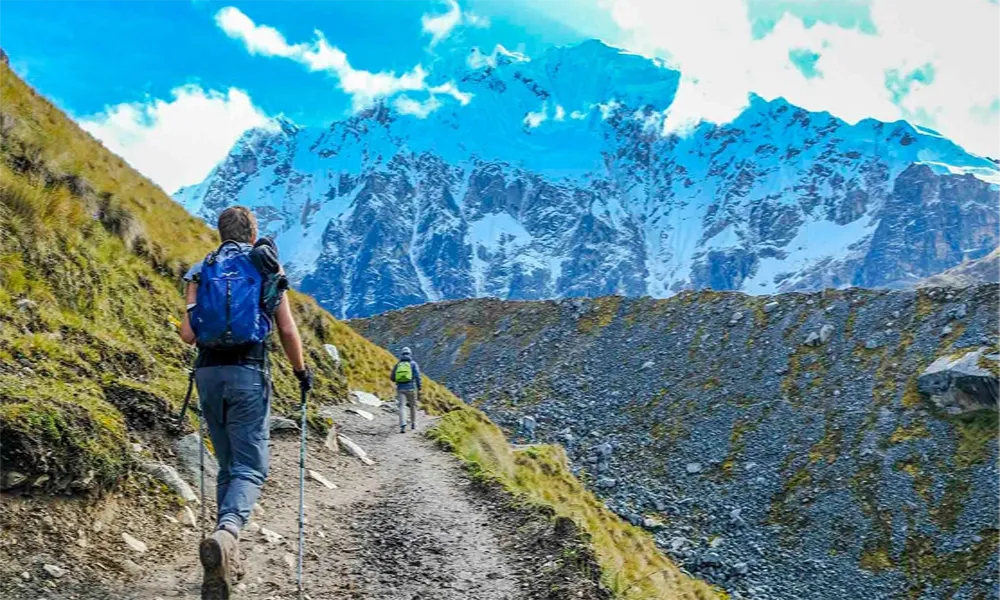
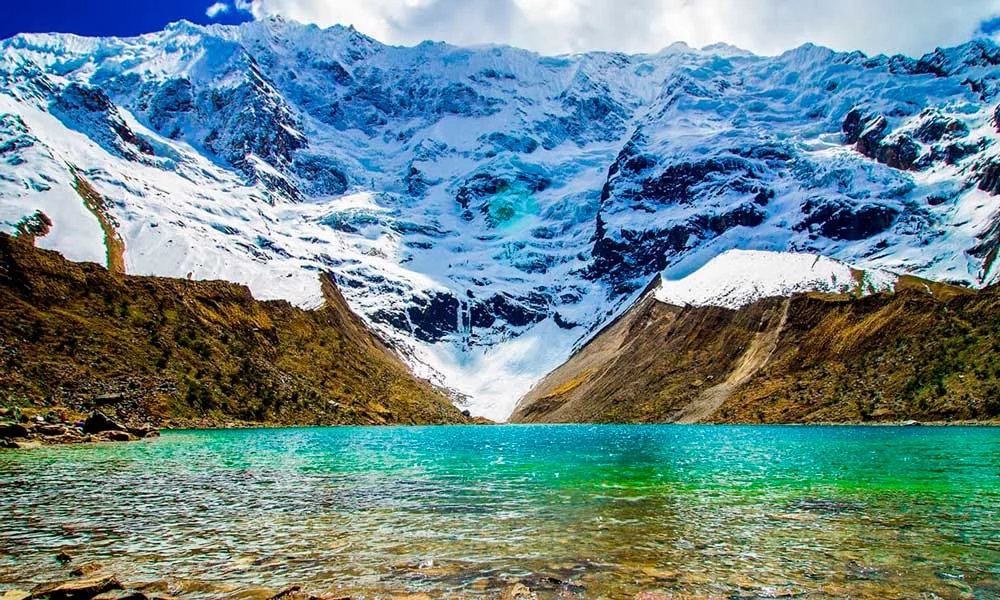
The trek itself was absolutely breathtaking. Each day brought new landscapes: from the snow-capped peaks of the mighty Salkantay Mountain to lush cloud forests, turquoise glacial lakes, and ancient Inca trails. The route was well-paced, with plenty of breaks, and we always felt safe and supported. It’s a physically challenging trek, but Marvelous Peru made sure everyone was comfortable and well taken care of.
One of the highlights was definitely the food. Considering we were in remote mountain areas, the meals exceeded all expectations. Every dish was fresh, flavorful, and thoughtfully prepared. There were generous portions, local flavors, and even vegetarian options — a huge plus for some of us in the group. Our camp chef deserves a medal!
Reaching Machu Picchu on the final day felt incredibly rewarding. After five days of hiking through such diverse and awe-inspiring terrain, standing before one of the world's wonders felt even more magical. It was the perfect end to a journey that tested us physically and rewarded us spiritually.
I wholeheartedly recommend Marvelous Peru to anyone considering the Salkantay Trek. Their passion, organization, and genuine care for their travelers truly set them apart. If you want to discover the beauty of the Andes and Machu Picchu in a way that’s immersive, authentic, and unforgettable, go with Marvelous Peru. You won’t regret it.
Publicado en Google
Sergio Prado
Trustindex verifica que la fuente original de la reseña sea Google.
The guide had so much knowledge and heart-he brought the trail to life
Publicado en Google
Marilyn Astudillo
Trustindex verifica que la fuente original de la reseña sea Google.
I didn’t expect to enjoy the food on a mountain trek so much. Every meal was amazing.
Publicado en Google
yosgali rebeca boza carpio
Trustindex verifica que la fuente original de la reseña sea Google.
Exelente
Publicado en Google
Noce Tampoco ce
Trustindex verifica que la fuente original de la reseña sea Google.
Everything was so well organized, and the views were absolutely unforgettable.
Publicado en Google
Alexander Quispe R.
Trustindex verifica que la fuente original de la reseña sea Google.
Reserve el tour de Salkantay de 5D/4N fui con el el mejor Guía Pablo tube una experiencia Maravillosa y en nuestra visita a Machupicchu tuvimos un clima espectacular recomiendo la compañía 🥳😃😃😃buena organización 🤗
Publicado en Google
nilton abelardo ccopa lopez
Trustindex verifica que la fuente original de la reseña sea Google.
Una excelente experiencia recomendamos hacer los viajes con la compañía, servicio de calidad
Publicado en Google
Ivn_ Nghtmr
Trustindex verifica que la fuente original de la reseña sea Google.
The Salkantay Trek with Marvelous couldn't have been better thanks to our incredible guide, Daniel. Honestly, I've never had such a great guide. Daniel is so warm, cheerful, and energetic. He wasn't just a guide, but part of our trekking family—many guides could learn something from him!
Aside from that, our group was very personable, young, and motivated. The private cooks traveling with us prepared amazing food, and there was always enough of it. I've never eaten so well on a trek. Only in the last few days, when the cooks left and provided us with food at the restaurant, did the quality of the food really suffer compared to before.
The accommodations were good, the sleeping bags provided were sufficient, and Daniel, our guide, tailored the route to our group's needs so everyone was satisfied.
Publicado en Google
Rodri22plex
Trustindex verifica que la fuente original de la reseña sea Google.
Uma exelente agência, fiz Salkantay trek de 5 dias e foi uma das melhores esperiencias que tive, recomendo.
Publicado en Google
hebert castro ayme
Trustindex verifica que la fuente original de la reseña sea Google.
Una Agencia muy buena , si desea realizar sus viajes en cusco les recomiendo a la agencia Marvelous peru ,