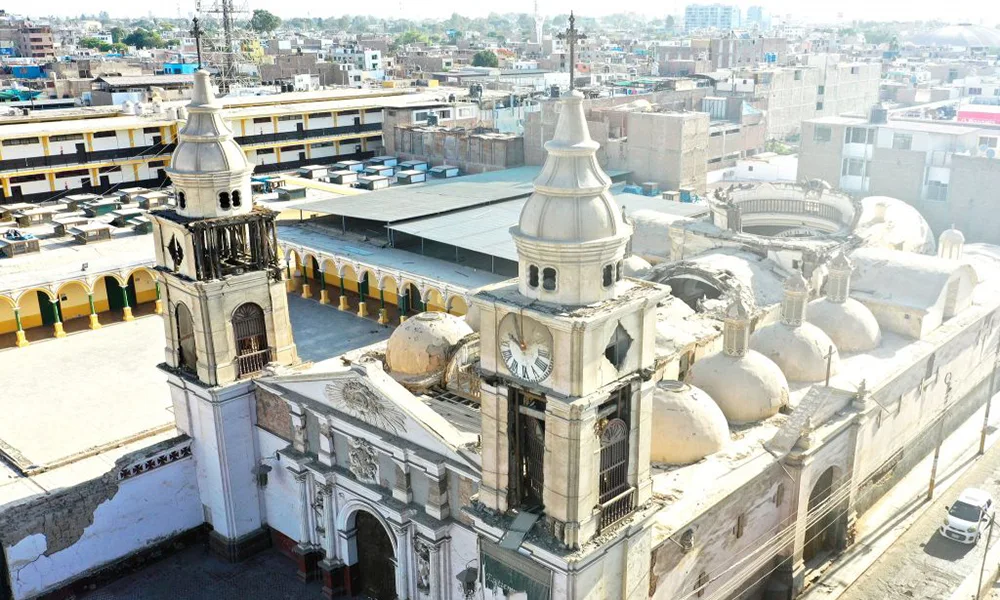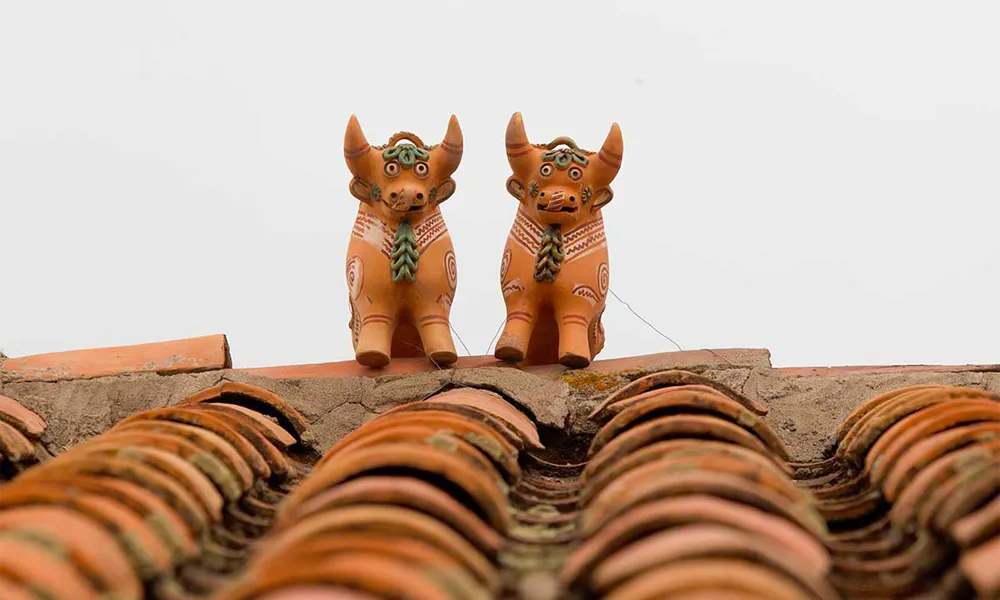
The Torito de Pucará is much more than a simple Andean craft. It is a symbol of protection, abundance, and prosperity, deeply linked to the history and worldview of the Peruvian Altiplano. Traditionally placed in pairs on the roofs of houses, it represents family unity, the fertility of the earth, and spiritual balance. In this complete guide, you will find detailed history, directions, weather, tourist attractions, updated prices, recommended activities, hotels, local cuisine, travel tips, and naturally integrated SEO elements.
1. Meaning and origin of the Torito de Pucará
The Torito de Pucará has its roots in the Pukara culture, a pre-Incan civilization that flourished between 500 BC and 200 AD in the Puno plateau. The ancient inhabitants worshipped fertility, abundance, and the protection of the home through ceramic zoomorphic figures, the bull being one of the most representative.
Ancestral Symbolism
- Prosperity and abundance: They represent the fertility of the earth, good omens for harvests, and family abundance.
- Protection of the home: They are placed in pairs on roofs, accompanied by a cross, a ladder, and a jug as symbols of faith, progress, and celebration.
- Union and duality: The pair of toritos reflects Andean complementarity: masculine-feminine, earth-sky, sun-moon.
In 2019, the Ministry of Culture declared the traditional techniques for making Toritos de Pucará as National Cultural Heritage. Furthermore, March 18th was established as National Torito de Pucará Day.
2. Where is Pucará and how to get there?
The Pucará district is located in the province of Lampa, Puno region, at 3,900 m above sea level, right on the route between Cusco and Puno, making it an ideal stopover for travelers traveling along the Ruta del Sol.
Main Distances
- From Cusco: 390 km (approx. 7 hours by tourist bus).
- From Puno: 108 km (approx. 1 hour 45 minutes).
- From Juliaca: 61 km (approx. 1 hour).
How to Get There
- Ruta del Sol Tourist Bus
- Includes guided tours to intermediate attractions: Andahuaylillas, Raqchi, La Raya, and the Pukara Lithic Museum.
- Reference price: between USD 45 and USD 99 depending on the operator and type of service.
- Local Buses
- From Cusco, Puno, or Juliaca: the most economical option, with fares from S/. 25 to S/. 40 each way.
3. Climate and Best Time to Travel
Pucará’s climate is cold and dry due to its altitude. The days are sunny, but nights can reach temperatures below zero.
- Dry season: May to October. Ideal for exploring the town and visiting artisan workshops.
- Rainy season: November to March. The landscape is greener, but the roads can be slippery.
Practical Tip: Bring layers of thermal clothing, sunscreen, a hat, sunglasses, and a water bottle.
4. Tourist Attractions in and around Pucará
a) Pucará Lithic Museum
- Exhibits monoliths, zoomorphic sculptures, and pottery from the Pucará culture.
- Hours: Tuesday to Sunday, 8:30 a.m. to 5:30 p.m.
- Admission:
- Adults: S/ 10
- Students: S/ 5
- Children and schoolchildren: free
b) Kalasaya Archaeological Site
- Ceremonial center with pyramids and enclosures that showcase the religious power of the Pukara culture.
- Admission included in the museum ticket.
c) Plaza del Torito and artisan workshops
- Here you can see giant sculptures, visit family workshops, and purchase a handmade bull.
- Average price for an authentic bull:
- Small: from S/ 25
- Medium: from S/ 60
- Large: between S/ 150 and S/ 300
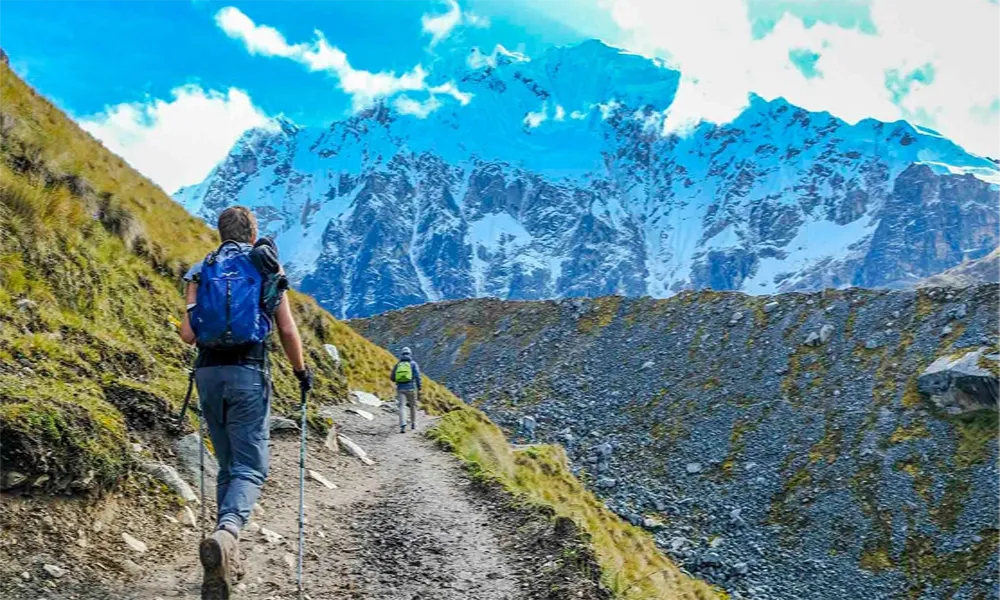
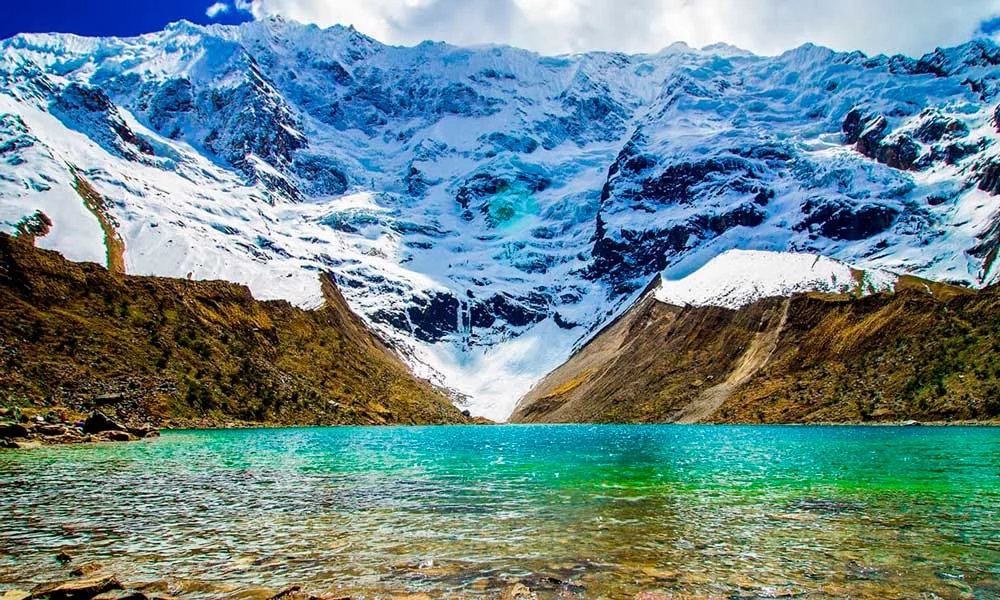
d) Abra La Raya (4,335 m a.s.l.)
- Natural viewpoint where you can appreciate Andean snow-capped mountains.
- Often included as part of the Ruta del Sol (Sun Route).
5. Recommended Activities
- Guided tour of the Lithic Museum and the archaeological site.
- Visits to artisan workshops and direct purchases from master ceramists.
- Photography in the Plaza del Torito and the traditional village.
- Tasting of Ayaviri kankacho in Ayaviri, just 45 minutes from Pucará.
- Integrating the experience into the Cusco–Puno Route of the Sun.
6. Local Gastronomy
The area is renowned for its highland cuisine:
- Ayavireño kankacho: lamb baked in a chili and spice marinade.
- Puneño chairo: thick soup with chuño, meat, mote, and broad beans.
- Quinua fish: thick quinoa cream accompanied by fresh cheese.
- Lake Titicaca trout: prepared fried or grilled, accompanied by native potatoes.
Average price per dish: between S/ 20 and S/ 45.
7. Recommended Hotels near Pucará
As Pucará is a small town, accommodation options are limited. The best options are in Puno, Ayaviri, and Lampa.
In Puno (greatest selection and comfort)
- Casa Andina Premium Puno
- Sonesta Posadas del Inca Lake Titicaca
- Hotel Hacienda Plaza de Armas
Average price: from USD 60 to USD 120 per night.
In Ayaviri (closest to Pucará)
- Hotel Reyna
- Hostal Samaritano
Average price: from S/ 70 to S/ 150 per night.
8. Travel Tips
- Acclimatization: Spend at least one night in Puno or Cusco to avoid altitude sickness.
- Shop responsibly: Buy toritos signed by the artisan; this way you support the local economy.
- Beware of imitations: Avoid industrial pieces; authentic ones are made in family workshops.
- Cultural Respect: Ask for permission before taking photographs at local workshops or ceremonies.
9. Recommended Itinerary (1 day)
7:00 a.m. – Departure from Puno or Cusco along the Ruta del Sol.
9:30 a.m. – Visit the Pukara Lithic Museum and tour the archaeological site.
11:30 a.m. – Walk through Plaza del Torito and visit artisan workshops.
1:00 p.m. – Traditional lunch: try kankacho in Ayaviri.
3:30 p.m. – Stop at Abra La Raya for photographs.
6:00 p.m. – Return to Puno or connect to Cusco.ll