Complete Tourist, Cultural, and Historical Guide
Dances of Peru: The Most Complete Tourist, Historical, and Cultural Guide
The dances of Peru are not simple spectacles: they are living expressions of the soul of a diverse country, moving rituals that connect the past with the present. Through rhythm, costumes, music, and steps, each dance tells a story that has been passed down from generation to generation.
From the Pacific coast to the Andean heights and the depths of the Amazon, Peru has preserved an incomparable dance richness. Therefore, traveling to Peru not only means contemplating the landscapes or tasting its cuisine, but also experiencing its culture through each regional choreography.
🕰️ History of Peruvian Dances: From Myth to National Identity
🔹 Pre-Hispanic Roots
For millennia, pre-Incan cultures developed dances linked to agriculture, solar cycles, and tutelary gods. For example, on the northern coast, the Mochicas represented mythical battles and fertility with ritual dances. At the same time, in the southern highlands, the Aymara and Quechua peoples practiced dances related to the harvest, rain, and the stars.
These dances were not entertainment: they were systems of spiritual communication. Furthermore, they were performed in ceremonial plazas, accompanied by instruments such as bone quenas, leather drums, and reed flutes.
🔹 Inca Period: Dance as Politics and Religion
During the Inca Empire, dance was institutionalized. Each province of Tawantinsuyo was required to provide dancers for the great festivities in Cusco. Thus, dance became a tool of imperial unity and ritual expression. The Inti Raymi, for example, brought together thousands of people who danced for days to honor the sun god.
Furthermore, the Incas passed on dance as an art of cohesion among the conquered peoples. However, many of these expressions were modified after the arrival of the Spanish.
🔹 Colonial Influence: Mestizaje and Resistance
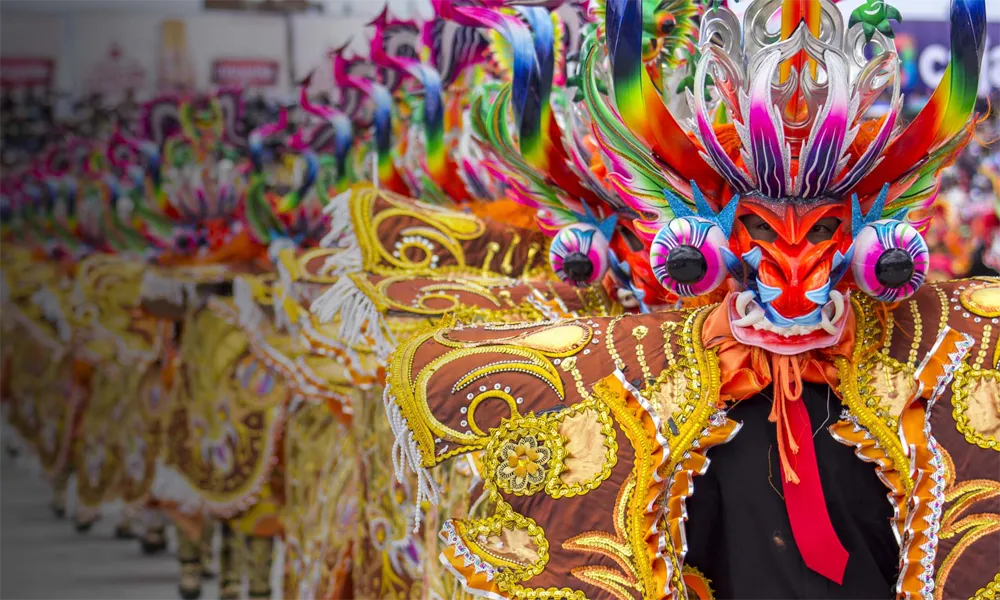
Beginning in the 16th century, dance adapted. On the one hand, the Spanish introduced new instruments, such as the violin, guitar, and harp. On the other hand, they attempted to suppress dances considered pagan. As a result, many indigenous expressions adopted Christian or allegorical costumes to survive. From this syncretism, dances such as the Diablada and the Qhapaq Negro were born.
Meanwhile, on the coast, Afro-descendant communities developed new expressions, such as the festejo, the landó, and the alcatraz, blending African, Spanish, and indigenous influences.
🔹 20th Century: Visibility, Folklore, and Professionalization
During the 20th century, the rise of cultural nationalism revalued regional dances. Dance schools, competitions, and festivals were created. In addition, institutions such as the National Folkloric Ballet and the National Marinera Competition were founded in Trujillo.
At the same time, many communities began to document and protect their own traditions. Consequently, some dances, such as the Huaconada de Mito and the Danza de las Tijeras, were recognized as Intangible Cultural Heritage of Humanity by UNESCO.
📍 Dances by Region of Peru
🌊 1. Coast: Rhythm, Flirting, and Afro-Peruvian Heritage
The Peruvian coast, with its warm climate and festive spirit, is the birthplace of dances where body and music blend naturally. In this region, mestizo and Afro-Peruvian dances are found that stand out for their sensuality, vibrant rhythm, and light clothing.
- Marinera norteña (Trujillo): a symbol of elegance, seduction, and skill with the handkerchief.
- Festejo (Lima – Chincha): an energetic, celebratory Afro-Peruvian dance, full of footwork and strength.
- Tondero (Piura): A blend of guitar, heartfelt singing, and free choreography.
- Alcatraz: Playful, daring, with live fire as part of the staging.
Where to see them?
- Peñas criollas in Lima.
- National Marinera Competition in Trujillo (January).
- Afro-Peruvian festivities in Chincha (October).
🏔️ 2. Sierra: Devotion, Strength, and Symbolism
The Peruvian highlands are probably where the largest number of traditional dances are concentrated. Each town, each valley, has its own dances. Some are ritual, others satirical, many are linked to religious festivals or agriculture.
- Danza de las Tijeras (Ayacucho – Apurímac): Acrobatic, defiant, mystical.
- Huaconada (Junín): A dance of moral renewal, with masks and canes.
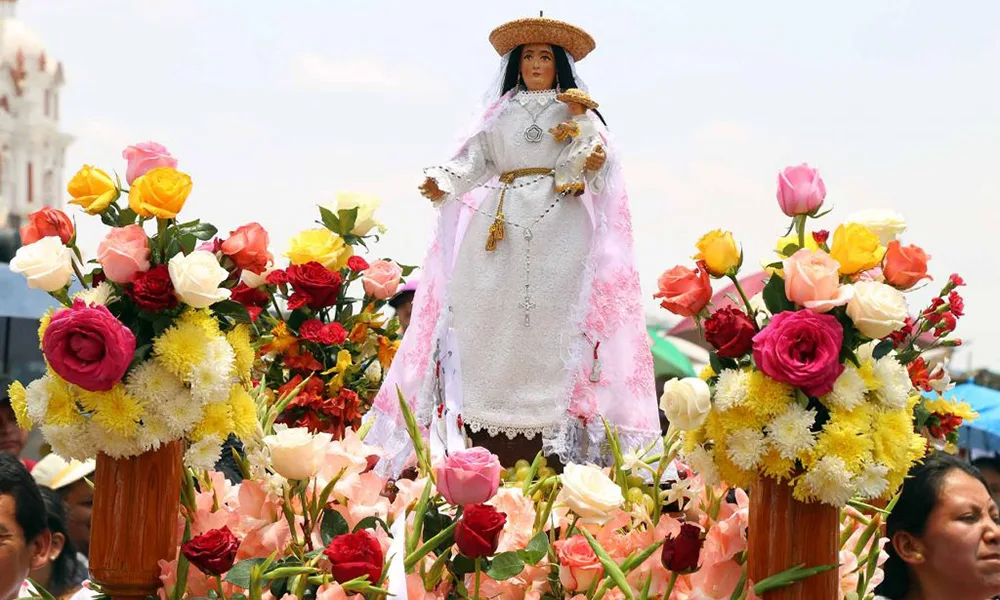
- Qhapaq Qolla / Negro / Saqra (Cusco): Representations of identity, mestizaje, and satire during Corpus Christi and the Virgin of Carmen.
- Wititi (Arequipa): Courtship dance with floral costumes and circular steps.
- Shapis, Huaylas, Caporales, Morenada (Puno – Junín): an explosion of color, altiplano music, and synchronized choreography.
When to see them?
- January: Huaconada.
- February: Candelaria (Puno).
- June: Corpus Christi, Qoyllur Rit’i, and Inti Raymi.
- July: Virgen del Carmen in Paucartambo.
🌴 3. Amazonia: Dances of the Jungle and the Spirit
In the Peruvian Amazon, dances are an extension of life. Therefore, every movement, every rhythm, represents the connection with the earth, the animals, the rivers, and the ancestors.
- Amazonian Gang (Iquitos – Tarapoto): danced in circles during festivals like San Juan.
- Ritual dances (Shipibo, Yanesha, Awajún): linked to traditional medicine, the jungle, and ancestral songs.
- Masato, Pijuayo, and Otorongo dances: local expressions of indigenous peoples, each with its own worldview.
🎉 Dance Festival Calendar 2025
Month Festival Region Dances
January Marinera Trujillo Northern Marinera
January Huaconada Myth (Junín) Huaconada
February Candelaria Puno Caporales, Diablada
March-April Holy Week Ayacucho Regional Dances
June Inti Raymi Cusco Inca Representation
June Corpus Christi Cusco Qollas, Saqras
June San Juan Iquitos Amazonian Gang
July Virgen delCarmen Paucartambo Chunchos, Qhapaq Qolla
October Creole Song Day Lima Celebration, Marinera
🏨 Accommodation, Gastronomy, and Recommendations
🏡 Suggested Hotels
City Economic Middle High
Lima Selina Casa Andina JW Marriott
Cusco El Triunfo Tierra Viva Belmond Monastery
Puno Pacha Suites Casa Andina GHL Lake Titicaca
Trujillo Backpacker Costa del Sol Wyndham
🍲 Cuisine by Region
- Lima – Coast: Ceviche, carapulcra, tacu tacu.
- Cusco – Sierra: Chiriuchu, baked guinea pig, quinoa soup.
- Puno – Altiplano: Trout, cancacho, chairo.
- Iquitos – Jungle: Juane, tacacho with cecina, inchicapi.
🎒 Key Tips
- Wear comfortable clothing for altitude (Cusco, Puno).
- Reserve in advance for large festivals.
- Do not take photos during ritual dances without permission.
- If possible, take short classes at local academies.
❓ Frequently Asked Questions
Can I participate in the dances?
Only in classes or tourist performances. For ritual festivals, you must belong to the community.
Where can I take Peruvian dance classes?
In Lima, Cusco, and Trujillo, there are academies that offer classes for tourists.
Do the dances change seasonally?
Yes. Each dance is linked to a specific date in the Andean, Christian, or agricultural calendar.
Are there specialized dance tours?
Yes. Some operators offer themed tours based on festivals (Paucartambo, Candelaria, Corpus Christi, among others).