What is Manu National Park and why is it so important globally?
If you’re looking for the most authentic Amazonian experience in the world, you’re not alone. Many travelers are torn between different reserves in South America. Here you’ll discover what Manu National Park is, why it’s considered one of the most biodiverse places on the planet, and everything you need to know before visiting in 2026.
🌎 What is Manu National Park and why is it so important?
Manu National Park is a protected natural area located between the Cusco and Madre de Dios regions in southeastern Peru. It has been declared:
- A UNESCO World Heritage Site (1987)
- A Biosphere Reserve (1977)
🌱 Global Importance
- It is home to more than 1,000 bird species (a world record).
- More than 200 mammal species, including jaguars and monkeys.
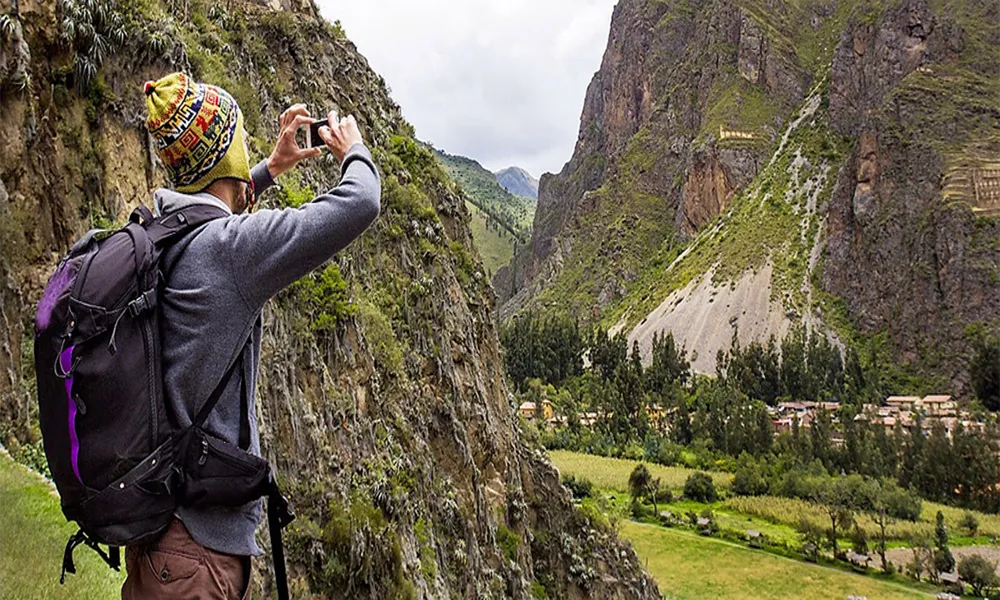
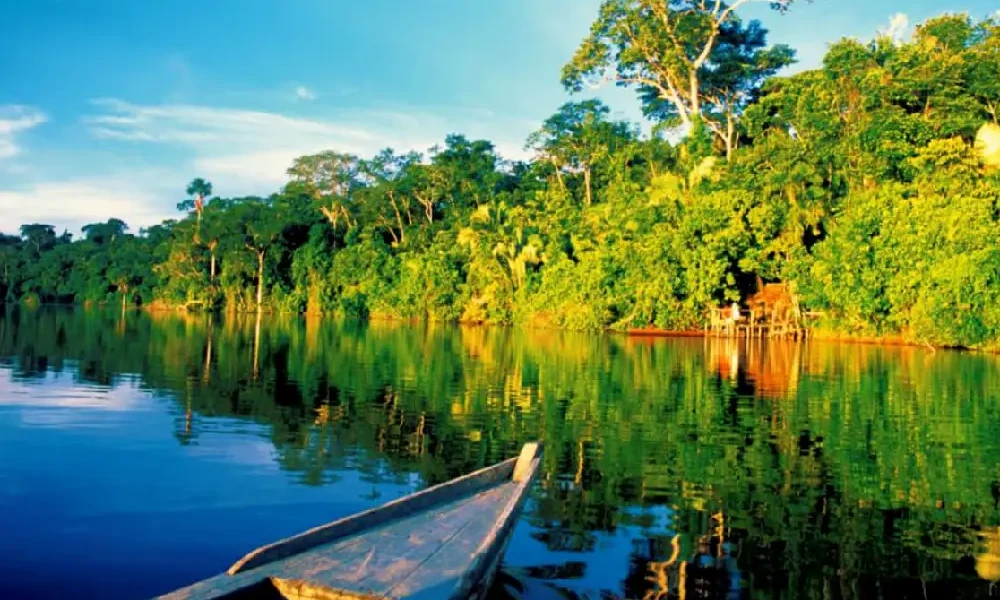
- One of the few places where Andean ecosystems, cloud forest, and intact Amazon rainforest coexist.
- Area with Indigenous communities living in voluntary isolation.
- Compared to other Amazonian reserves in Brazil or Ecuador, Manu stands out for its low level of human intervention and strict tourism regulations.
🧭 How does visiting Manu work?
The park is divided into three zones:
1️⃣ Cultural Zone
- Tourist access permitted.
- Eco-lodges.
- 3–4 day tours.
2️⃣ Reserved Zone
- Extreme biodiversity.
- 5–7 day organized tours.
- Access only with authorized operators.
3️⃣ Intangible Zone
- Tourism prohibited.
- Protection of isolated Indigenous peoples.
⚠️ You cannot enter independently. It is mandatory to go with an authorized agency from Cusco or Puerto Maldonado.
📋 Requirements for visiting
- Valid passport.
- Advance booking with a certified tour operator.
- Yellow fever vaccination (recommended).
- International travel insurance.
- Good physical condition (humid climate and long journeys).
- No additional visa is required for tourists already authorized to enter Peru.
📊 Quick Comparison Table
Manu National Park Metric
| Factor | Manu National Park | |
|---|---|---|
| Average Price | USD $650 – $1,500 | |
| Difficulty | Moderate – High | |
| Typical Duration | 4 a 7 days | |
| Maximum Altitude | 4,600 m | |
| Best Time to Visit | May to October | |
| Limited Permits | No | |
| Advance Booking | Flexible |
💵 Detailed Costs: What’s Included and What’s Not?
✔️ Typically includes:
- Land and river transportation.
- Bilingual naturalist guide.
- Lodge accommodation.
- Full board.
- Park entrance fees.
- Rubber hiking boots.
❌ Does not include:
- International flights.
- Tips.
- Alcoholic beverages.
- Travel insurance.
- Personal expenses.
💡 Financial tip: Longer tours (6–7 days) offer better biodiversity/price ratio.
🌤️ Best time to travel
- Dry season (May–October): More wildlife sightings.
- Rainy season (November–April): Greener landscapes, fewer tourists.
- If your priority is seeing jaguars and macaws, travel between July and September.
🎒 Pro-Tips for international travelers
🌡️ Extreme weather
- Humidity exceeds 85%. Bring:
- Quick-drying clothing.
- Lightweight rain jacket.
- Waterproof bag for electronics.
🏔️ Altitude Sickness
- The tour starts in Cusco (3,400 m). Spend 1–2 days acclimatizing beforehand.
🦟 Insect Protection
- Repellent with 30–50% DEET.
- Long-sleeved clothing.
- Neutral colors (avoid white and bright red).
🔋 Limited Electricity
Many lodges use solar panels. Bring a power bank.
💳 Cash
- There are no ATMs inside the park.
🌍 Why is Manu more important than other Amazonian reserves?
- Manu Factor Other Amazonian Reserves
- Human Intervention Very Low Moderate
- Indigenous Protection High Variable
- Documented Biodiversity World Record High
- Mass Tourism No Yes in some areas
Manu is considered one of the last great pristine sanctuaries on the planet.
🧠 Is Manu National Park worth visiting in 2026?
Yes, especially if:
- You’re looking for authentic nature.
- You want to avoid mass tourism.
- You’re interested in wildlife photography.
- You want to support sustainable tourism.
It’s not a traditional luxury trip; it’s a real nature expedition.