Health Guide for Cusco & the Salkantay Trek
Extensive, practical, and focused on high-altitude trekking
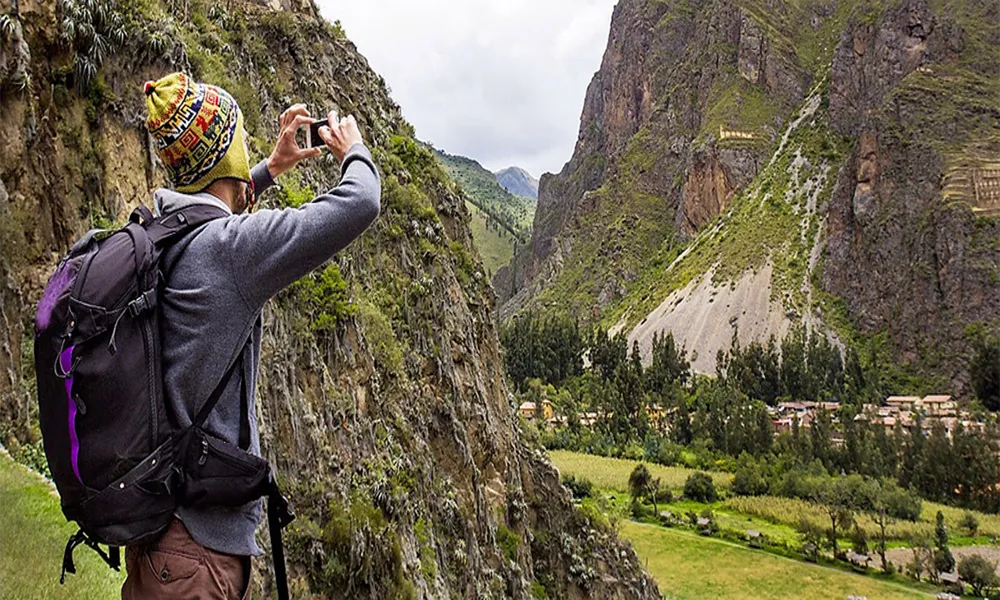
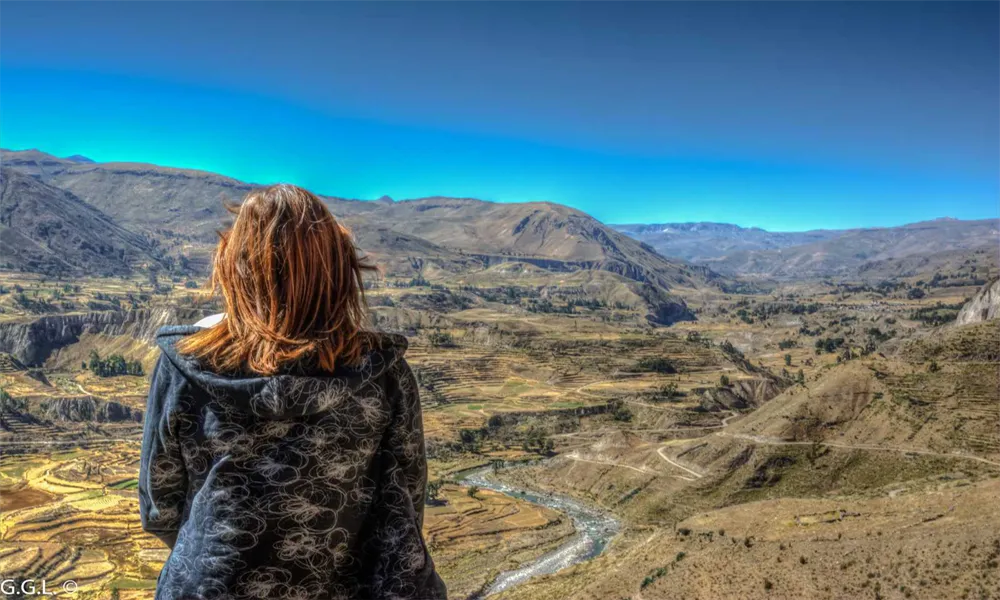
Traveling to Cusco and hiking the Salkantay Trek combines two very different health scenarios:
- A high-altitude Andean city (Cusco ~3,300 m / 10,800 ft)
- A remote mountain trek crossing over 4,600 m before descending into warmer, humid zones
Your preparation isn’t just about vaccines — it also includes acclimatization, stomach prevention, sun protection, a personal first-aid kit, and proper insurance.
⚠️ This is general information. Always confirm with a healthcare professional or travel medicine clinic before your trip.
1️⃣ ✅ Routine Vaccines (First Step)
Before thinking about “Peru-specific” vaccines, make sure your routine immunizations are up to date. Travel health authorities always start here.
Quick checklist:
- Tetanus / Diphtheria / Pertussis booster
- Measles / Mumps / Rubella (MMR)
- Varicella (if applicable)
- Polio (if applicable)
- Seasonal influenza
- COVID-19 (according to local recommendations)
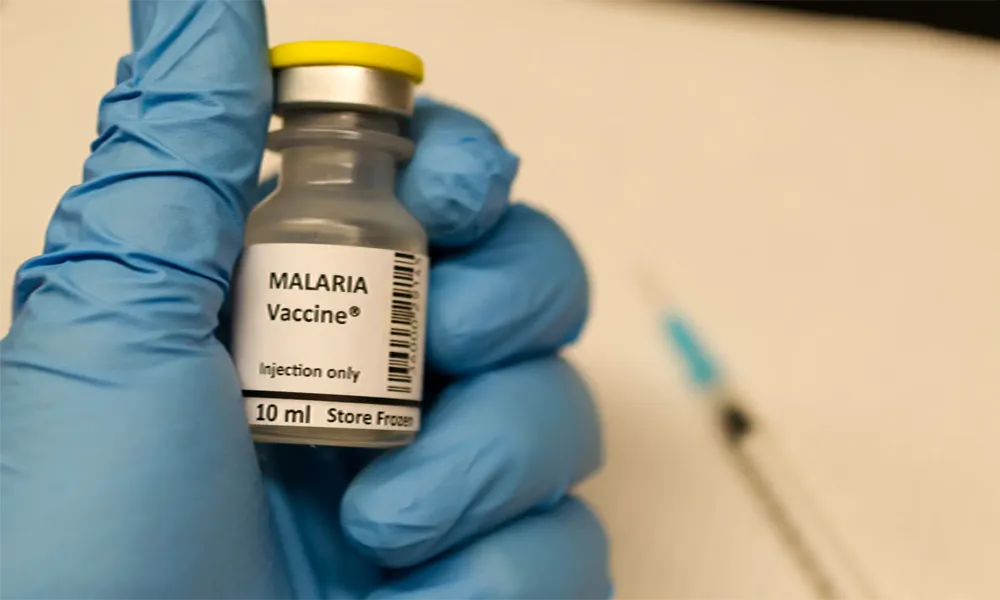
2️⃣ 🌎 Frequently Recommended Vaccines for Peru (Including Cusco)
These are commonly considered for travelers who will eat local food and move between cities and rural areas.
🟡 Hepatitis A
Often recommended due to food and water transmission risk.
Ideally given at least 2 weeks before travel (depending on schedule).
🟡 Typhoid
Commonly recommended when eating outside highly controlled tourist environments or traveling to rural areas.
🟡 Hepatitis B
More relevant if there is potential exposure to medical procedures, tattoos, piercings, or blood exposure.
Depends on your personal risk profile.
📌 Key idea:
For trekking + local meals + city changes, Hepatitis A and Typhoid are the most commonly evaluated vaccines.
3️⃣ 🦟 Yellow Fever: Do You Need It for Cusco/Salkantay?
According to major travel health authorities like the Centers for Disease Control and Prevention, yellow fever vaccination is not recommended when travel is limited to:
- Areas above 2,300 m
- Highland tourist areas such as Cusco and Machu Picchu
✅ For a classic Cusco + Salkantay + Machu Picchu itinerary: usually not required.
⚠️ If you also plan to visit lowland Amazon jungle regions, recommendations may change.
4️⃣ 🏔️ The #1 Health Factor: ALTITUDE (Soroche)
Cusco sits at ~3,300 m.
Salkantay Pass exceeds 4,600 m.
Altitude is your primary health consideration.
🧠 Smart Acclimatization Strategy
- Spend 1–2 easy days in Cusco before starting the trek
- Walk gently, hydrate well, eat light
- Avoid alcohol and intense exercise at the beginning
- Ascend gradually when possible
💊 Preventive Medication (Only With Medical Advice)
Acetazolamide is sometimes prescribed to reduce altitude illness risk.
It’s not necessary for everyone — depends on:
- Your history
- Speed of ascent
- Personal tolerance
Consult your doctor before using it.
🚩 Warning Signs (Do NOT “push through”)
- Shortness of breath at rest
- Confusion
- Loss of coordination
- Severe headache that doesn’t improve
In the mountains, descending is often the most important treatment.
5️⃣ 💧 Traveler’s Diarrhea & Stomach Prevention
Cusco’s tourist zones are generally safe, but food and water changes can affect you.
Practical prevention:
- Drink bottled or treated water
- Use hand sanitizer before meals
- Choose restaurants with high turnover
- Be cautious with raw foods if unsure
Useful items for your kit:
- Oral rehydration salts
- Anti-diarrheal medication (used responsibly)
- Probiotics (optional)
- Your personal medications
6️⃣ 🌞 Cold, UV Radiation & Skin Care
At high altitude, UV radiation is stronger — even when cloudy.
Bring:
- High-SPF sunscreen (reapply often)
- Lip balm with SPF
- UV-protection sunglasses
- Hat or cap
Sunburn is one of the most common and underestimated issues on high-altitude treks.
7️⃣ 🦟 Mosquitoes: Are There Any on Salkantay?
In the high-altitude sections: almost none.
When descending toward warmer jungle-edge areas: yes, potentially.
Bring:
- Repellent (DEET or picaridin)
- Light long sleeves in the evening
- Avoid standing water areas when possible
Mostly for comfort and general prevention.
8️⃣ 🧾 Travel Insurance (Altitude & Evacuation Coverage)
For high-altitude trekking, confirm your policy includes:
- Trekking activity coverage
- Altitude above 4,600 m
- Medical evacuation
- Remote area rescue
This is especially important for routes like the Salkantay Trek.
9️⃣ 📋 Final Quick Checklist
4–8 Weeks Before Travel
- Update routine vaccines
- Evaluate Hepatitis A / Typhoid / Hepatitis B
- Confirm if Amazon travel requires yellow fever
For Cusco & Salkantay (Altitude)
- 1–2 acclimatization days
- Avoid alcohol and heavy exertion on arrival
- Consult doctor about acetazolamide if concerned
On the Trek
- Safe water + oral rehydration salts
- Sunscreen + lip protection
- Personal first-aid kit
- Mosquito repellent for warmer sections
🎯 Final Perspective
For Cusco and Salkantay, health preparation is less about exotic vaccines and more about:
- Smart acclimatization
- Hydration
- Sun protection
- Stomach prevention
- Proper insurance
With preparation and awareness, high-altitude trekking in Peru is very manageable — and far more likely to be memorable for the scenery than for health problems.