Risks, Accidents, and Safety Measures on the Salkantay Trek 🏔️
The Salkantay Trek is one of the most popular alternative routes to Machu Picchu. It does not require a limited government permit like the Inca Trail, but that does not mean it is easy or risk-free.
This is a high-altitude mountain trek, crossing passes above 4,600 meters (15,000+ ft), with sudden weather changes and remote sections.
The good news: with smart planning and proper preventive measures, it is a safe route for most travelers. Below is a detailed breakdown of real risks, how to prevent accidents, and what to do in challenging situations.
1️⃣ The Most Important Factor: Altitude
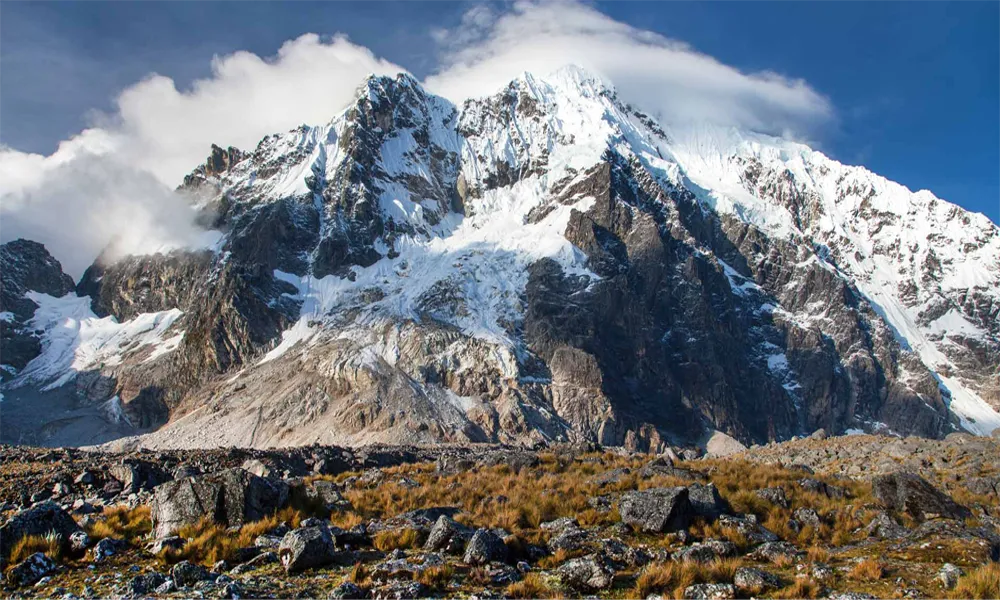
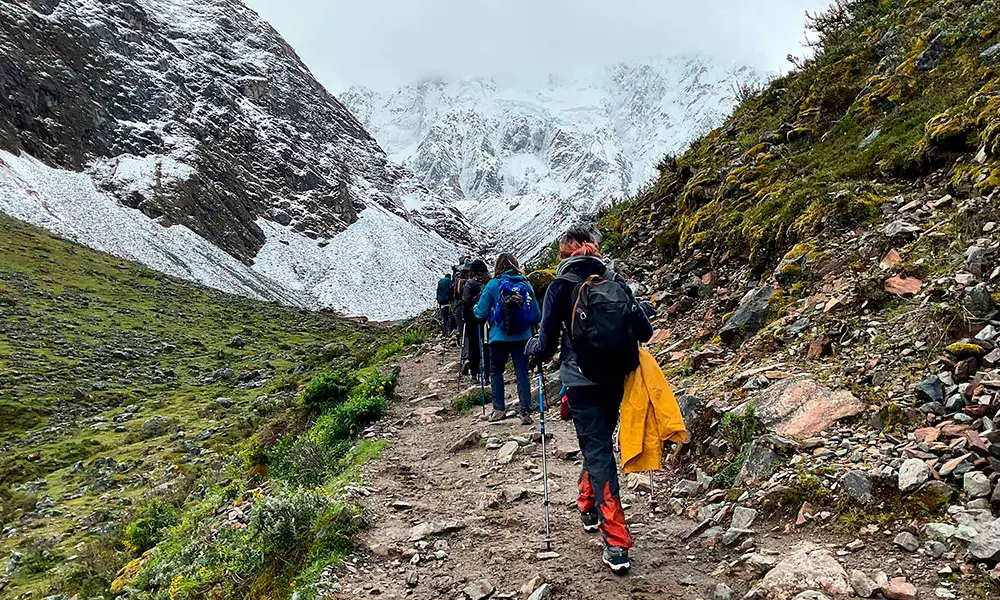
The highest point of the trek is Abra Salkantay, located in front of the imposing Nevado Salkantay, at over 4,600 m (15,000 ft).
Why Is Altitude the Main Risk?
At higher elevations:
- There is less oxygen available
- The body works harder for the same effort
- Fatigue appears faster
- Recovery is slower
Common Symptoms of Altitude Sickness
- Headache
- Mild nausea
- Dizziness
- Excessive fatigue
- Loss of appetite
- Difficulty sleeping
Warning Signs (Require Immediate Attention 🚨)
- Severe headache that does not improve
- Persistent vomiting
- Confusion
- Difficulty breathing even at rest
How to Prevent Altitude Problems
- Acclimatize at least 2 days in Cusco or the Sacred Valley
- Avoid alcohol before the trek
- Stay consistently hydrated
- Walk at a slow, steady pace
- Eat even if appetite is low
- Listen to your body and do not push beyond limits
Golden mountain rule: if symptoms worsen, descend.
2️⃣ Extreme Weather & Sudden Changes 🌦️
On the Salkantay route, you may experience:
- Intense sun
- Freezing wind
- Rain
- Hail
- Dense fog
All in the same day.
Weather-Related Risks
- Hypothermia (wet clothes + wind + cold)
- Heat exhaustion (strong UV radiation at altitude)
- Disorientation in fog
- Slips on wet terrain
Protection Measures
- Dress in a layering system (base + insulation + waterproof shell)
- Bring gloves and a hat even if the morning is sunny
- Use sunscreen and sunglasses
- Keep one dry set of clothes for nighttime
- Avoid hiking at night in high-altitude areas
Mountain weather is unpredictable — always prepare for the worst-case scenario.
3️⃣ Terrain & Fall Risks 🪨
The trek includes:
- Long ascents
- Extended descents
- Loose rocks
- Muddy sections during rainy season
Most Common Accidents
- Ankle sprains
- Slips and falls
- Bruises from tripping
- Severe knee pain on descents
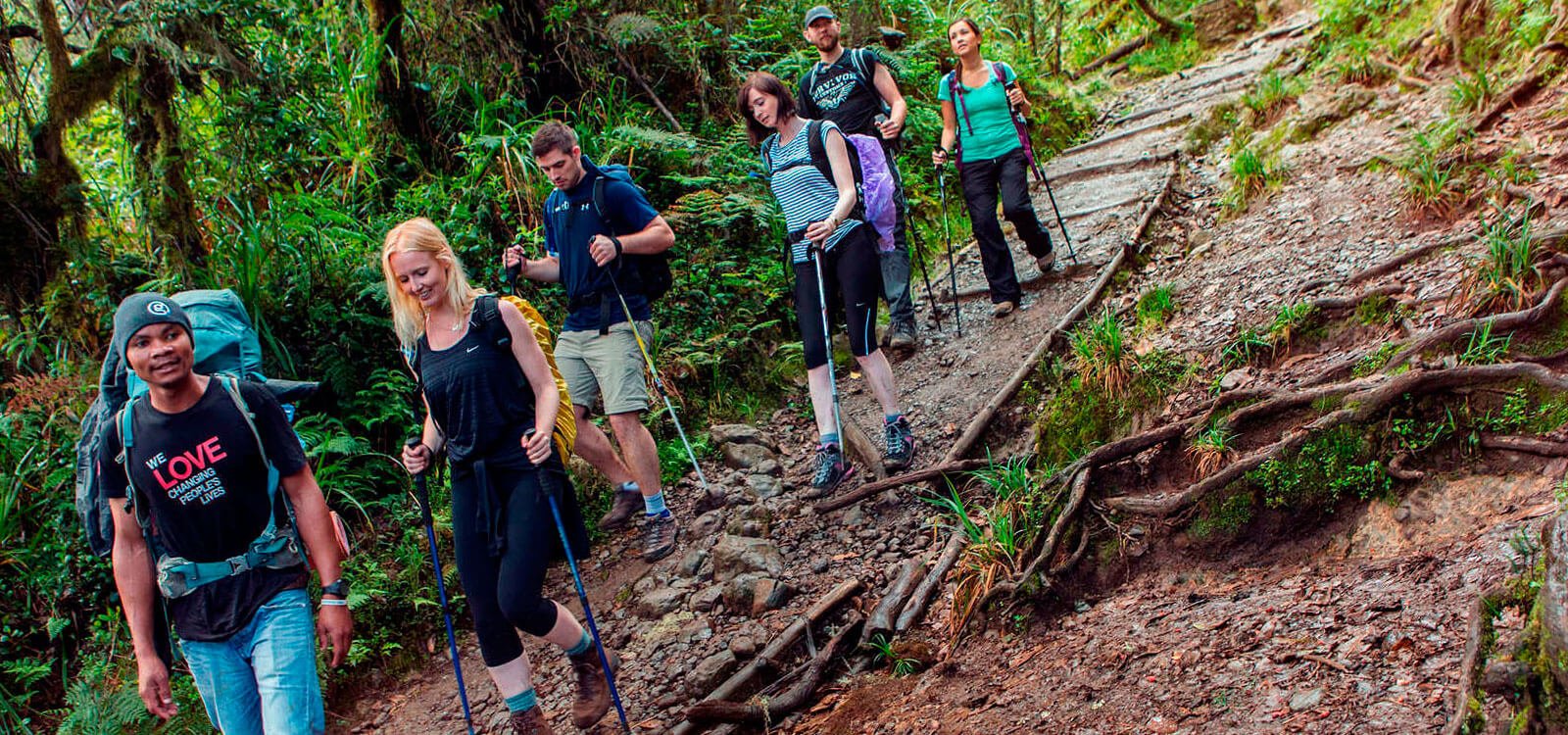
Practical Prevention
- Wear boots with strong traction
- Use trekking poles (reduce knee impact)
- Do not run downhill
- Adjust your backpack properly
- Watch your footing carefully
Long descents are often more dangerous than climbs.
4️⃣ Extreme Fatigue & Overexertion
Many accidents occur due to accumulated exhaustion.
Risk Factors
- Poor sleep
- Carrying too much weight
- Starting too fast on Day 1
- Inadequate nutrition
How to Avoid Overexertion
- Distribute weight properly
- Take short, frequent breaks
- Eat small energy snacks
- Maintain a steady, non-competitive pace
The most common mistake is trying to “prove endurance.” In the mountains, energy management wins.
5️⃣ Health & Digestive Risks
During the trek:
- Limited direct access to potable water
- Dietary changes
- Basic sanitary facilities
Common Issues
- Dehydration
- Digestive problems
- Mild infections
Prevention
- Drink only treated or boiled water
- Use hand sanitizer before eating
- Carry electrolytes
- Avoid very heavy meals at altitude
6️⃣ Safety When Trekking Independently
It is possible to do the Salkantay Trek without a tour — but it requires more responsibility.
Additional Risks
- Disorientation in fog
- Timing miscalculations
- Lack of support during illness
- Logistical challenges in emergencies
If Going Independently
- Download offline maps
- Inform someone of your route
- Avoid hiking alone at night
- Carry a power bank
- Have a backup plan for bad weather
For those without high-altitude experience, an organized tour is often the safer option.
7️⃣ Campsite & Local Area Safety 🔒
Although the route is touristic, use common sense:
- Do not leave valuables visible
- Store documents in an internal waterproof bag
- Avoid walking alone at night in isolated areas
- Use a headlamp in camps
8️⃣ Travel Insurance & Preparation
Before starting:
- Confirm your insurance covers high-altitude trekking
- Train with long hikes beforehand
- Do not underestimate the physical demand
- Check weather conditions before departure
- The best “safety equipment” is preparation.
9️⃣ Complete Risk & Prevention Table 📊
| Risk | Frequency Level | Main Prevention |
|---|---|---|
| Altitude sickness | High (in non-acclimatized hikers) | Acclimatization + slow pace |
| Hypothermia | Medium | Layering system + waterproof jacket |
| Slips | Medium | Trekking poles + good traction footwear |
| Dehydration | High | Constant hydration |
| Extreme fatigue | Medium | Controlled pace |
| Disorientation | Low / Medium | Offline maps + no night hiking |
| Digestive issues | Medium | Safe drinking water + hygiene |
🔟 Is the Salkantay Trek Dangerous?
It is not a technical extreme trek, but it is demanding.
Most incidents occur due to:
- Lack of acclimatization
- Poor planning
- Overconfidence
- Inadequate gear
With proper preparation, it is a well-traveled and generally safe route.
🏁 Conclusion
Safety on the Salkantay Trek depends more on the traveler than on the trail itself. The mountain demands respect, planning, and prudence.
If you acclimatize properly, carry the right equipment, maintain a smart pace, and make sound decisions when weather changes, the risks decrease significantly.
The Salkantay is not inherently dangerous — it is demanding. And like all high-mountain experiences, it rewards those who prepare and listen to their bodies. 🏔️✨