Responsible Tourism in the Inca Jungle: Trail Care, Waste Management, and Community Support
We know you want to experience the Inca Jungle without leaving a negative impact. We promise to explain how to care for the trails, manage your waste, and respect local communities. Here you’ll discover which practices truly make a difference and how to travel responsibly to Machu Picchu.
What is responsible tourism in the Inca Jungle? 🌿
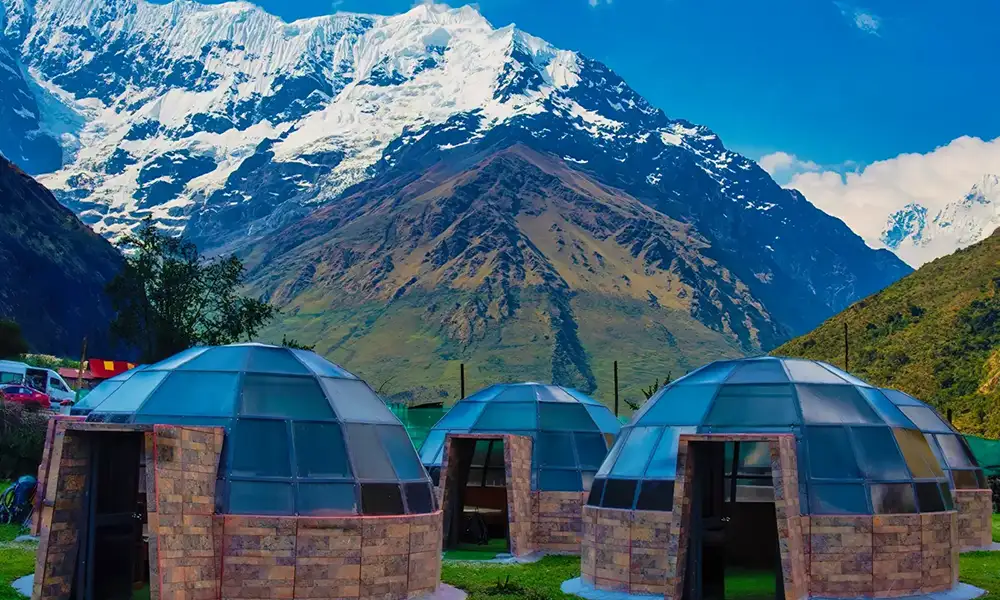
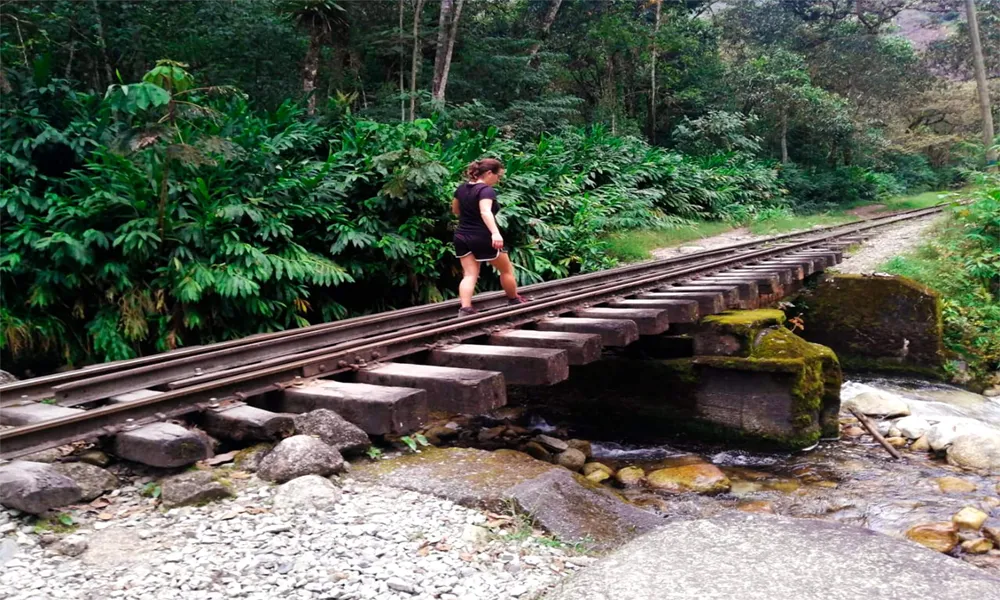
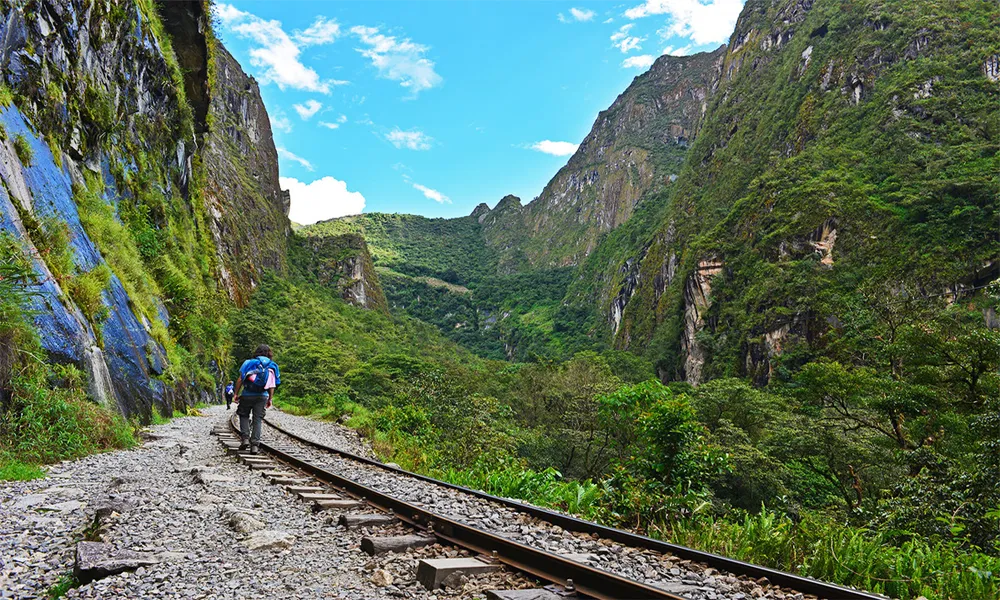
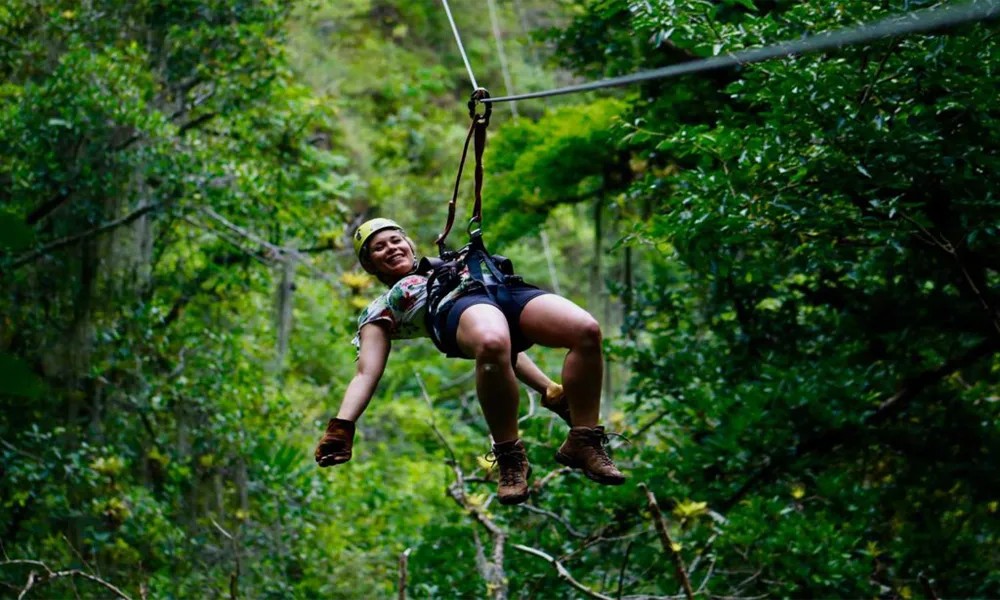
The Inca Jungle is an alternative adventure route to Machu Picchu that combines cycling, trekking, and visits to rural villages.
Unlike the regulated Inca Trail, the Inca Jungle Trail:
- Doesn’t have such limited capacity
- Crosses through active communities
- Utilizes local infrastructure
Therefore, traveler behavior has a direct impact on:
- Trail conservation
- Waste management
- Local economy
How the environmental and social impact works 🚶♂️
1️⃣ Trail Care
Common problems:
- Erosion from footsteps off the trail
- Mud exacerbated during the rainy season
- Shortcuts that damage vegetation
Best practices:
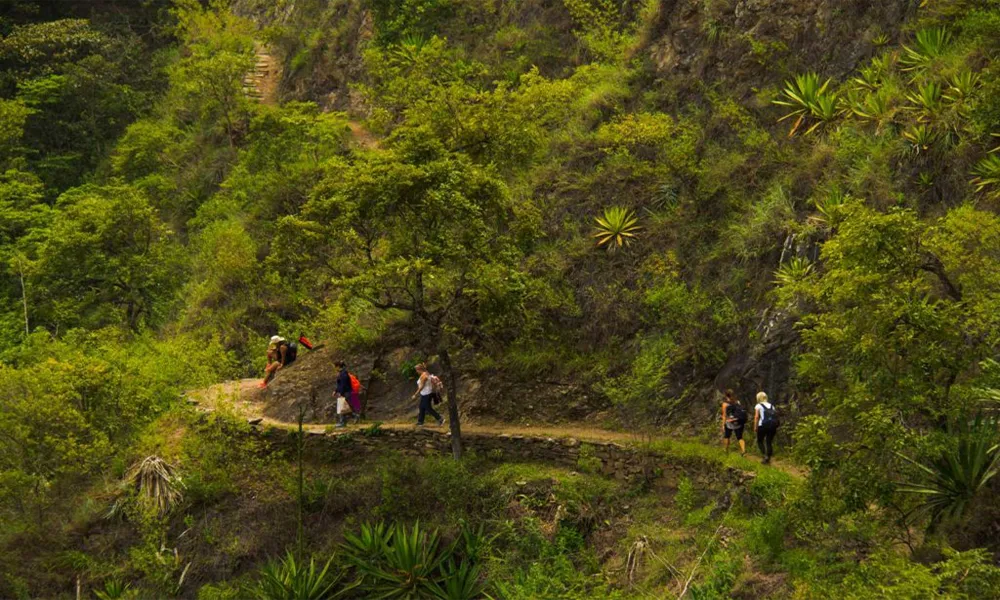
- Always stay on the marked trail
- Do not create alternative routes
- Use trekking poles with rubber tips
2️⃣ Waste Management ♻️
In rural areas:
- There is no efficient collection system
- Plastic can take decades to decompose
Basic rule:
👉 Take what you bring, take it back.
Includes:
- Bottles
- Wrappers
- Toilet paper
3️⃣ Respect for local communities 🏘️
The Inka Jungle Trek passes through villages like Santa María and Santa Teresa.
Best practices:
- Ask permission before photographing people
- Buy local products
- Don’t haggle excessively
- Respect schedules and customs
Inka Jungle Trek vs. Inca Trail Sustainability ⚖️
| Factor | Inka Jungle | Inca Trail |
|---|---|---|
| Official regulation | Medium | High |
| Waste control | Variable | Strict |
| Community interaction | High | Moderate |
| Direct tourist impact | Greater | More controlled |
The Inca Trail has stricter state regulations.
The Inka Jungle Trek depends more on individual behavior.
Transactional Value Section 💳
What does the tour include in terms of sustainability?
Some responsible agencies include:
- Environmental briefing
- Group waste management
- Support for local businesses
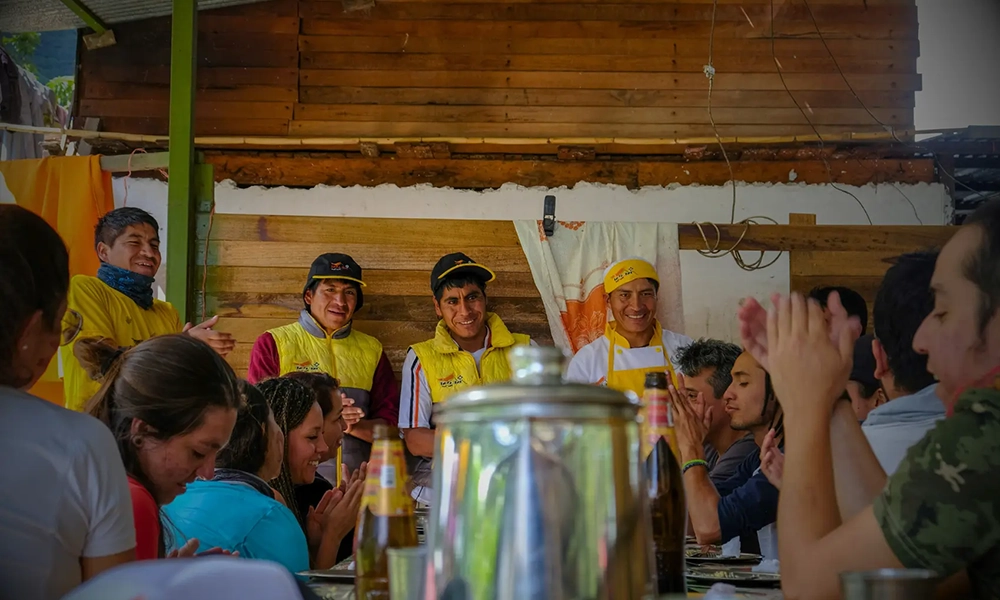
- Use of family-run accommodations
What is NOT usually included?
- Carbon offsetting
- Formal conservation projects
- Automatic community donations
💡 If sustainability is important to you, ask before booking:
- Do they work with local suppliers?
- How do they manage waste?
- Do they limit group sizes?
Requirements for Responsible Tourism 🎒
- Reusable water bottle
- Reusable bag
- Biodegradable sunscreen
- Eco-friendly hygiene products
- Respectful attitude
Pro-Tips for Foreigners 🌍
- Avoid leaving sweets as tips for children
- Do not give money directly to minors
- Use biodegradable sunscreen (rain washes chemicals into rivers)
- Respect signs even if others don’t
- Reduce your plastic consumption before you arrive
About Altitude Sickness ⛰️
Being acclimatized reduces the risk of having to abandon trails due to fatigue. Rest for 48 hours in Cusco before starting your hike.
How to Choose a Truly Responsible Agency? 🔍
Look for operators who:
- Limit groups to a maximum of 10–12 people
- Work with certified local guides
- Use family-run accommodations
- Clearly communicate their environmental management practices
Avoid extremely cheap tours that may compromise standards.
Real positive impact of responsible tourism 💚
When you travel consciously:
- You support rural economies
- You encourage environmental conservation
- You promote sustainable tourism in Peru
- You reduce cumulative impact on trails
The Inca Jungle can be an adventure experience with awareness.