Complete Guide to Overcoming 4,630 m with Safety and Confidence
We know that one of the biggest questions before the Salkantay Trek is: Am I really physically prepared? 😰 The altitude, long climbs, and weather can be intimidating. Here you’ll discover a detailed training plan, realistic requirements, and practical tips to arrive strong, reduce risks, and enjoy every step of the way.
What Does the Salkantay Trek Physically Demand?
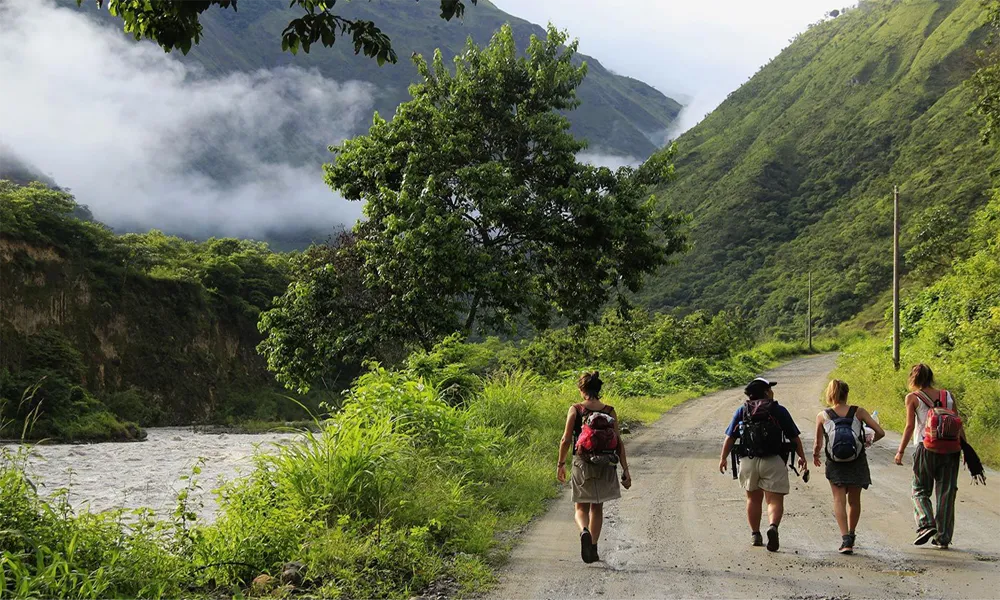
The Salkantay Trek is one of the most challenging routes to Machu Picchu. The highest point is the Salkantay Pass (4,630 m), where the oxygen level is considerably lower than at sea level.
Main Physical Challenges:
- 🥾 6–8 hour hikes daily
- 🏔 Prolonged ascents on the second day
- 🎒 Carrying a light backpack for several hours
- ❄ Sudden temperature changes
- 🌬 Thinner air (less oxygen)
Without prior training, the experience can become much more strenuous than necessary.
How Does Ideal Training Work?
🗓 How Far in Advance Should You Start?
Beginner Level:
8 weeks recommended.
Intermediate Level:
6 weeks may be sufficient.
Advanced Level:
4 weeks of specific focus on endurance.
The key is not just strength, but cardiovascular endurance and muscle recovery.
Detailed Training Plan by Phases
Phase 1: Cardiovascular Base (Weeks 1–3)
Goal: Improve lung capacity and overall endurance.
Recommended Activities:
- Brisk walking on flat terrain
- Stationary or outdoor cycling
- Treadmill with incline
- Stairs
Frequency:
3–4 times per week
Duration:
45–60 minutes per session
Phase 2: Strength and Stability (Weeks 3–6)
Objective: Prepare legs and core for prolonged climbs.
Key Exercises:
- Squats (with moderate weight)
- Forward and reverse lunges
- Step-ups on a bench or step
- Light deadlifts
- Plank
Frequency:
2–3 times per week
Benefit:
Reduces risk of injury and improves stability on uneven terrain.
Phase 3: Realistic Simulation (Final 3–4 Weeks)
This is where the most important training begins.
✔ Long hikes of 10–15 km
✔ Use of a 5–8 kg backpack
✔ Sloping terrain
✔ Use of final footwear
Simulating real-world conditions makes all the difference.
Salkantay Trek Training Summary Table
| Element | Ideal Recommendation |
|---|---|
| Preparation time | 6–8 weeks |
| Weekly cardio | 3–4 sessions |
| Weekly strength training | 2–3 sessions |
| Weekly long hike | 1 session |
| Practice backpack weight | 5–8 kg |
| Required fitness level | Moderate – High |
What Real Fitness Level Do You Need?
To comfortably complete the Salkantay Trek, you should be able to:
- Walk 15 km without extreme exhaustion
- Climb stairs for 20–30 minutes continuously
- Recover in 24 hours
- Walk with a backpack without lower back pain
No technical mountaineering experience is required, but physical discipline is essential.
Transactional Value: Investment in Preparation
Although training can be done for free, many travelers invest in:
🏋️ Gym: $30–60 USD/month
🥾 Trekking boots: $80–150 USD
🎒 Technical backpack: $60–120 USD
🧥 Thermal and waterproof clothing: $100–200 USD
The Salkantay tour generally includes:
✔ Professional guide
✔ Meals
✔ Camping
✔ Entrance to Machu Picchu
✔ Return train
Does not include:
❌ Personal equipment
❌ Travel insurance
❌ Physical preparation
Investing in training is more economical than dealing with injuries or a bad experience.
Specific Altitude Preparation
Training improves your endurance, but it doesn’t replace acclimatization.
Recommendations:
- Arrive in Cusco at least 2 days before your trip.
- Walk gently on the first day.
- Stay hydrated.
- Avoid alcohol.
Altitude sickness can affect even people in good physical condition.
Advanced Pro-Tips for Foreign Tourists 🌎
1️⃣ Train on Inclined Terrain
If you live in a flat city, use stairs or an incline treadmill.
2️⃣ Practice with Trekking Poles
Learn to distribute your weight and protect your knees.
3️⃣ Improve Your Mental Stamina
Do long training sessions even if you’re tired: simulate day 2 of the trek.
4️⃣ Get a Good Night’s Sleep Before Your Trip
Recovery is part of the training.
5️⃣ Test Your Complete Gear
Never wear new boots on the first day of the trek.
Common Mistakes
❌ Starting training only 1–2 weeks before
❌ Underestimating the altitude
❌ Not training leg strength
❌ Not practicing with a backpack
❌ Ignoring rest
Signs You’re Ready
✔ You can hike 15 km without extreme exhaustion
✔ You can climb hills for 1 hour continuously
✔ You recover the next day
✔ You have no lingering discomfort
Final Conclusion
Proper physical training for the Salkantay Trek is the difference between suffering through the route and fully enjoying it 🏔. With adequate preparation, you’ll improve your endurance, reduce risks, and appreciate every landscape without letting exhaustion ruin the experience.
The mountains don’t demand perfection, but they do demand preparation.