Mosquitoes on the Salkantay Trek
Where They Appear, How Intense They Are & How to Avoid Bites 🌿🏔️
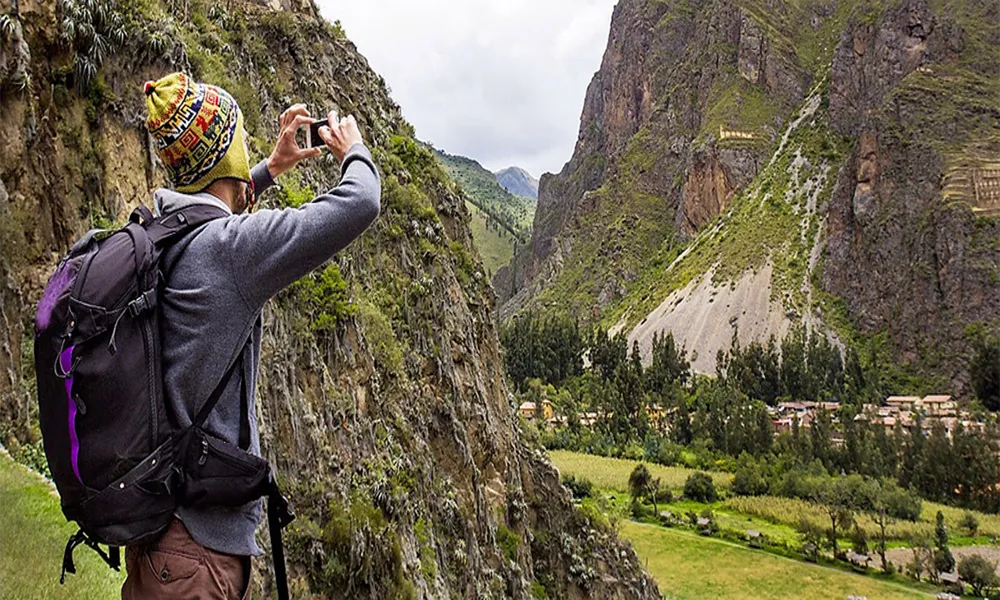
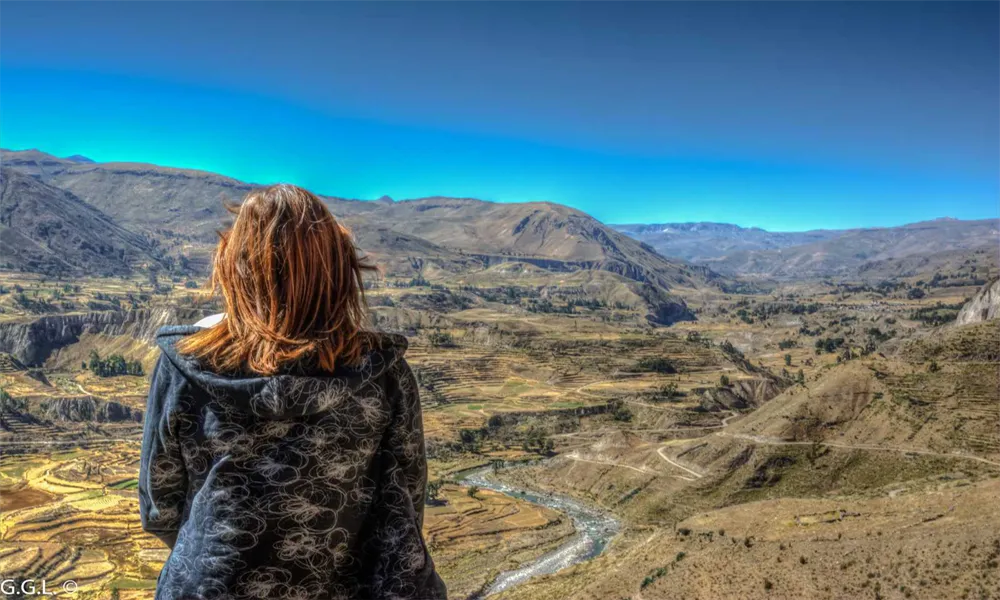
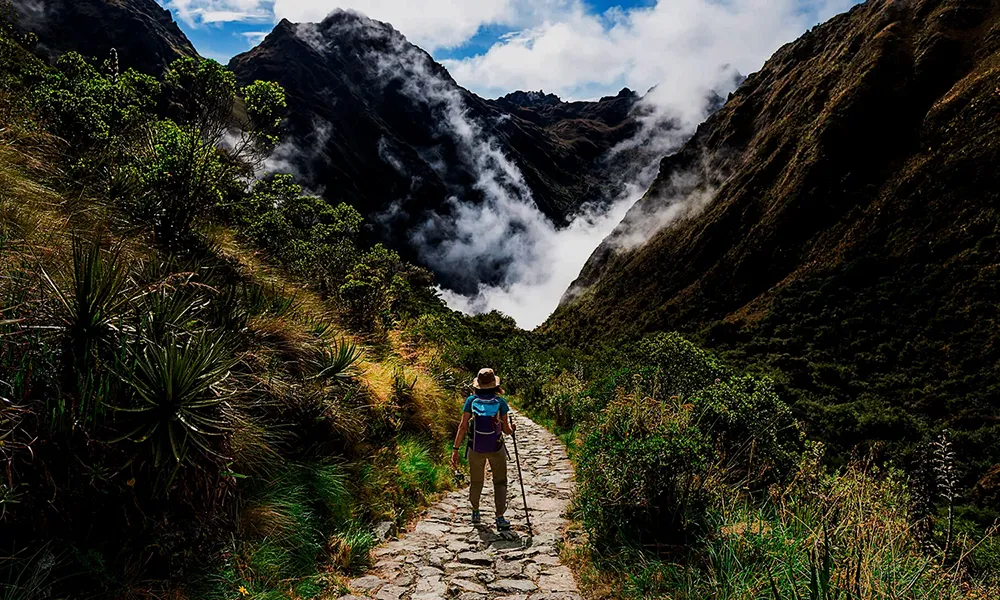
One of the most fascinating things about the Salkantay Trek is how dramatically the landscape changes. You move from glaciers and freezing winds to warm, lush cloud forest in just a few days.
And when the trail drops into the jungle edge… yes, mosquitoes show up too 😅
Good news: it’s not an Amazon-level invasion. With simple preparation, mosquito exposure is totally manageable.
🌡️ Where Do Mosquitoes Appear?
Mosquito activity increases mainly:
- After descending from Salkantay Pass
- In lower, warmer sections
- Near dense vegetation
- Around streams or humid areas
- In the late afternoon and early evening
Above 4,000 m (13,000 ft), the cold virtually eliminates insects.
🗓️ Does Season Matter?
Yes — quite a bit.
🌧️ Rainy Season
- Higher humidity
- More insect activity
- Denser vegetation
- More frequent bites
☀️ Dry Season
- Lower humidity
- Fewer mosquitoes
- More comfortable hiking conditions
- Mosquitoes can appear year-round in lower sections, but intensity varies.
🦟 What Types of Insects Are There?
Mostly:
- Small mos
- climate insects
This area is not considered high epidemiological risk, but preventing bites is still recommended.
🧴 Essential Protection: What to Bring
✅ 1️⃣ Effective Repellent
Look for:
- DEET (20–30%)
- Icaridin / Picaridin (effective and less irritating)
Reapply every 4–6 hours depending on sweat.
Apply especially on:
- Ankles
- Lower legs
- Wrists
- Neck
💡 Pro tip: Apply before sunset, not after you’re already being bitten.
👕 2️⃣ Clothing (Your First Line of Defense)
Recommended:
- Lightweight long-sleeve shirts
- Breathable long trekking pants
- Light-colored clothing
- Socks covering ankles
Avoid:
- Shorts in humid areas
- Tight clothing insects can bite through
🧦 Pay Special Attention to Ankles
Most trekking bites happen on:
- Ankles
- Shins
- Behind knees
- Wrists
Spraying only your arms is not enough.
🏕️ What About Mosquitoes at Camp?
🟢 Traditional Campsites
- Closed tents provide strong protection
- Keep zippers fully closed
- Don’t leave your tent open with lights on at dusk
🔵 Domes / Premium Camps
- Better protection overall
- Mesh windows
- Less exposure
Nights are usually manageable if you follow basic precautions.
🌄 Peak Mosquito Activity Times
Most active:
- At dawn
- At sunset
- After rainfall
- In shaded, humid areas
During sunny, exposed hikes, mosquito activity is typically lower.
💊 Is There Disease Risk?
On the classic Salkantay route:
- Malaria risk is extremely low
- It’s not considered a high mosquito-borne disease area
Still, bite prevention is always wise.
If you have specific medical concerns, consult a travel health professional before your trip.
🎒 Ideal Anti-Mosquito Kit
- Travel-size repellent (day use)
- Larger repellent for camp
- Lightweight long sleeves
- Trekking pants
- Anti-itch cream
- Basic antihistamine (if sensitive)
- Small bag for sweaty clothes (odor attracts insects)
⚠️ Common Mistakes That Increase Bites
❌ Applying repellent only once per day
❌ Wearing shorts in jungle sections
❌ Assuming “it’s mountains, no bugs here”
❌ Leaving tent open with light on
❌ Not reapplying after sweating
🧠 Simple, Effective Strategy
To avoid most problems:
✔ Wear long clothing in lower sections
✔ Apply repellent before sunset
✔ Keep tent closed
✔ Avoid strong perfumes
✔ Shower in Santa Teresa if possible (reduces scent attraction)
📊 Mosquito Intensity by Zone
| Zone | Mosquito Level |
|---|---|
| High altitude (Pass area) | Very low |
| Descent to cloud forest | Moderate |
| Santa Teresa | Moderate |
| Aguas Calientes | Low to moderate |
🏁 Final Takeaway
Yes, mosquitoes appear in the lower jungle-edge sections of the Salkantay Trek — especially in warm and humid conditions — but they are not extreme.
With:
- Proper repellent
- Long clothing
- Smart campsite habits
…it becomes a completely manageable part of the adventure 🏔️🦟✨
Prepare, protect, and enjoy the incredible ecosystem shift that makes Salkantay so unique.