Indigenous Peoples in Voluntary Isolation (uncontacted) and Protection Standards
We understand that the topic of uncontacted tribes raises curiosity — and sometimes questions — when planning a trip to Manu. Here you’ll learn what they truly are, why they are legally protected, and what rules you must respect as a visitor.
🌿 What Are Indigenous Peoples in Voluntary Isolation?
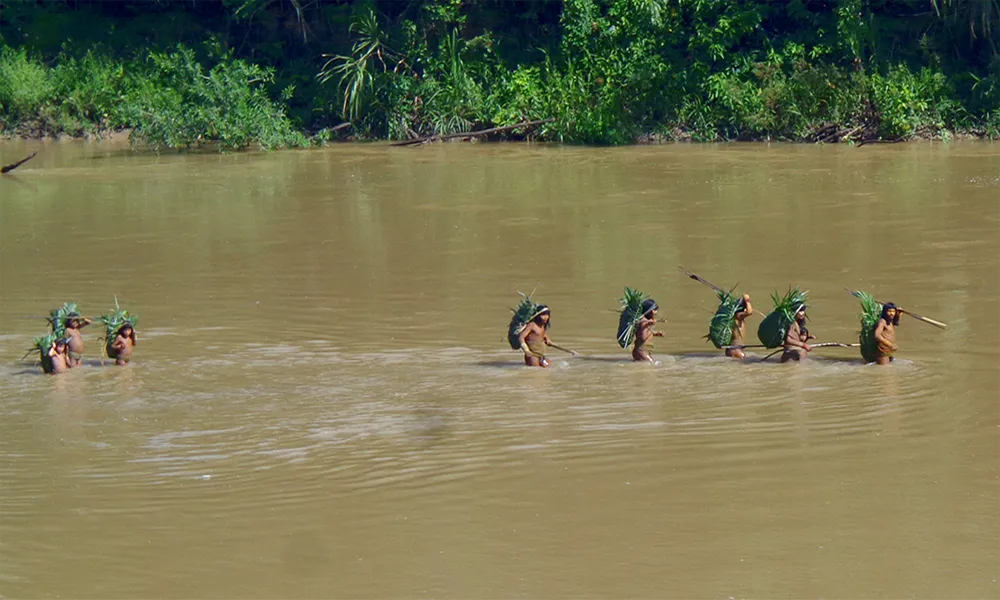
Indigenous Peoples in Voluntary Isolation (PIAV) are communities that have chosen not to maintain contact with mainstream society. In Peru, their protection is supported by special legislation and designated territorial reserves.
Within Manu National Park, there are intangible zones where the presence of isolated groups is presumed. Manu is a UNESCO Natural World Heritage Site, reinforcing its comprehensive protection — both environmental and cultural.
⚠️ Important:
Forced contact is illegal and endangers their lives due to extreme immunological vulnerability.
🛡 How Does Legal Protection Work?
Legal Framework in Peru
- Specific territorial reserves
- Intangible zones within protected areas
- Absolute prohibition of entry without authorization
Restrictions for Tourists
- There are no tours to “see” isolated tribes
- Approaching, photographing, or attempting contact is strictly prohibited
- Access is limited to authorized tourist routes
Role of Tour Operators
- Formal agencies respect established routes and maintain distance from sensitive areas.
📍 Where Are They Located?
Primarily in remote and difficult-to-access areas of the southeastern Amazon, within and around Manu and other Amazon reserves.
These areas:
- Are not open to tourism
- Do not appear in official itineraries
- Are monitored by environmental authorities
📊 Informative Table
| Metric | Key Information |
|---|---|
| Price to visit | Not permitted (0 legal tours) |
| Tourist access | Prohibited |
| Duration | Not applicable |
| Best season | Not applicable |
| Legal status | Absolute protection |
✔ Responsible Tourism Must Include:
- Official authorized routes
- Certified guides
- Compliance with environmental regulations
- Educational information about cultural protection
✘ Must Avoid:
- Promises of “sightings” of isolated tribes
- Sensationalist descriptions
- Entry into restricted zones
If an operator offers contact with uncontacted tribes, it is illegal and should be avoided immediately.
🌦 Climate & Geographic Context
Areas where isolated groups live typically feature:
- Humid tropical climate (24–32°C / 75–90°F)
- High annual rainfall
- Remote primary rainforest
Access is extremely complex and strictly regulated.
🧳 Pro Tips for International Travelers
Ethics First
- Respect their decision to remain isolated. They are not a tourist attraction.
Inform Yourself Before Traveling
- Ask your operator about cultural respect policies.
Altitude Awareness
- Manu combines Andean and Amazonian zones. If traveling from Cusco, you may experience altitude changes when descending into the rainforest.
Recommended Essentials
- Lightweight clothing
- Insect repellent
- International travel insurance
- Digital copies of important documents
🌎 Responsible Tourism
Support certified operators who promote conservation and cultural education.
🆚 Responsible Tourism vs Sensationalist Tourism
| Aspect | Responsible Tourism | Sensationalist Tourism |
|---|---|---|
| Legal compliance | Full | May violate laws |
| Cultural impact | Protective | Harmful |
| Ethics | High | Low |
| Safety | Guaranteed | Risky |
Choosing responsibly protects human lives and ecosystems.
Indigenous peoples in voluntary isolation are not a tourist experience — they are a reality that demands absolute respect. Traveling to Manu means understanding that conservation and ethics come first. An informed traveler plays an active role in protecting Amazonian cultural heritage.