Good Practices for Sustainable Tourism in Manu: litter, noise, interaction with wildlife
Traveling to the Amazon is a dream… but also a responsibility. Many travelers don’t realize how their actions can impact one of the most biodiverse ecosystems on the planet. Here you’ll discover sustainable tourism best practices in Manu, how to apply them correctly, and what to choose so your visit is responsible, safe, and authentic.
🌎 What Is Sustainable Tourism in Manu?
Sustainable tourism in Manu National Park means visiting the rainforest while minimizing environmental impact, respecting wildlife, and supporting local communities.
🌱 Responsible Tourism vs Conventional Tourism
| Sustainable Tourism | Irresponsible Tourism |
|---|---|
| Proper waste management | Litter left behind |
| Quiet wildlife observation | Excessive noise |
| No feeding animals | Invasive interaction |
| Use of eco-lodges | Polluting infrastructure |
🗑️ Waste: “Leave No Trace” Policy
✔️ How It Works in Manu
- All waste must return to Cusco.
- There are no trash bins inside the park.
- Responsible agencies separate organic and recyclable waste.
❌ What You Should Never Do
- Bury plastic
- Leave cigarette butts
- Throw waste into the Madre de Dios River
💡 Tip: Bring a reusable water bottle and a personal waterproof bag for trash.
🔇 Noise: The Invisible Impact
The rainforest functions through natural sounds. Human noise disrupts feeding and reproduction patterns.
Best practices:
- Speak quietly
- Silence mobile phones
- Do not use speakers
- Follow your guide’s instructions
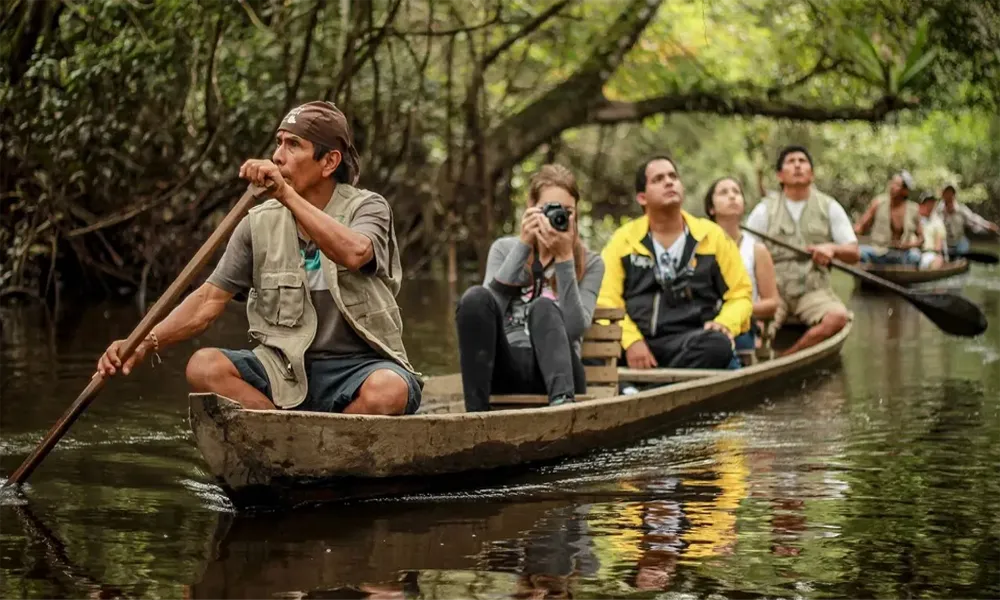
At macaw clay licks, silence is essential for successful sightings 🦜.
🐒 Wildlife Interaction: Observe, Don’t Intervene
Never:
- Feed animals
- Touch monkeys or other species
- Chase wildlife for photos
The recommended minimum distance is 10 meters (or as indicated by your guide).
🌦️ Best Time to Visit
Dry Season (May–September)
- More accessible trails
- Better wildlife observation
- Lower impact from heavy rains
Rainy Season (November–March)
- Lusher vegetation
- Higher humidity
- Greater caution needed during river navigation
🎒 Requirements & Preparation
- Valid passport
- International medical insurance
- Yellow fever vaccine recommended
- Good physical condition for humid jungle walks
Tours usually begin in Cusco (3,399 m / 11,152 ft).
Acclimatize at least 24 hours before departure.
🧠 Pro Tips for Travelers
1️⃣ Extreme Climate
- 30–35°C (86–95°F)
- High humidity
- Wear breathable technical clothing
2️⃣ Eco Protection
- Biodegradable insect repellent
- Eco-friendly sunscreen
- Avoid polluting aerosols
3️⃣ Hydration
- Reusable water bottle
- Optional purification tablets
4️⃣ Responsible Photography
- No flash for nocturnal animals
- Do not block natural wildlife paths
5️⃣ Bring Cash
- There are no ATMs inside the park.
🏆 How to Choose a Truly Sustainable Operator
Before booking, ask:
- How do you manage waste?
- Do you work with local communities?
- Do you limit group size?
- Do you have official permits from SERNANP?
If the agency avoids answering clearly, be cautious.
Visiting Manu National Park is not just an adventure — it’s a commitment. Practicing sustainable tourism protects one of the planet’s most important ecosystems and ensures future generations can experience the same wonder.
Choosing the right operator and following best practices truly makes the difference.