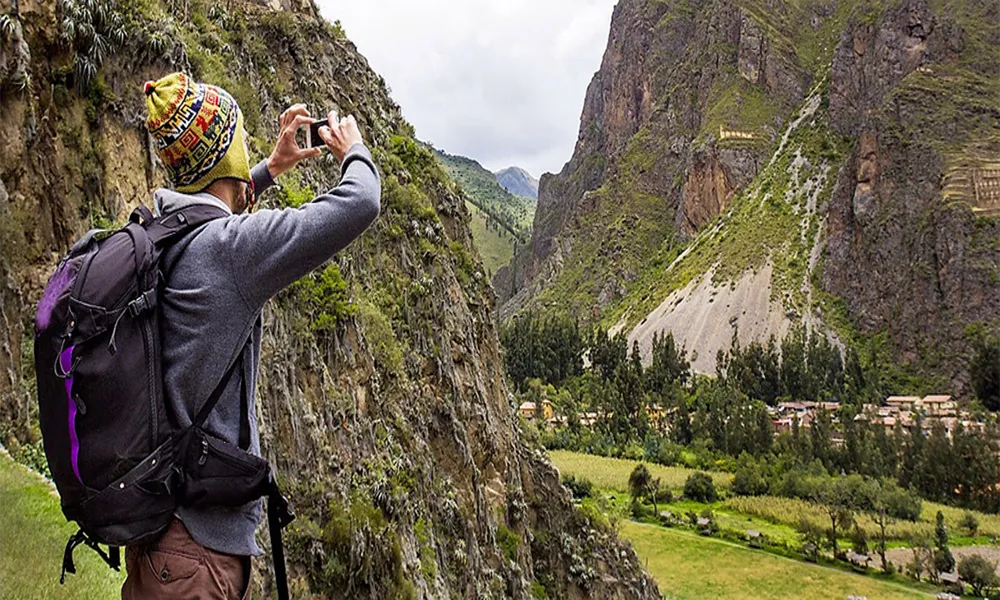
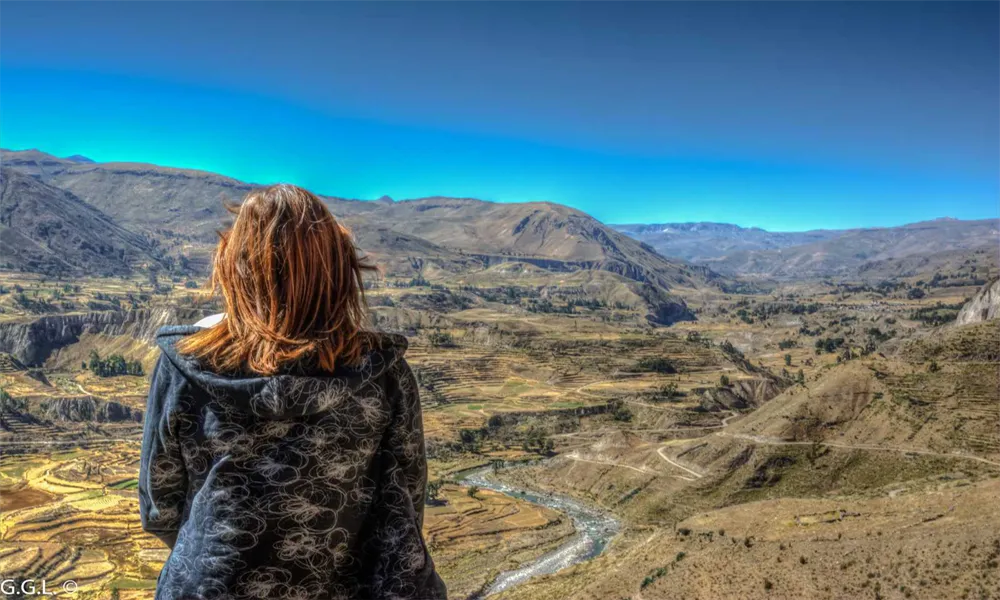
In the heart of the central Peruvian jungle rises an isolated, rugged, and verdant mountain range: the Sira. Its sub-Andean and cloud forests climb from 130 meters above sea level to peaks over 2,200 meters, creating a unique corridor of life between colossal rivers—the Ucayali, Pachitea, and Pichis—and indigenous communities that have cared for this territory for generations: the Asháninka, Ashéninka, Yánesha, and Shipibo-Conibo. Here you won’t find mass tourism or scenic roads; you’ll find community trails, navigable rivers, natural viewpoints, and a biodiversity with endemic gems like the Sira tanager and the Sira curassow.
Where it is and what the landscape is like (useful mental map)
- Scope: Ucayali, Pasco, and Huánuco regions.
- Orographic axis: Independent sub-Andean mountain range (not “the” continuous eastern mountain range, but an isolated massif).
- Rivers bordering the region: Ucayali (east), Pachitea (west), Pichis (north).
- Dominant environments: lowland riparian forest with tipishcas (meandering lagoons), premontane forests, cloud forest ridges, and ridges with natural viewpoints.
Summary and expanded history (timeline)
- Before European contact: Territory of seasonal circulation and residence of the Yánesha, Asháninka, Ashéninka, and Shipibo-Conibo peoples. Movement followed rivers and hillside trails; farming and forest management provided food, fiber, and medicine.
- 17th–18th centuries: Expansion of Franciscan missions from the central jungle; river routes are opened and river ports are consolidated.
- Late 19th–early 20th centuries: Rubber boom; Exploitation, disease, and displacement severely affected communities in the Ucayali and Pachitea basins.
- Mid-20th century: Opening of the Central Highway and, further east, the road to Pucallpa. Agricultural and logging colonization advances; pressure on forests and riverbanks increases.
- Recent decades: Indigenous organizations and the State promote a co-management model that recognizes traditional use and conservation.
- 2001: The El Sira Communal Reserve (RCES) is officially created to protect biodiversity, watershed headwaters, and ensure sustainable use by communities.
- Mid-2000s: The Administration Contract Executor (ECOSIRA) is consolidated, bringing together dozens of communities to manage surveillance, control, resource use, and visits.
- Today: El Sira is positioned as a destination for responsible community tourism and specialized birdwatching, with coordinated and controlled visits.
How to get there (entry gates, times, and tips)
There is no single “tourist portal” in Communal Reserves. Entry is coordinated with ECOSIRA and the communities. From your base city, boats and guides are arranged to enter each sector.
1) Via Oxapampa – Puerto Bermúdez (Pasco)
- Typical road route: Lima → La Merced (Chanchamayo) → Villa Rica → Oxapampa → Puerto Bermúdez.
- Reference time: 10–13 hours by road from Lima to Puerto Bermúdez (depending on stops and road conditions).
- From Puerto Bermúdez: navigate through Pichis/Pachitea toward communities and hillside trails (northern and western sectors).
2) Via Pucallpa – Atalaya (Ucayali)
- Flight: Lima → Pucallpa (frequent).
- Navigation: Pucallpa → Atalaya via the Ucayali (procedures and river safety; check river flow periods).
- From Atalaya: small boats to communities on the eastern flank (gradual access to ravines and access trails to viewpoints).
3) Via Tingo María – Puerto Inca (Huánuco)
- Road: Tingo María → Puerto Inca.
- From Puerto Inca: contact with communities on the western flank and pedestrian access to ridge viewpoints.
Key Logistical Tips
- Coordinate in advance: dates, routes, guides, overnight stays, and fixed costs (boat + fuel + guide + food).
- During rainy weather, rivers rise (faster to navigate, but with increased safety). During dry weather, trails are firmer.
- Intermittent cell phone signal: Share your itinerary and contact information before leaving.
Climate: What to Expect and What to Pack
- Thermally warm on the riverbanks (24–32°C) and temperate-humid on the slopes (18–25°C).
- Relatively dry season: May–September (minimum rainfall around August).
- Rainy season: October–April (higher rivers and muddy trails).
Essentials: mid- to high-cut boots, gaiters or spare socks, poncho, insect repellent (DEET or picaridin), sunscreen, hat, headlamp, waterproof bag, first-aid kit, and rehydration salts.
Highlights of biodiversity (most sought after)
- Endemic and rare birds: Sira tanager (Stilpnia phillipsi), Sira curassow (Pauxi koepckeae), cock-of-the-rock in shady ravines, and a delightful mix of hillside hummingbirds.
- Possible mammals: spider monkey, peccary, deer; with luck, white-lipped peccary and margay/ocelot.
- Herpetofauna: Atelopus siranus (Sira harlequin frog) in ravine and cloud forest environments.
- Landscapes: Ucayali meanders and typical rock formations, small psittacine clay licks (check availability with guides), hills with viewpoints overlooking the sea of clouds.
Recommended areas and circuits (by sector)
Pasco Sector (Pichis – Pachitea)
- Ridge viewpoints accessible from communities in Puerto Bermúdez – San Alejandro – Nueva Unión.
- Riverside circuit: short boat ride through Pichis/Pachitea + 2–4-hour hikes to hills with views.
- Seasonal lagoons and ravines with clear pools for controlled swimming (always with a guide).
Ucayali (Atalaya and tributaries)
- Premontane routes at 800–1,400 m with morning mists, perfect for target birdwatching (Sira tanagers, cotingas, and antbirds).
- Ucayali tipishcas and beaches for waterfowl watching, sunrises, and traditional fishing (demonstration only, no extraction).
Huánuco Sector (Puerto Inca)
- Western flank trails with cooler forests and viewpoints toward the Pachitea.
- Communities with crafts and knowledge of fibers, dyes, blowguns, and medicinal plants.
Must-do activities
- Cloud forest trekking (2–6 hours per day; steep gradients).
- Scenic navigation on major rivers and secondary channels.
- Birdwatching (local guides with fine-tuned ear-birding; early mornings are charged).
- Landscape photography (ridge + sea of clouds + wide rivers).
- Cultural exchange (craft workshops, farm visits, local history lessons).
- Controlled camping in community-designated areas (clear waste and fire rules).
Model itineraries (adaptable)
3 days / 2 nights — “Sira Viewpoints”
- 1: Base town → riverside community (passage through the harbormaster if applicable) → safety briefing → short hike to the first viewpoint.
- 2: Early morning trek to cloudy ridges, bird/fruit watching → cultural afternoon with the community.
- 3: Sunrise on a beach or tipishca → return by boat to the base town.
5 days / 4 nights — “Cloud Forest and Riversides”
- 1: Base town → navigation to the access ravine.
- 2–3: Hillside routes with photo ops; search for tanagers/Sira curassows.
- 4: Riverine excursion (traditional localities, beaches) and cultural activities.
- 5: Return.
7 days / 6 nights — “Community Journey”
- 1–2: Graded navigation on the main river; community campsites or lodges.
- 3–5: Ridge–river–ridge (alternating altitude levels to maximize wildlife and climate).
- 6: Visit to a small clay lick/pool; free afternoon for crafts.
- 7: General return.
Reference prices 2025 (no links, guidelines)
In Communal Reserves, services are quoted locally and may vary by route, fuel, distance, and season. Below are realistic ranges for planning. Recommendation: Ask for a fixed price per package (boat + guide + meals + overnight stay).
Local Services in Communities
- Local community guide: S/ 160–280 per day (group of 1–4 people).
- Boat with driver and fuel: S/ 450–900 per day (depending on power and operating hours).
- Basic community accommodation: S/ 50–90 per person/night (single bed or clean mattress).
- Homemade meals: S/ 35–60 per meal (breakfast/lunch/dinner).
- Community contribution/admission: S/ 10–30 per person/activity (depending on the community).
Costs in base cities (per night, per room)
- Oxapampa: S/ 130–350 (varied hotels; there are rural lodges).
- Puerto Bermúdez: S/ 70–160 (basic to medium).
- Atalaya: S/ 80–180 (basic to medium).
- Puerto Inca: S/70–150 (basic).
Access transportation (reference price)
- Lima–Pucallpa flight (one-way): US$60–140 depending on advance notice and season.
- Lima–Oxapampa / La Merced–Oxapampa bus: S/70–150.
- Pucallpa–Atalaya Cruise (large boats): S/ 120–250 per leg/person approximately (depending on flow and vessel type).
Total estimated budget per person (groups of 4)
- 2 nights / 3 days: S/ 950–1,600 (excluding long-distance flights/buses).
- 4 nights / 5 days: S/ 1,900–3,200.
- 6 nights / 7 days: S/ 2,900–4,800.
(Includes guide, boat, travel expenses, basic community meals, and mixed overnight stays; lower prices if you plan to spend more time in the “base city”; higher prices if everything is remote).
Where to sleep and eat (suggested bases)
- Oxapampa (full-service and Austro-German cuisine + central jungle: sausages, breads, high-altitude coffee, cecina, patarashca).
- Puerto Bermúdez (logistics point to Pichis/Pachitea; riverside menus and river fish).
- Atalaya (simple offerings, good point to coordinate boats to communities on the eastern flank).
- Puerto Inca (base for the western flank; home-style cooking, juanes, inchicapi, patarashca, masato).
Practical and Safety Tips
- Pre-arrange: Define community(s), guide(s), overnight stay, and routes; confirm radio/telephone capacity.
- Season: Dry season offers better footing on the slopes; rainy season, navigation is faster but requires life jackets, lights, and registration with the captain’s office.
- Regulations: No hunting, no flora/fauna extraction; Drones only with authorization; respect traditional use areas.
- Health: Check yellow fever vaccination; carry personal medication and anti-inflammatory medication; do not drink untreated river water.
- Local culture: Ask permission before photographing people, buy local crafts, and return waste to the base city.
- Money: Cash in small bills for communities; cards only in cities.
- Travel insurance: Recommended; coverage for jungle/trekking activities.
- Extra equipment: Waterproof document case, spare socks, dry bags, portable chargers, trekking poles.
Frequently Asked Questions
Can you enter without a guide?
Not recommended. Trails change, rivers require expertise, and communities manage access.
When is the best time for birds?
Year-round, with peaks at the edges of the season (June–July and October–November). Getting up early is key.
Is there cell phone reception?
Irregular. There may be some on riverbanks near cities; On hillsides and ridges, generally not.
Can I camp?
Yes, in areas designated by the community and with waste and treated water logistics.
What fitness level do I need?
Moderate to demanding if you climb ridges; easy if you focus on navigation and short walks.
What should I bring for the rain?
Poncho, backpack protector, waterproof phone case, and a second pair of shoes/sandals for camping.
What happens if it rains heavily?
It can be rescheduled. Local guides prioritize river safety and prevent gullies from flooding.
Can I visit several communities on the same trip?
Yes. In fact, it’s the most enriching option: you can combine riverbank + hillside + ridge.
Closing
The El Sira Communal Reserve is for those seeking authentic nature and real contact with the communities that are guardians of an exceptional forest. With good prior coordination, a clear budget, and an open mind, your trip will become an experience that supports conservation and strengthens local culture.
Would you like me to deliver it in a web-ready format with an anchored table of contents, FAQ schema, CTA modules, and an editable costing table by day and number of travelers? I can adapt this same content to your brand and your actual routes.