💧 Water on the Salkantay Trek
Where to Get It, How to Treat It & How Much You Really Need 🏔️
On the Salkantay Trek, water is part of your safety equipment. Proper hydration reduces fatigue, helps your body adapt to altitude, and improves overall performance.
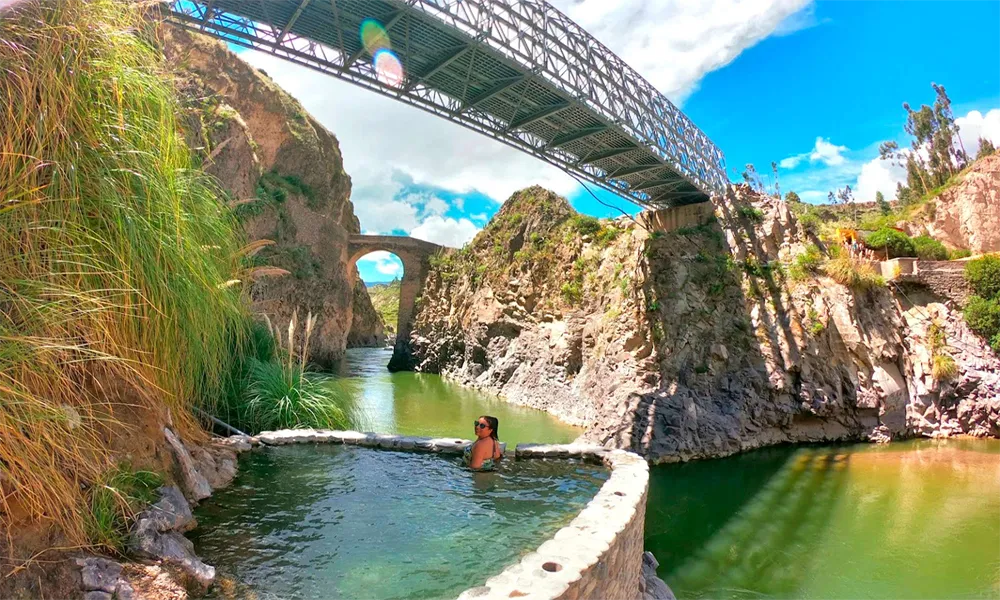
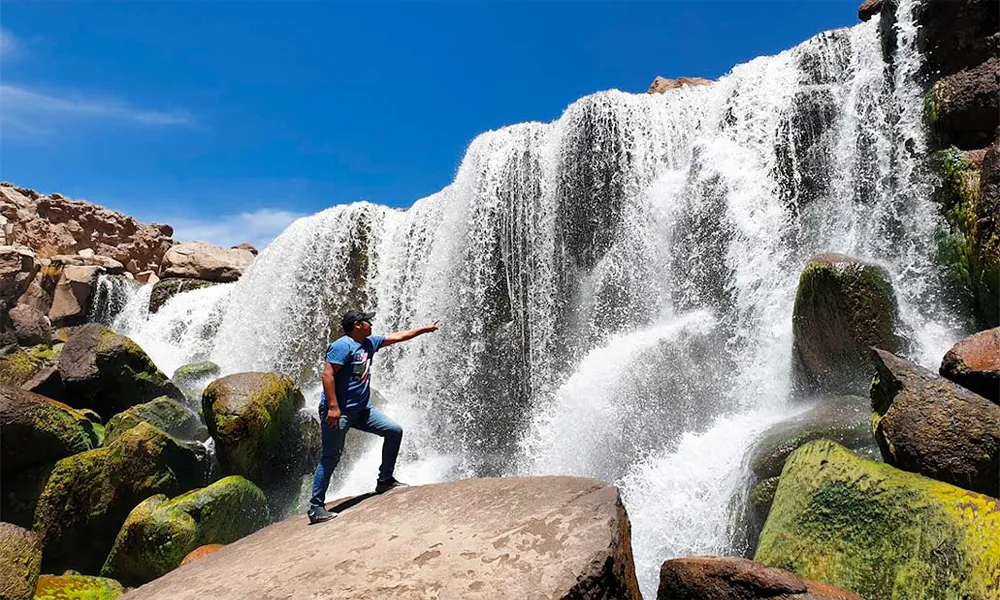
Yes — there is water along the route.
No — most of it is not safe to drink untreated.
Even if a mountain stream looks crystal clear, it can contain microorganisms (bacteria, protozoa) or contamination from animals and upstream activity.
The smart strategy =
Hydration plan + sufficient capacity + reliable purification method. ✅
1️⃣ Is There Water on Salkantay?
You’ll typically find:
- Mountain streams and springs
- Water points near camps
- Small shops or villages (mainly in lower jungle sections)
Availability is reasonable, but:
- Water points vary depending on stage and season
- Some stretches have no obvious refill spots
- You should refill whenever you can (and treat it)
2️⃣ If You Go With an Agency 👥
Most organized tours:
- Provide boiled and/or treated water at camps (morning & evening)
- Allow refilling before departure
- Sometimes offer refill stops during the day
⚠️ However:
- Water is often only available at specific times
- During the day, you rely on what you carry
- Having your own purification backup is smart
Practical Recommendation (with agency):
- Carry 2–3 liters capacity
- Bring purification tablets as backup
3️⃣ If You Go Independently 🧭
You’re fully responsible for water management.
You’ll need to:
- Identify water sources
- Treat all water
- Plan capacity and refill timing
Best setup for independent trekkers:
- Primary method: portable filter
- Backup: purification tablets
4️⃣ How Much Water Do You Need Per Day? 💦
Depends on:
- Altitude
- Effort level
- Temperature
- Sweat rate
- Electrolyte use
Realistic ranges:
- Minimum: 2 liters/day
- Average ideal: 2.5 liters/day
- Hard or hot days: up to 3 liters
📌 Important: At altitude, you often don’t feel thirsty, but you still dehydrate. Drink on a schedule, not by sensation.
5️⃣ The Most Demanding Day: Salkantay Pass ⛰️
On pass day:
- Higher effort
- Cold but increased respiratory fluid loss
- Strong sun radiation possible
Recommendation:
- Start with 2.5–3 liters
- Drink at intervals
- Avoid chugging everything early
- If allowed, bring a small thermos with a warm drink
6️⃣ Water Purification Methods Explained 🧪
✅ 6.1 Portable Filter (Best All-Around Option)
Filters bacteria and protozoa — ideal for mountain streams.
Pros:
- Fast
- No battery required
- No chemical taste
- Excellent autonomy
Cons:
- Can clog in muddy water
- Takes space
💡 Pro tip: If water is turbid, pre-filter with a cloth or bandana.
👉 Best for independent trekkers or autonomy-focused hikers.
✅ 6.2 Purification Tablets (Best Backup) 💊
Disinfect chemically (depending on compound).
Pros:
- Extremely lightweight
- Cheap
- Great emergency solution
Cons:
- Waiting time required
- Possible taste change
- Less convenient for daily heavy use
👉 Ideal as backup — even on organized tours.
✅ 6.3 UV Sterilizers 🔦
Use UV light to disinfect.
Pros:
- Fast
- No taste change
- Lightweight
Cons:
- Requires battery
- Needs clear water to work effectively
👉 Best for experienced users who manage battery carefully.
✅ 6.4 Boiling (Camp Method) 🔥
Classic and reliable.
Pros:
- Very effective
- Common on guided tours
Cons:
- Requires fuel and time
- Not practical mid-hike
👉 Most common in organized camps.
7️⃣ Hydration System: Bottles or Bladder? 🎒
🟦 Hydration Bladder
Pros:
- Encourages frequent sipping
- Hands-free
Cons:
- Harder to monitor volume
- Cleaning is more complex
- Tube can freeze (rare but possible in extreme cold)
🟩 Bottles
Pros:
- Easy to measure intake
- Easy to refill and treat
- Durable
Practical Setup:
1 hydration bladder + 1 bottle = flexibility and backup.
8️⃣ Electrolytes: Helpful? ⚡
Yes, especially if:
- You sweat heavily
- It’s warm in lower jungle areas
- You experience cramps
- Appetite is reduced
Use them particularly:
- On pass day
- During hot lower sections
- But remember: electrolytes do not replace water.
9️⃣ Common Mistakes ❌
- “It looks clean, it must be safe.”
→ Always treat water. - “It’s cold, I don’t need much.”
→ You still lose fluids at altitude. - “1 liter is enough.”
→ You’ll fatigue faster. - “I don’t need backup.”
→ Tablets weigh almost nothing.
🔟 Simple No-Fail Hydration Plan ✅
If With Agency:
- 2–3L carrying capacity
- Use boiled water at camp
- Tablets as backup
If Independent:
- 2.5–3L capacity
- Filter as main method
- Tablets as backup
- Refill whenever possible
🏁 Final Conclusion
There is water along the Salkantay Trek — but most of it requires treatment.
The winning combination is:
✔ Clear hydration plan
✔ Adequate carrying capacity
✔ Reliable purification method
Hydrating well improves altitude tolerance, reduces headaches, and makes the trek far more enjoyable 💧🏔️✨