Real Risks, How the Experience Changes, and How to Prepare Properly: Salkantay Trek in the Rainy Season 🌦️🏔️
The Salkantay Trek is one of the most spectacular routes to Machu Picchu, but conditions change noticeably during the rainy season in the Cusco region.
The trek isn’t automatically canceled in wet months — but it does require better preparation, tolerance for variable conditions, and a clear understanding of real risks.
Here’s a structured guide to help you decide whether this season is right for you.
🌦️ 1️⃣ How Weather Changes in the Rainy Season
During wetter months:
- Rain often concentrates in the afternoon
- Mornings can start clear
- Cloud cover is common at higher elevations
- Rain can be intense but short
- Humidity increases in the lower sections
At Salkantay Pass, weather can change in minutes.
⚠️ 2️⃣ Main Risks in the Rainy Season
🥾 Muddy trails
- Higher slip risk
- Descents become more demanding
- Some sections may feel unstable
🪨 Wet rocks
- Reduced grip
- Extra caution needed on steep slopes
🌊 Rising streams
- Crossings may become harder
- Temporary route detours may be necessary
🌫️ High-altitude fog
- Reduced visibility
- Less panoramic scenery
- Colder “feels like” temperature
🧥 Prolonged wet clothing
- Higher cooling risk
- Constant discomfort
- Gear takes longer to dry
🌄 3️⃣ Impact on Scenic Experience
In the rainy season, you often get:
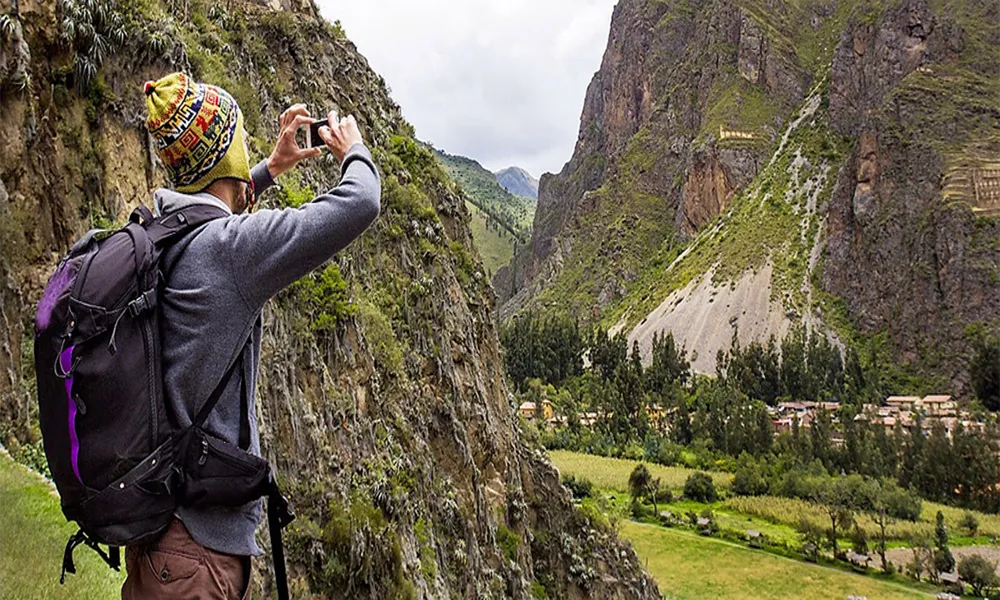
✅ Much greener landscapes
✅ Vibrant vegetation
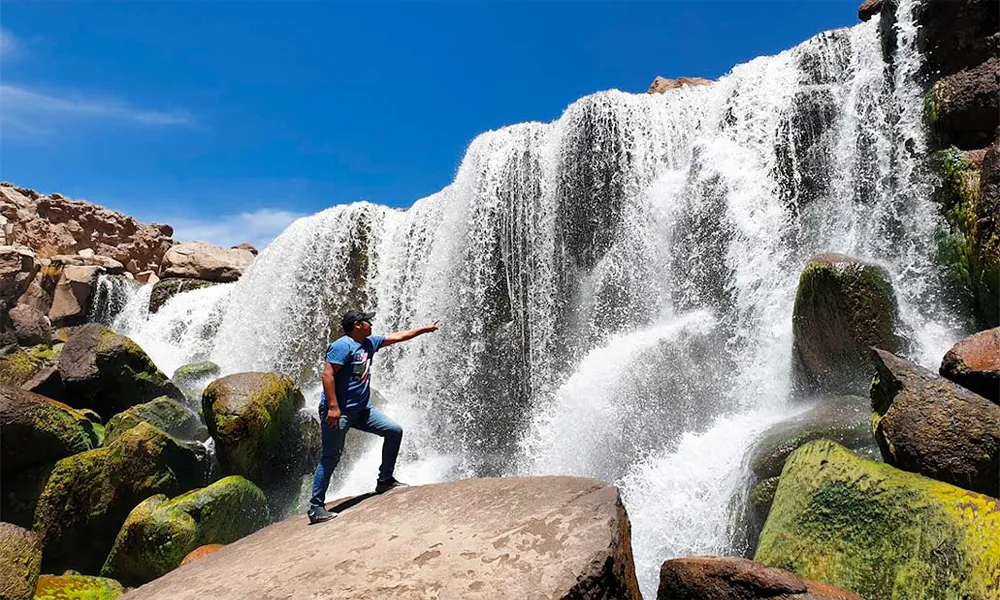
✅ Stronger waterfalls
✅ Mystical atmosphere with low clouds
✅ Fewer trekking groups
But:
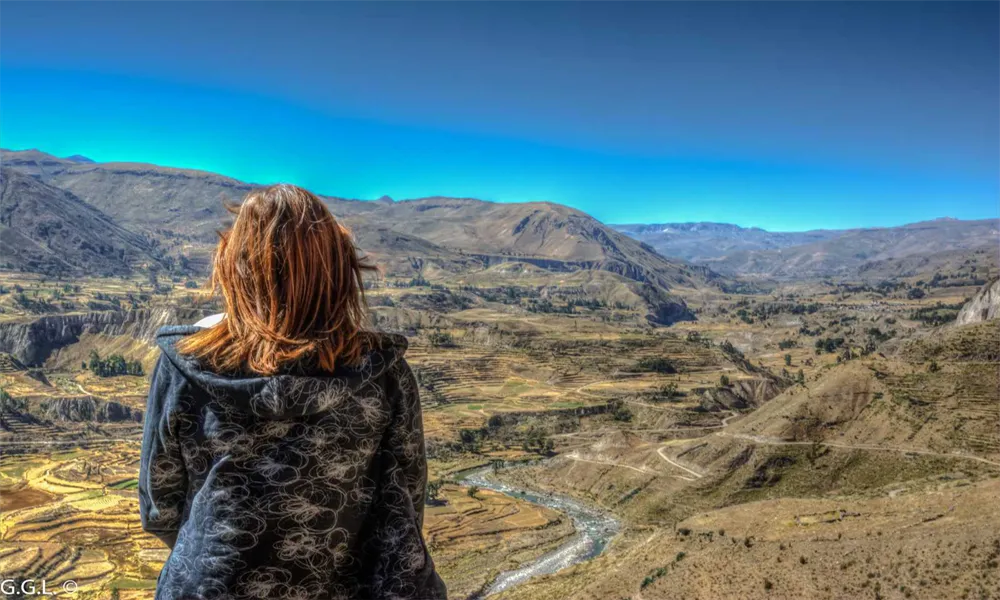
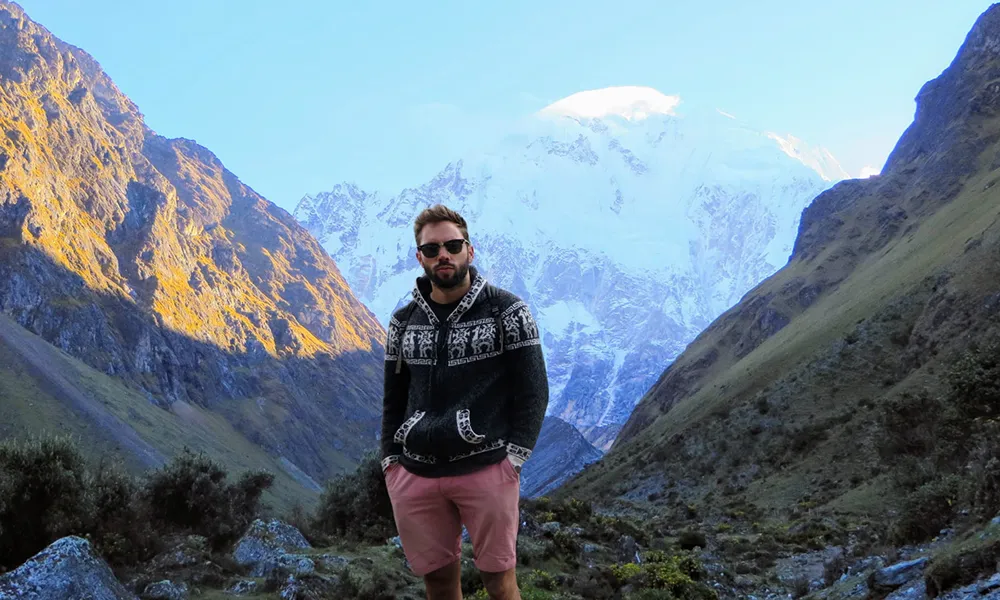
- Glacier views can be covered
- Clear sunrises are less common
- Wide panoramic photos may be limited
🏔️ 4️⃣ Does Difficulty Increase?
Yes — even though altitude and distance don’t change.
What makes it harder:
- Slippery terrain
- Slower pace for safety
- Higher physical wear from constant humidity
- More concentration needed on descents
The trek can feel longer because conditions force you to move carefully.
🎒 5️⃣ Essential Gear for Wet Season
🧥 Clothing
- High-quality waterproof jacket
- Waterproof pants
- Thermal layers
- Extra socks
- Light waterproof gloves
🎒 Backpack protection
- Rain cover
- Internal dry bags
- Protection for electronics
🥾 Footwear
- Boots with strong traction
- Soles in good condition
- Proven waterproofing
🥾 Trekking poles
Highly recommended in wet season.
🧠 6️⃣ Strategies to Reduce Risk
🕒 Start hiking early
Rain usually intensifies later in the day.
🥾 Slow down on descents
Mud requires more control than altitude does.
🔄 Change wet clothing quickly
Don’t stay in damp clothes for hours.
📱 Protect documents and electronics
Always in waterproof bags.
👣 Stick to the main trail
Avoid shortcuts that increase erosion and risk.
🚑 7️⃣ Safety and Operator Protocols
A responsible agency in rainy season should:
- Evaluate conditions daily
- Adjust pace and timing
- Prioritize safety over speed
- Monitor the group’s physical condition
- Change camps if necessary
Weather can shift fast — flexibility matters.
📊 Detailed Comparison: Dry vs Rainy Season
| Aspect | Dry Season | Rainy Season |
|---|---|---|
| Trail | Dry and firm | Frequent mud |
| Views | Clear | Variable / cloudy |
| Photography | Clear skies | Dramatic atmosphere |
| Vegetation | Drier | Much greener |
| Tourists | Higher volume | Lower volume |
| Technical demand | Medium | Medium–High |
🌡️ 8️⃣ Is It Recommended for Everyone?
Rainy season is ideal if you:
- Have trekking experience
- Don’t mind walking in rain
- Want fewer crowds
- Enjoy green, cloudy landscapes
It may not be ideal if you:
- Want consistently clear skies
- Prefer dry terrain
- Are doing your first high-altitude trek
🏁 Conclusion
Doing the Salkantay Trek in the rainy season is absolutely possible — but the experience changes. Trails are more demanding, visibility can vary, and planning must be more careful.
In return, you get lush landscapes, fewer tourists, and a uniquely atmospheric Andean vibe. With the right gear and a flexible mindset, it can become an unforgettable adventure 🌿🏔️✨