Weather, Safety, and Key Tips
Choosing when to do the Inca Jungle Trek can completely change your experience. It’s not the same to descend by bicycle under a clear blue sky as it is to do so in fog and on a wet road. In this detailed guide, you’ll discover which months offer the best conditions, how the rainy season affects the trek, and the ideal time based on your travel style.
🌎 What is the Inca Jungle Trek and why does the weather matter so much?
The Inca Jungle Trek is an alternative route to Machu Picchu that combines adventure and nature:
- 🚵 Downhill biking from Abra Málaga
- 🥾 Hiking in the high jungle
- 🌊 Optional rafting
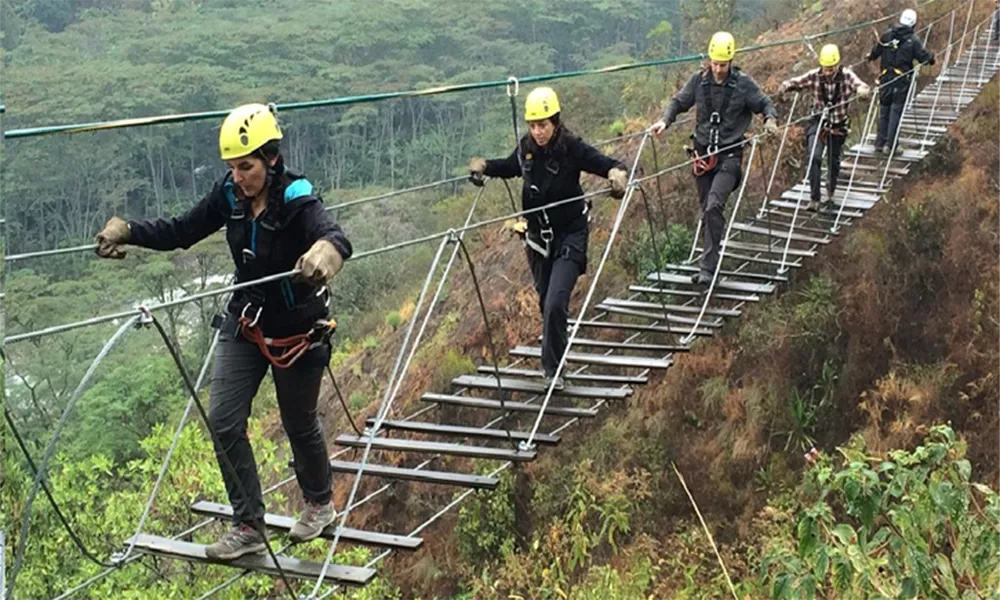
- 🪂 Optional ziplining
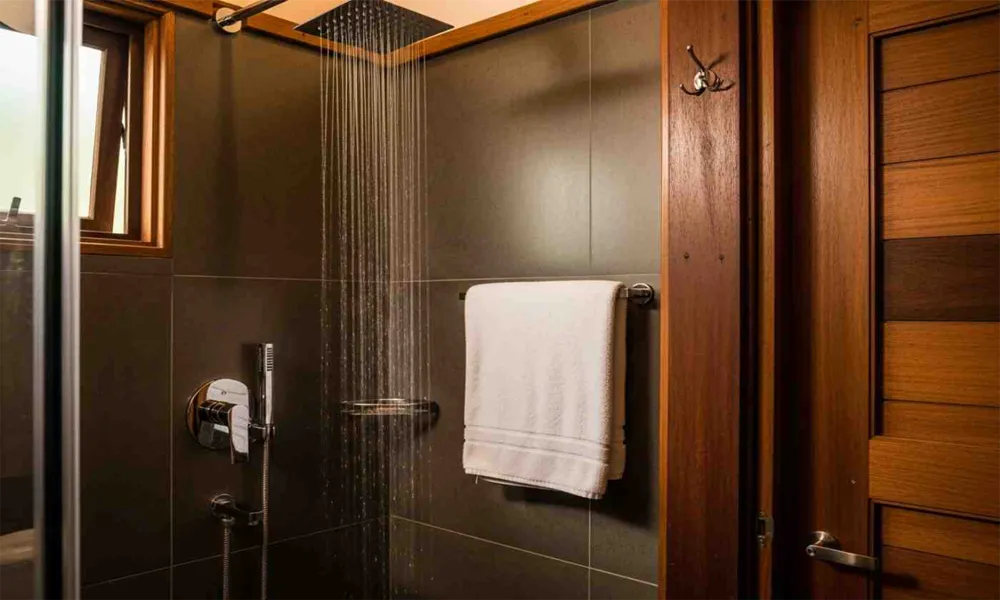
- 🏨 Hostel accommodations
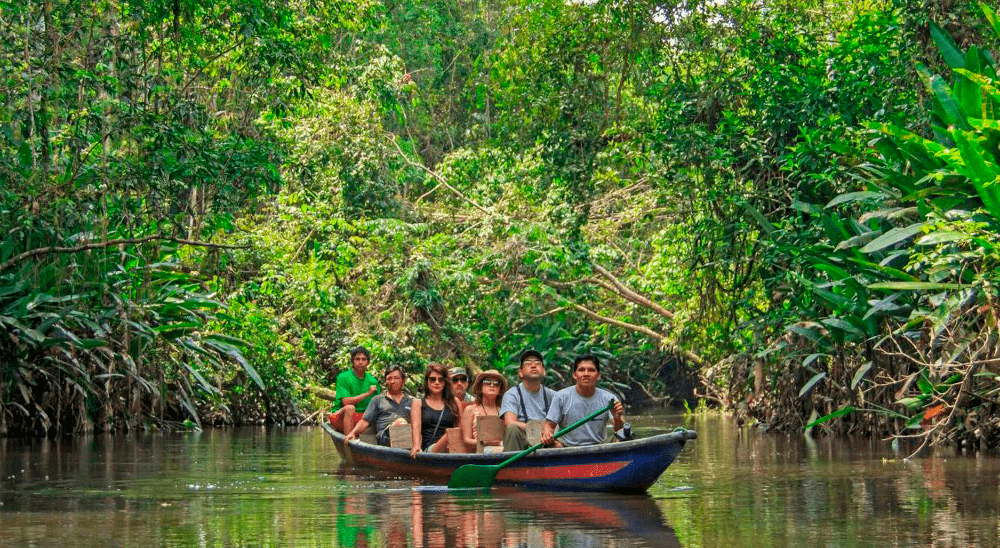
Unlike the Salkantay Trek, the Inca Jungle Trek starts at high altitude and descends rapidly into tropical areas. This means you’ll experience two different climates in just a few days.
☀️ Dry Season (approx. May to September)
This is considered the best time for most travelers.
🌤️ Weather Characteristics
- Clear skies
- Less rain
- Firmer trails
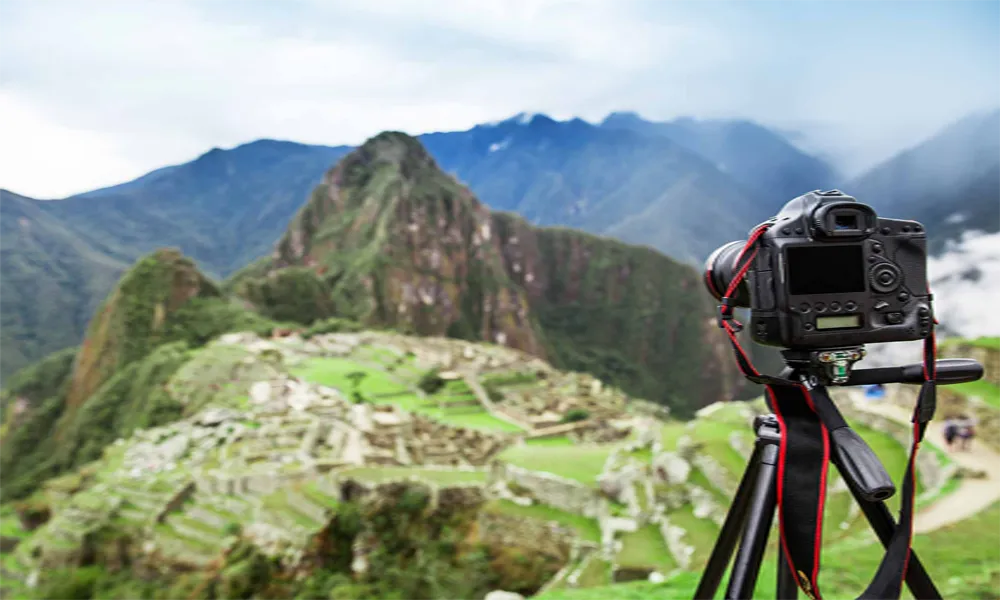
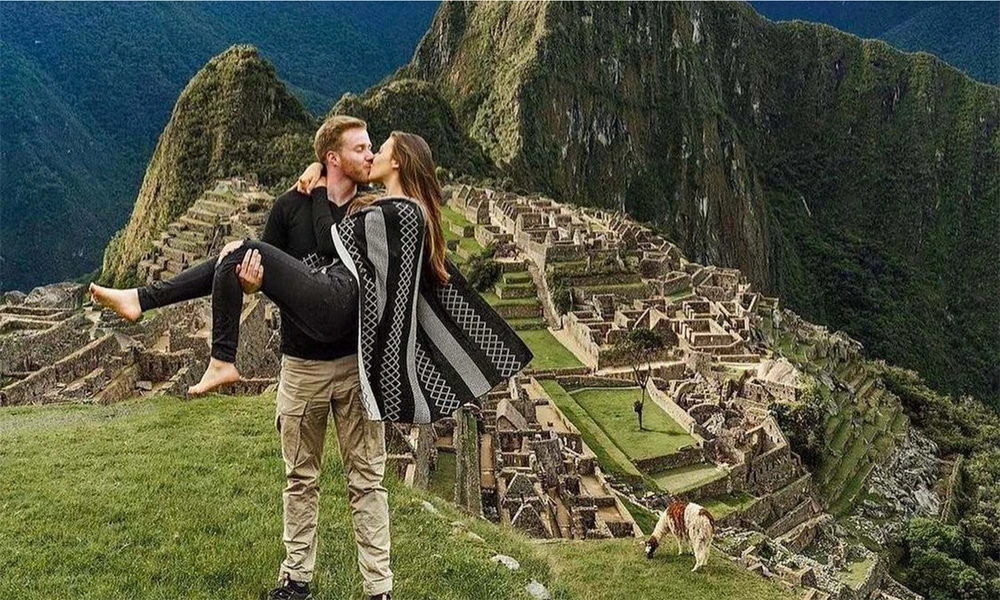
- Better visibility at Machu Picchu
- Cool temperatures at higher altitudes and warm temperatures in the jungle
✅ Advantages
- Safer downhill biking
- Lower risk of slipping
- More comfortable experience for beginners
- Better photo quality
❌ Disadvantages
- Higher demand
- Larger groups
- Slightly higher prices
🌧️ Rainy Season (approx. November to March)
The Inca Jungle Trek can be done during this season, but the experience changes.
🌦️ Weather Characteristics
- Frequent afternoon showers
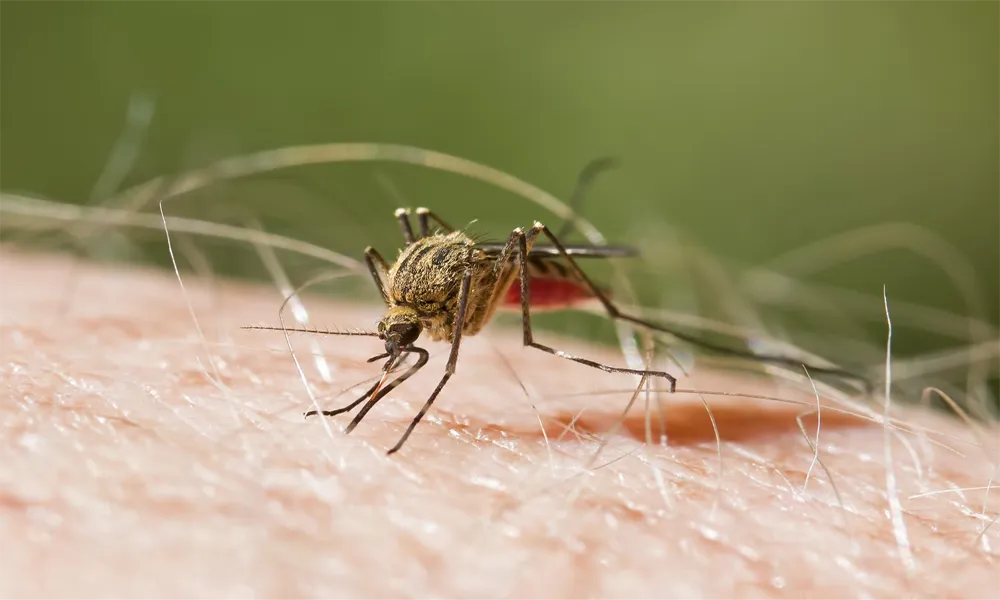
- Higher humidity in the jungle
- Slippery paths
- Possible fog at higher altitudes
✅ Advantages
- Greener landscapes
- Fewer tourists
- Occasional deals
❌ Disadvantages
- Greater physical difficulty
- More technical downhill biking
- Constantly damp clothing
- Possible logistical delays
📊 Climate and Experience Comparison Chart
| Factor | Dry Season | Rainy Season |
|---|---|---|
| Climate | Stable and dry | Variable and humid |
| Difficulty | Moderate | Moderate-High |
| Average Price | USD 500–700 | USD 450–650 |
| Crowds | High | Medium-Low |
| Biking Safety | High | Medium |
| Visual Experience | Clear | Greener |
🗓️ Month by Month: Detailed Analysis
🌤️ May
Ideal start to the dry season. Good balance between weather and fewer crowds.
☀️ June
Excellent weather, cool temperatures at higher altitudes.
🌞 July – August
Most popular months. Highest international tourism.
🌤️ September
Stable weather with fewer travelers than July.
🌦️ October
Transition; light rain is possible.
🌧️ November – March
Most pronounced rainy season, especially January and February.
🌿 April
Intermediate month with green landscapes and variable weather.
🌡️ Altitude and Microclimates
Maximum altitude: 4,300 m (Abra Málaga).
Then it descends into tropical rainforest.
In a single day you can experience:
- Andean chill in the morning
- Humid heat in the afternoon
- Light or heavy rain
The contrast is part of the charm… and the challenge.
💰 Transaction Value: Does the Price Change by Season?
Yes, but the difference is usually moderate.
💵 Average Range
- Dry Season: USD 500–700
- Rainy Season: USD 450–650
✅ Typically Includes
Transportation from Cusco
Bicycle and Helmet
Professional Guide
3 nights’ accommodation
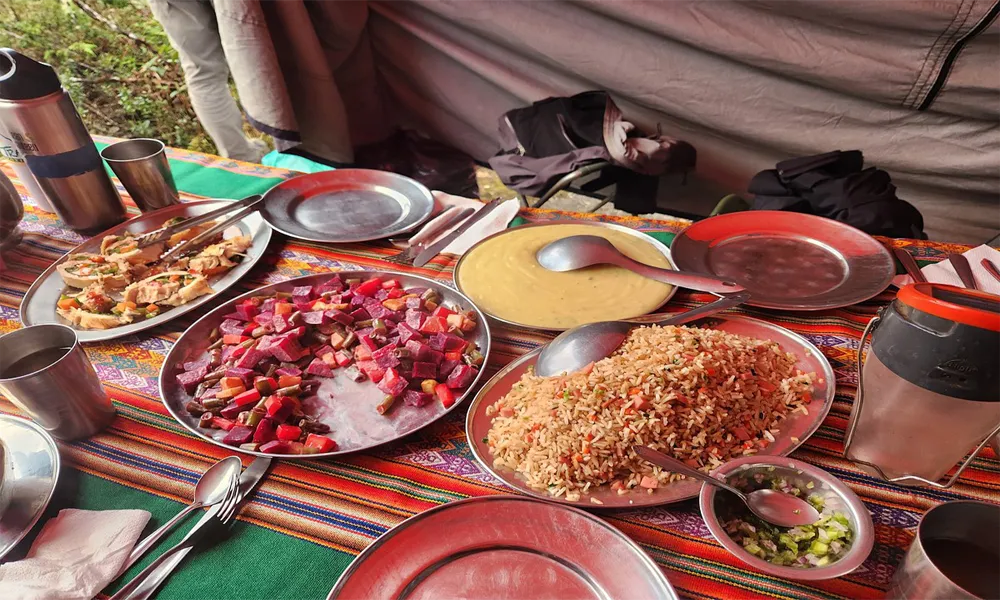
Partial meals
Entrance to Machu Picchu
Return train
❌ Does Not Include
- Ziplining or rafting
- Last lunch
- Travel insurance
🎒 Expert Pro-Tips for Foreigners
🧥 1. Layering System Required
- Waterproof Jacket
- Technical T-shirt
- Lightweight jungle clothing
- Extra dry change of clothes
💧 2. Constant Hydration
Humidity can increase fluid loss.
🏔️ 3. Acclimatization in Cusco
Spend at least 1–2 days in Cusco before starting.
🚵 4. Bicycle Safety
During the rainy season, check:
- Brakes in perfect working order
- Adequate tires
- Properly fitted helmet
🛡️ 5. Travel Insurance Recommended
Especially if you’re doing optional activities.
🤔 When is the best time to go?
- ✔ First time in Peru → Dry season.
- ✔ Looking for fewer tourists → Rainy season.
- ✔ Want ideal balance → May, June, or September.
The Inca Jungle Trek can be done year-round, but the dry season offers greater stability and safety, especially for those without prior experience on wet trails.
The rainy season adds a more challenging element, but also intensely green landscapes.