Altitude, Difficulty, and Key Tips for Planning Your Trek
We know that choosing the right trek to Machu Picchu can be confusing 😓: Is it too high? Is it dangerous? Is it really worth it? Here we explain in detail the altitude, difficulty, weather, real costs, and expert recommendations for the Salkantay Pass so you can make an informed decision without having to look for more information elsewhere.
What is the Salkantay Pass?
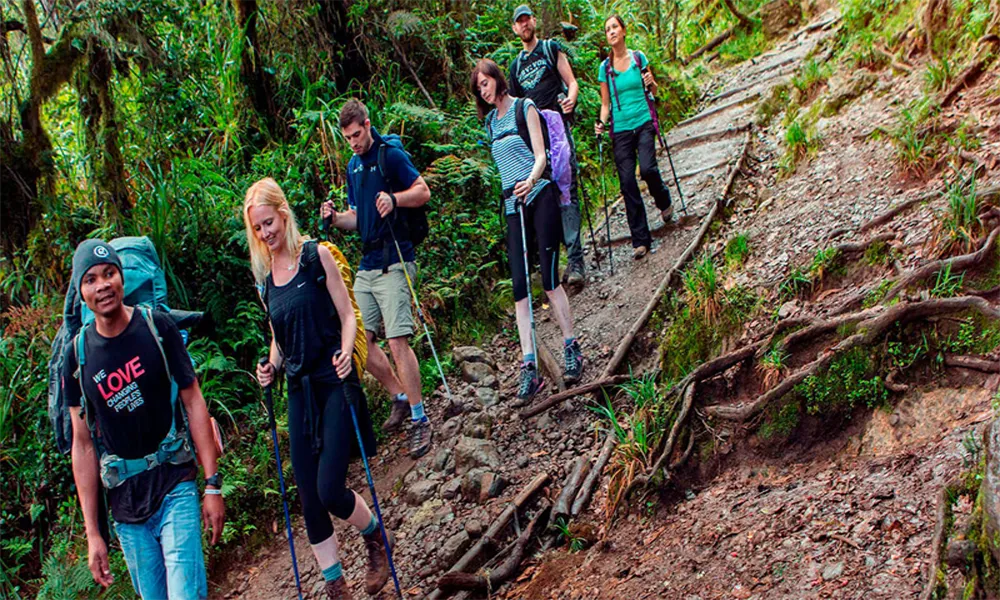
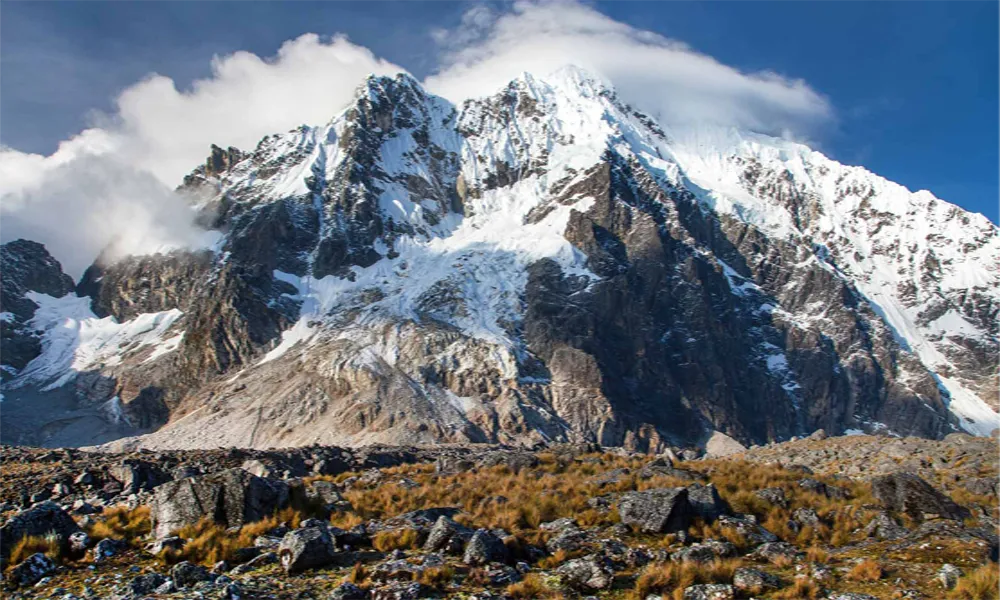
The Salkantay Pass is the highest point of the famous Salkantay Trek, one of the most spectacular alternative routes to Machu Picchu in the Cusco region of Peru.
- 📍 Maximum altitude: 4,630 meters (15,190 feet)
- 🏔 Location: Vilcabamba Range, Peruvian Andes
- ❄ Surrounded by the imposing snow-capped Salkantay Mountain
This mountain pass marks the most physically demanding moment of the trek, but also the most visually breathtaking.
Salkantay Pass Altitude: How demanding is it?
At 4,630 meters above sea level, the Salkantay Pass surpasses the highest point of the classic Inca Trail.
What does it mean to be at 4,630 meters?
At this altitude, oxygen levels are reduced by approximately 40% compared to sea level. This can cause:
- Headache
- Mild dizziness
- Nausea
- Rapid fatigue
- Shortness of breath
Is it dangerous?
It’s not dangerous if:
✔ You acclimatize properly in Cusco (at least 2 days)
✔ You walk at a steady pace
✔ You stay well hydrated
Most healthy travelers complete the trek without serious complications.
Difficulty of the Salkantay Pass vs. the Inca Trail
| Factor | Salkantay Trek | Classic Inca Trail |
|---|---|---|
| Maximum altitude | 4,630 m | 4,215 m |
| Physical difficulty | Moderate – High | Moderate |
| Terrain | Steep and rocky | Inca stone steps |
| Limited permits | No | Yes |
| Scenery | Glaciers + jungle | Archaeological ruins |
Clear Conclusion
The Salkantay Pass is more physically demanding due to:
- Higher altitude
- Longer ascent
- More intense weather changes
However, it offers more diverse landscapes and is less crowded.
Weather Conditions at the Salkantay Pass
The weather changes drastically between day and night.
Approximate Temperatures
- 🌡 Day: 8°C to 18°C
- ❄ Night: -5°C to 5°C
- 💨 Frequent winds at the pass
Seasons
Dry Season (April – October)
✔ Clear skies
✔ Better visibility of the snow-capped peaks
✔ Cold nights
Rainy Season (November – March)
✔ Greener landscapes
⚠ Higher probability of rain
⚠ Slippery trails
Summary Table for Quick Decision Making
| Key Metric | Salkantay Trek |
|---|---|
| Average price | $450 – $750 USD |
| Standard duration | 4 to 5 days |
| Maximum altitude | 4,630 m |
| Difficulty | Moderate – High |
| Best season | April – October |
| Government permit required | No |
| Ideal for | Active travelers |
How Does the Salkantay Trek Work?
The typical itinerary includes:
Day 1: Cusco – Soraypampa
Day 2: Crossing the Salkantay Pass (most challenging day)
Day 3: Descent into the high jungle
Day 4: Aguas Calientes
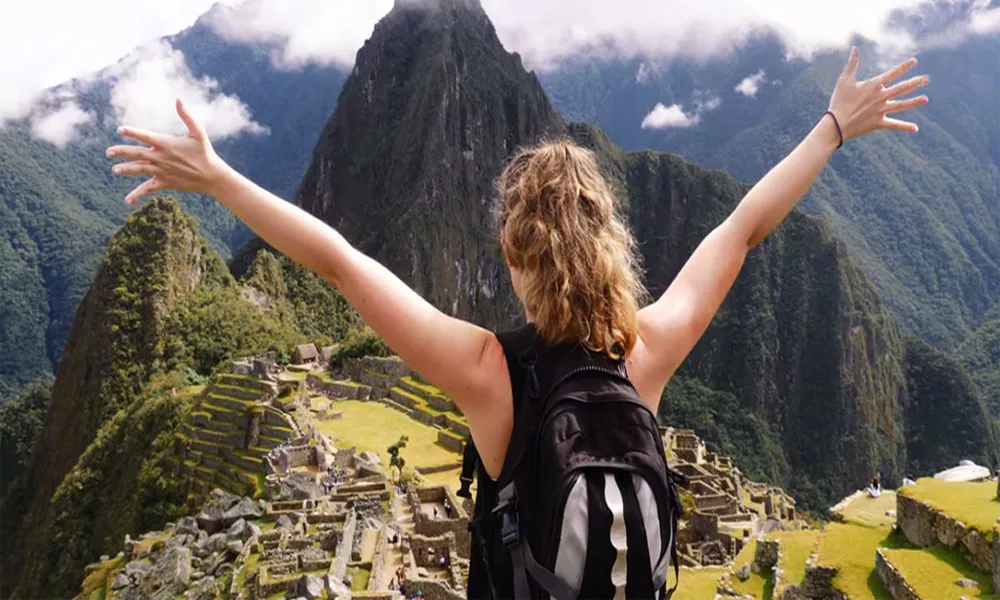
Day 5: Visit to Machu Picchu
The ascent to the Salkantay Pass usually takes place on the second day and lasts between 3 and 4 hours of continuous climbing.
Transactional Value: Actual Costs and What’s Included
💰 Average Price
- Group Tour: $450 – $550 USD
- Premium Service: $650 – $750 USD
✔ Typically Includes:
- Transportation from Cusco
- Certified Bilingual Guide
- All Meals En route
- Tents and Basic Camping Equipment
- Entrance to Machu Picchu
- Return Train to Cusco
❌ Typically Does Not Include:
- Sleeping Bag (additional rental)
- Trekking Poles
- Travel Insurance
- Tips for guide and porters
- Hotel before or after the tour in Cusco
Recommendation: Always check if the train is panoramic or standard.
Requirements for the Salkantay Trek
Physical Condition
- Ability to hike 6–8 hours daily
- Basic cardiovascular endurance
- No technical mountaineering experience required
Health
Not recommended for people with:
- Serious heart conditions
- Uncontrolled respiratory illnesses
- Lack of prior acclimatization
Specific Pro-Tips for Foreign Tourists 🌍
1️⃣ Strategic Acclimatization
Spend at least 48 hours in Cusco before starting the trek. Gentle activities like short walks help the body adapt.
2️⃣ Managing Altitude Sickness
- Stay hydrated
- Avoid alcohol for the first few days
- Eat light meals
- Consult your doctor about preventative medication
3️⃣ Essential Equipment
- Waterproof and windproof jacket
- Thermal layers
- Gloves and hat
- SPF 50+ sunscreen
- Sunglasses with UV protection
- Comfortable backpack with lumbar support
4️⃣ Travel Insurance
Make sure it covers trekking above 4,000 m (14,000 ft).
5️⃣ Cash
Bring Peruvian soles for small purchases and tips. There are no ATMs along the route.
Who is the Salkantay Trek Ideal For?
✔ Adventurers seeking glacial landscapes
✔ Travelers who didn’t get a permit for the Inca Trail
✔ People who prefer fewer restrictions
It’s not ideal for those looking for a short or easy hike.
Frequently Asked Questions
Is it more difficult than the Inca Trail?
Yes, mainly due to the altitude.
Is a special permit required?
No, unlike the Inca Trail.
Can it be done without a guide?
Technically, yes, but it’s not recommended for foreigners without high-altitude mountaineering experience.
Is it worth it?
Absolutely. It’s considered one of the most scenic routes in South America.
The Salkantay Pass represents the greatest challenge of the Salkantay Trek, but also its most epic moment 🏔. With proper preparation, good acclimatization, and the right equipment, it’s an achievable and deeply rewarding experience. If you’re looking for authentic adventure, stunning nature, and less crowded places, this route is one of the best options to Machu Picchu.