4-Day / 3-Night Salkantay Trek Itinerary (Super Detailed + Ultra Informative) 🏔️🌿➡️🏛️
This is the most popular Salkantay Trek format: 4 days / 3 nights, finishing at Machu Picchu. It’s challenging but unforgettable, with a clear landscape transition: high Andes (cold, snowy peaks) → cloud forest (warm, lush) → Machu Picchu.
📌 Important: times, distances, and camps can vary by operator and weather, but this guide is a realistic “model itinerary” to help you plan and understand what each day feels like.
🧭 Before You Start: How This Itinerary Works
✅ What a tour usually includes
- Transport Cusco → trek start
- Guide
- Meals during the trek (varies)
- Camping gear (tents or domes depending on package)
- Muleteers/horses for part of your luggage (common in many tours)
- 1 night in Aguas Calientes
⚠️ What is NOT always included
Machu Picchu entry ticket (sometimes yes, sometimes no)
Bus Aguas Calientes ↔ Machu Picchu
Return train
Tips, extra snacks, drinks
If you go independently, you organize everything: transport, lodging, food, entry ticket, and train.
⛰️ Key Facts for the 4D/3N Salkantay
- Highest point: Abra Salkantay (~4,600–4,650 m / 15,000+ ft) 🥶
- Difficulty: Moderate to high (altitude + long hiking days)
- Weather: can change a lot in one day (strong sun + wind + rain) 🌦️
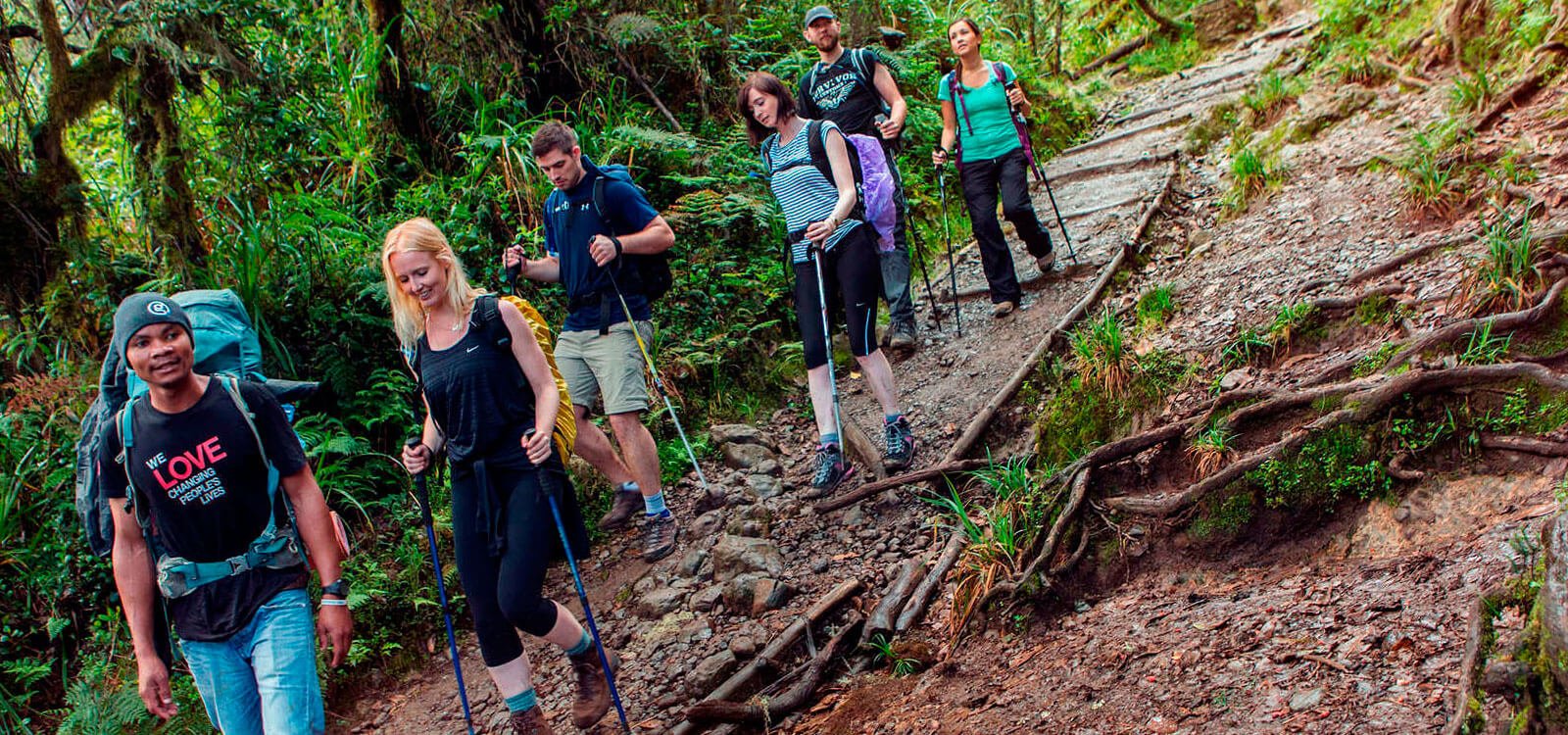
- Best strategy: acclimatize first, walk slow, layer up, use trekking poles ✅
✅ Day 1: Cusco → Mollepata → Soraypampa + Humantay Lake (Optional) 🏕️💙
🎯 Goal
Start the trek, find your rhythm, and (optionally) do the famous detour: Humantay Lake.
🚐 Typical transfer
- Early departure from Cusco
- Drive to Mollepata (registration + breakfast)
- Continue to Soraypampa (trailhead)
🥾 Hiking (approx.)
- Distance: 7–12 km (depends if you hike to Humantay)
- Hiking time: 3–5 hours total (not counting transfers)
- Camp altitude: Soraypampa ~3,900 m
💙 Humantay Lake (optional but highly recommended)
- Extra hike from Soraypampa:
- Steep climb (slope + altitude)
- 1.5–2.5 hours round trip (approx.)
If you feel dizzy or low-energy, skipping it is totally fine 🙂
🌙 Night 1 (camp)
- Traditional camping (tent) or glamping domes (depending on tour)
- Nights are cold: hat + gloves help a lot 🧤
✅ Day 1 Tips
- Don’t “play hero” today — take it easy.
- Save one dry set of clothes for sleeping.
- Hydrate constantly even if you don’t feel thirsty.
✅ Day 2: Soraypampa → Abra Salkantay → Down to Chaullay/Collpapampa 🏔️🥾
(The hardest day)
🎯 Goal
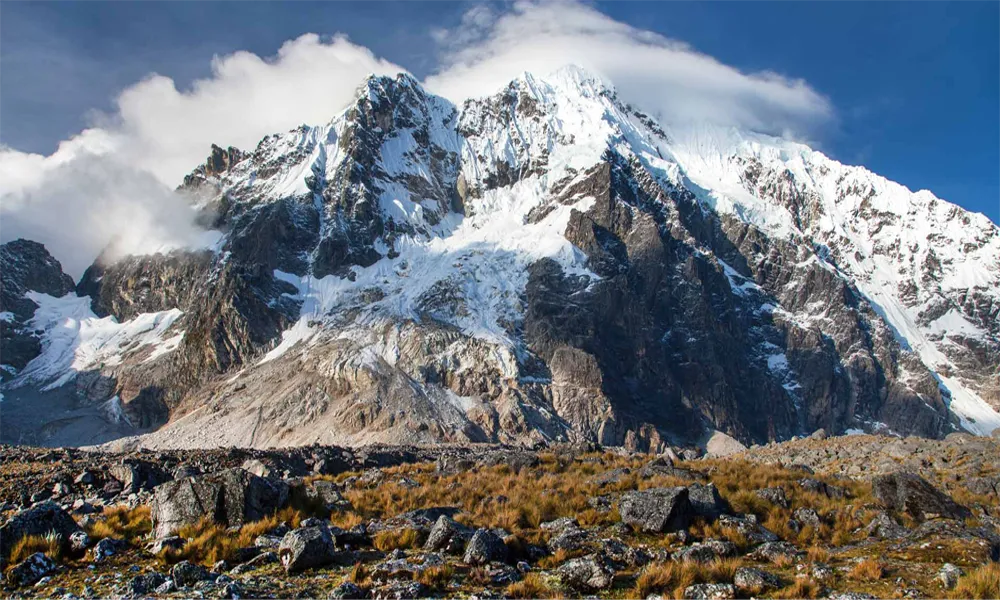
Cross Abra Salkantay, the highest and most demanding point.
🥾 Hiking (approx.)
- Distance: 18–24 km
- Duration: 7–10 hours (pace + weather + breaks)
- Highest point: ~4,600–4,650 m
- End-of-day camp: much lower, around ~2,800–3,000 m
🧊 What this day feels like
- Start early in the cold (sometimes before sunrise)
- The climb isn’t technical — it’s the altitude that hits
- At the pass:
- strong wind
- intense cold
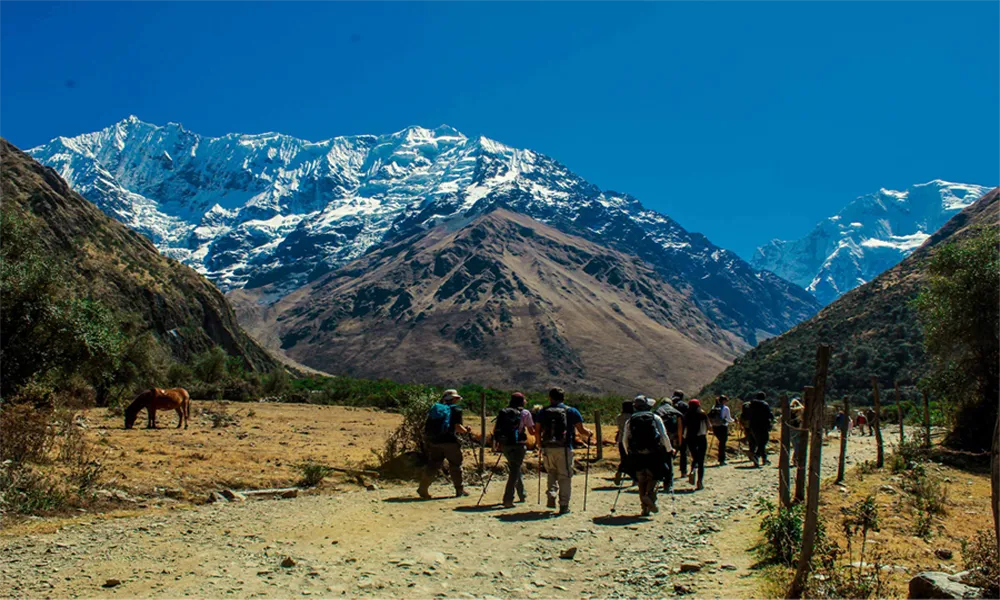
- epic views of the snowy peak 🏔️📸
Then a long descent (watch knees + ankles)
⚠️ Common risks today
- fatigue + mild altitude symptoms
- getting cold from sweat + wind
- slips if there’s frost/mud
✅ Day 2 Tips (key!)
- “Short steps, steady pace” wins 🐢✅
- Trekking poles help a LOT (up and down).
- Layers: base layer + fleece + windproof/waterproof shell.
- Eat snacks even if you don’t feel hungry.
✅ Day 3: Chaullay/Collpapampa → La Playa → Santa Teresa → Hydroelectric → Aguas Calientes 🌿🚶♂️🚆
🎯 Goal
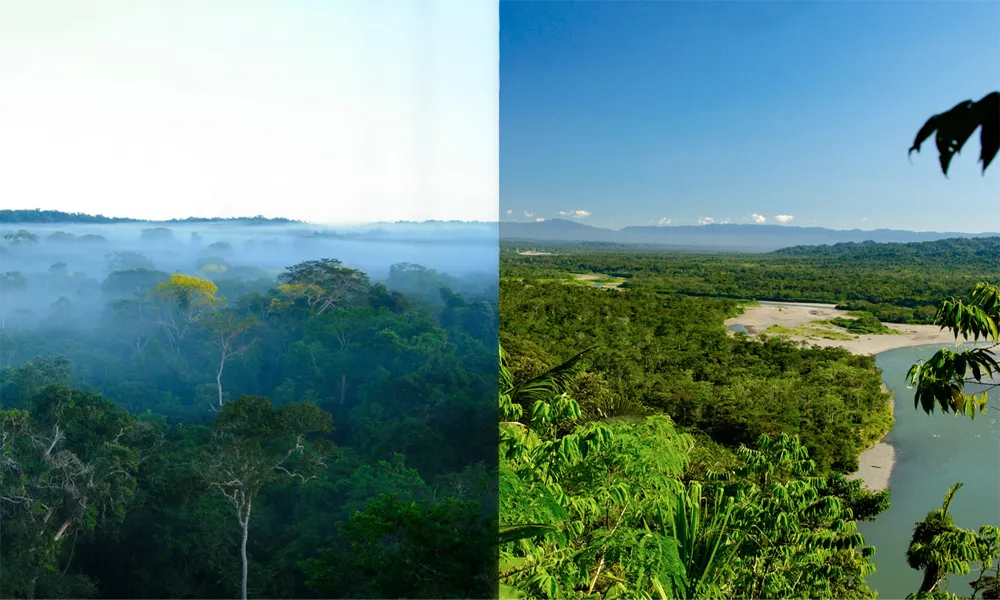
Enter the cloud forest/jungle zone, warmer and greener, and end the day sleeping in Aguas Calientes.
🥾 Hiking (approx.)
- Distance: 14–20 km (varies a lot by logistics)
- Duration: 5–8 hours (some walking + possible transfers)
- Altitude drops, breathing feels easier.
🌿 What you’ll see
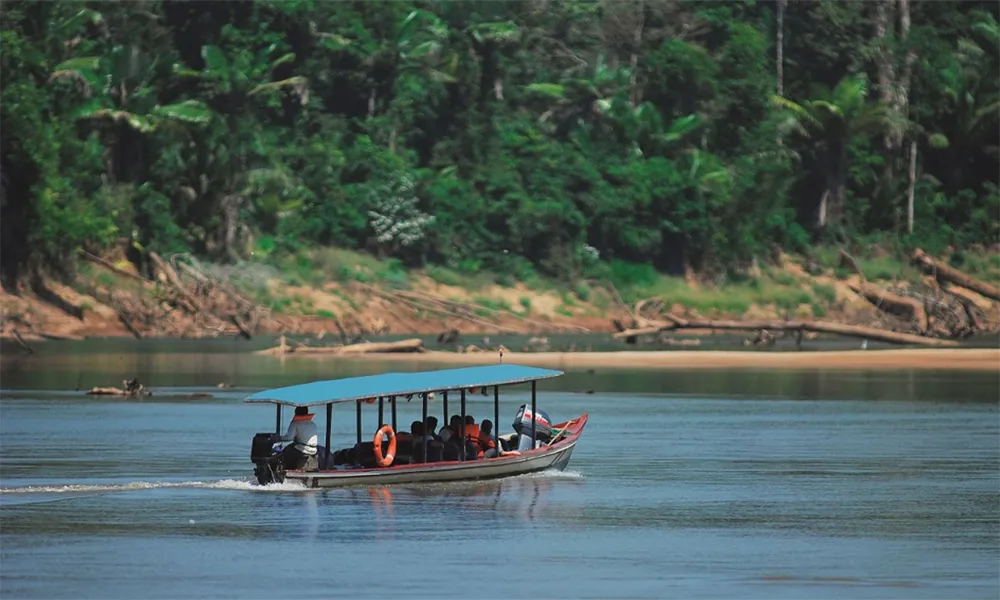
- rivers, lush vegetation, coffee farms
- warmer climate
- small villages
⚡ Hydroelectric → Aguas Calientes section
- Many itineraries include:
- Transfer to Hydroelectric
- Walk along the train tracks to Aguas Calientes
- 2–3 hours approx.
- Flat-ish but feels long if you’re tired.
🛏️ Night 3: Aguas Calientes
- Hotel/hostel (depends on tour level). Great time to:
- shower properly
- charge devices
- organize your bag for Machu Picchu
- sleep early 😴
✅ Day 3 Tips
- The danger today is getting overconfident — it’s warmer, you still need hydration.
- Replace salts/electrolytes if you sweat a lot.
- Have your Machu Picchu ticket + ID ready.
✅ Day 4: Machu Picchu + Return 🏛️✨🚆
🎯 Goal
Visit Machu Picchu calmly and return to Cusco.
⬆️ Getting up: bus or hike
- Bus: easier (recommended if you’re tired) 🚌
- Hike: demanding (stairs + heat) 🥵
⏰ Timing strategy
This day must match:
- your entry time
- your circuit
- your return train
Safe plan:
- go up with extra buffer time
- visit Machu Picchu
- go back down to Aguas Calientes
- eat + grab luggage
- arrive early for the train ✅
🚆 Typical return
- Train Aguas Calientes → Ollantaytambo
- Then van/bus to Cusco
✅ Day 4 Tips
- Don’t book the train “too tight.”
- Save tickets on your phone and offline (screenshot/PDF).
📊 Full Summary Table (4D/3N)
| Day | Route | Difficulty | Approx. Distance | Night |
|---|---|---|---|---|
| 1 | Soraypampa + optional Humantay | Medium | 7–12 km | Camp / Domes |
| 2 | Abra Salkantay + long descent | High | 18–24 km | Camp |
| 3 | Valley/cloud forest → Hydroelectric → Aguas Calientes | Medium | 14–20 km | Hotel/Hostel |
| 4 | Machu Picchu + return | Low–Medium | Varies | — |
🎒 What to Pack (Realistic 4D/3N List)
Clothing (layering system)
- 1–2 technical shirts
- 1 thermal base layer
- fleece or light insulated jacket
- waterproof/windproof shell ✅
- trekking pants + (optional) thermal leggings
- hat, gloves, buff/neck gaiter 🧤
Footwear
- hiking shoes/boots with good traction
- extra socks (helps prevent blisters)
Essentials
- sunscreen + sunglasses + cap ☀️
- headlamp 🔦
- basic first aid + blister care
- power bank
- dry bags / plastic bags to keep clothes dry
🧠 Common Mistakes (Avoid These)
- Going without acclimatizing ❌
- Overpacking (heavy backpack = suffering)
- Climbing to the pass too fast
- Not bringing a waterproof layer “because it’s sunny”
- Booking train/entry without coordinating schedules
❓ Quick FAQ
Is Day 2 always the hardest?
For most people, yes: altitude + climb + cold + fatigue.
Can you do it without a tour?
Yes, but you need solid logistics and careful timing/navigation.
Do I need trekking poles?
Not mandatory, but they help a ton—especially on long descents.