An Ecological Journey Through Altitudinal Zones on the Salkantay Trek
The Salkantay route is far more than a trekking path to Machu Picchu. It functions as a biological corridor, linking high Andean alpine ecosystems with tropical cloud forest in just a few days.
This is a scientific–naturalist walkthrough of the trek, organized by ecological stages and focused on adaptation, biodiversity, and environmental observation.
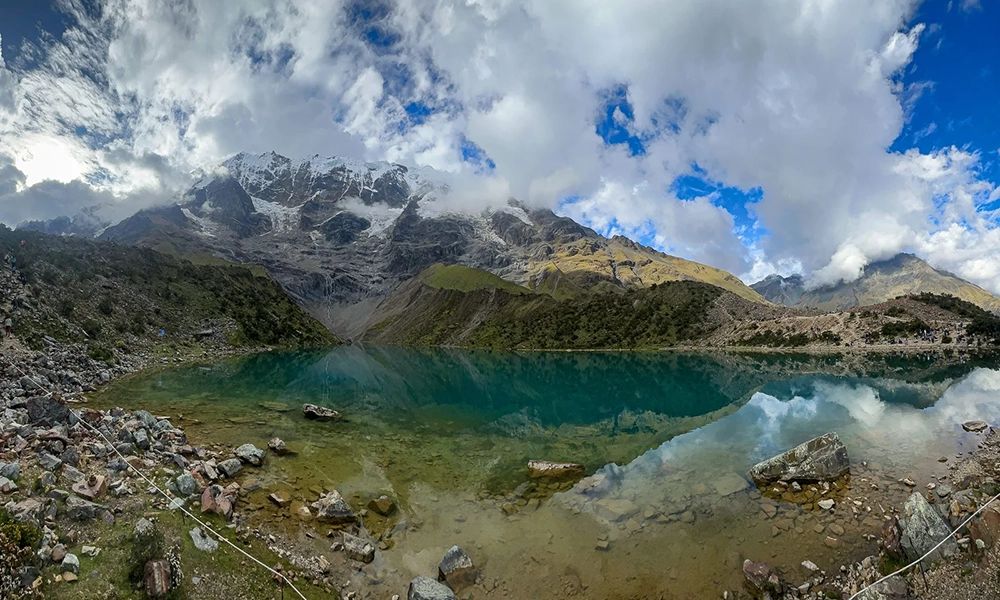
🏔️ STAGE 1: High-Altitude Glacial Zone (Above 4,000 m)
🌬️ Climate & Environmental Conditions
- Low temperatures
- Strong winds
- High UV radiation
- Thin atmosphere
- Sparse, stress-tolerant vegetation
Life here survives at its physiological limits.
🌾 Dominant Flora
- Ichu grass (high-Andean bunchgrass)
- Cushion plants
- Cold-resistant lichens
- Slow-growing alpine species adapted to poor soils
These plants play critical ecological roles:
- Soil stabilization
- Water retention
- Erosion control
Growth is extremely slow — disturbance recovery can take decades.
🦅 Characteristic Fauna
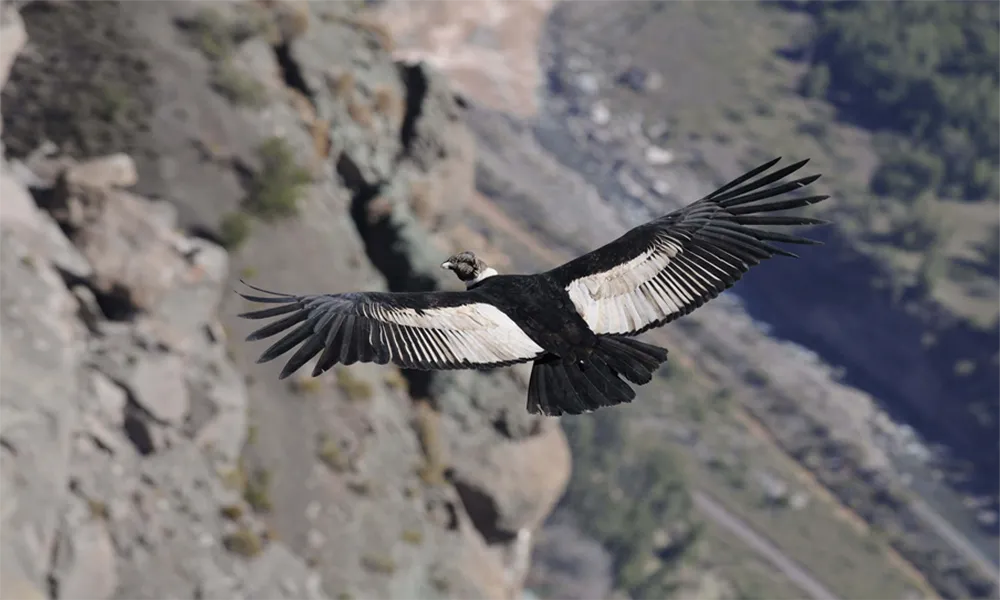
🦅 Andean condor
- Uses thermal air currents to glide
- Scavenger essential to ecosystem balance
- Deeply embedded in Andean cosmology
🐇 Vizcacha
- Rock-dwelling rodent
- Active at dawn and dusk
- Well adapted to cold and open terrain
Small Andean Rodents
- Burrow dwellers
- Key prey species for raptors
📌 Biodiversity is low in numbers but highly specialized.
🌾 STAGE 2: Mid-Andean Transitional Zone (3,000–4,000 m)
🌤️ Environmental Shift
- Moderating temperatures
- Increased vegetation density
- Ecological transition zone
This band represents adaptive flexibility.
🌿 Flora
- Andean shrubs
- Native medicinal plants
- Natural grasslands
- Agricultural species linked to local communities
Many species here have long-standing traditional medicinal uses.
🦊 Fauna
🦊 Andean fox
- Omnivorous
- Highly adaptable
- Typically crepuscular
Raptors
- Hawks
- Caracaras
- Frequently observed in open valleys
Biodiversity gradually increases in both abundance and ecological complexity.
🌿 STAGE 3: Cloud Forest / Montane Forest (2,000–3,000 m)
This is the most dramatic ecological transition.
🌦️ Climate
- High humidity
- Persistent mist
- Dense vegetation
- Warmer temperatures
Moisture becomes the defining ecological factor.
🌺 Flora Highlights
🌸 Orchids
- Remarkable species diversity
- Often epiphytic (growing on trees)
- Microclimate-dependent
- Frequently small and subtle
🌱 Ferns & Mosses
- Indicators of high humidity
- Retain water in forest structure
- Support microhabitats
🌳 Epiphyte-Laden Trees
- Create vertical ecosystems
- Host insects, amphibians, birds
The forest operates in layers — from soil to canopy.
🐦 Cloud Forest Fauna
🐦 Hummingbirds
- Numerous species
- Iridescent plumage
- Specialized flower relationships
- Extremely high metabolic rates
Their presence signals ecosystem health.
Small Forest Birds
- Often heard more than seen
- Peak activity at dawn
- Dense understory dwellers
🦋 Pollinators
- Butterflies
- Native bees
- Beetles
Species richness increases exponentially in this zone.
🔬 Ecological Adaptation Across Altitude
| Altitude Zone | Primary Adaptation Strategy |
|---|---|
| High Mountain | Extreme cold tolerance |
| Mid-Andean | Dietary flexibility |
| Cloud Forest | Humidity dependence |
Each altitudinal band hosts species adapted to highly specific microclimates.
🌎 Ecological Importance of the Salkantay Corridor
The Salkantay mountain system:
- Regulates regional water sources
- Connects Andean and Amazonian ecosystems
- Maintains biodiversity exchange
- Functions as a climate buffer
Glacial retreat and climate change directly threaten this balance.
📸 Responsible Wildlife Observation
To minimize impact:
- Do not remove plants
- Do not feed wildlife
- Avoid artificial bird calls
- Keep distance
- Stay on established trails
Wild ecosystems depend on visitor behavior.
🧠 How to Observe More Wildlife
- Walk quietly
- Scan open skies at high altitude
- Listen carefully in cloud forest
- Wake early
- Be patient
The Salkantay is not a safari — but it is biologically rich.
📊 Ecosystem Comparison
| Ecological Zone | Flora | Key Fauna | Biodiversity Level |
|---|---|---|---|
| High Mountain | Ichu grass | Andean condor | Low but specialized |
| Mid-Andean | Shrubs | Andean fox | Moderate |
| Cloud Forest | Orchids | Hummingbirds | High |
The Salkantay Trek is a living ecological gradient — from glacial Andean summits to humid tropical forest. From the soaring flight of the Andean condor to the hidden delicacy of a cloud forest orchid, each stage reveals a distinct dimension of Peruvian biodiversity.
Approaching the trek with a naturalist’s perspective transforms it into more than a hike.
It becomes a scientific, cultural, and environmental immersion.