Future Perspectives on Manu Conservation in the Face of Mining, Logging, and Agricultural Expansion
The Amazon is under pressure, and it’s natural to wonder whether Manu will remain intact. The good news: real protection strategies are in place. Here you’ll discover the future conservation outlook for Manu in the face of mining, logging, and agricultural expansion—what it means for your trip, and how you can help support its protection.
🌎 Why Is Manu’s Conservation So Important?
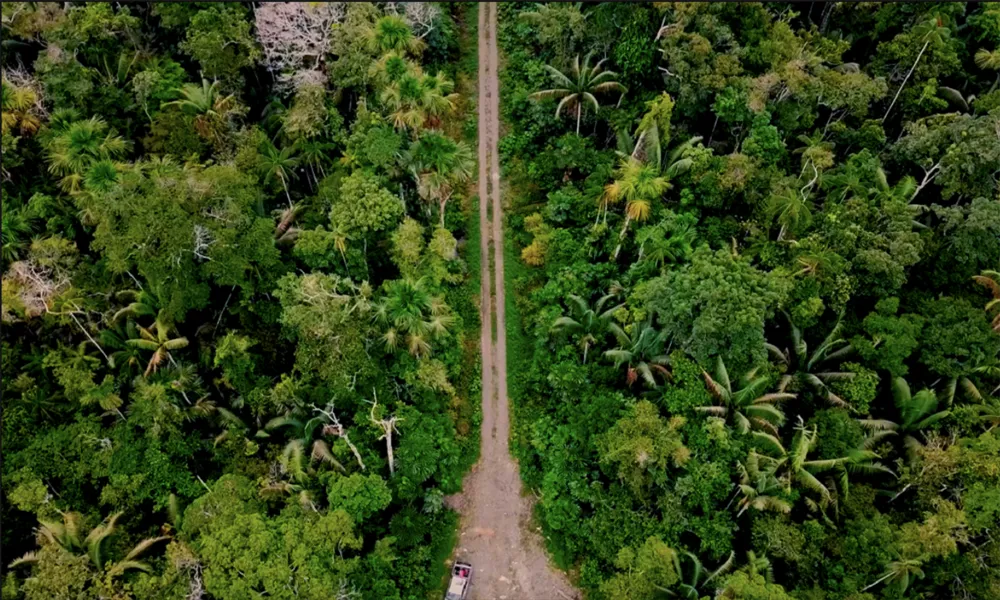
Manu National Park is one of the most biodiverse areas on Earth. It is home to:
- Over 1,000 bird species 🦜
- Jaguars, monkeys, and giant river otters
- Protected Indigenous communities
It is a UNESCO Natural World Heritage Site and a strictly protected core conservation area.
⚠️ Current Threats: Mining, Logging, and Agricultural Expansion
⛏️ Illegal Mining
Primarily in the Madre de Dios region.
Impacts include:
- Mercury contamination
- Accelerated deforestation
- River ecosystem disruption
🌳 Illegal Logging
- Forest fragmentation
- Loss of critical habitats
🌱 Agricultural Expansion
- Conversion of forest into farmland
- Pressure on buffer zones
Important: The Reserved Zone of Manu has strict protection, but buffer areas do face external pressures.
🛡️ How Is Manu Protected?
📜 Legal Framework
- Supervised by SERNANP (Peru’s National Service of Natural Protected Areas)
- UNESCO World Heritage designation
- Limited access control
🚫 Key Restrictions
- Daily visitor quotas
- Intangible zones with no tourism allowed
- Total prohibition of mining within the park
🌍 Role of Sustainable Tourism
Responsible tourism generates income that strengthens conservation efforts and provides an alternative to extractive industries.
📊 Conservation vs Extractive Activities
| Factor | Manu Conservation | Mining / Logging |
|---|---|---|
| Environmental Impact | Low | Very High |
| Job Creation | Sustainable tourism | Extractive |
| Duration of Benefits | Long-term | Short-term |
| Regulation | High | Variable |
| International Image | Positive | Negative |
✔️ Responsible Tours Include:
- Official permits
- Certified guides
- Park entrance fees
- Indirect contribution to conservation
❌ Not Included:
- Optional conservation donations
- Carbon footprint compensation
💡 Part of your tour payment helps fund park surveillance and environmental monitoring.
🌦️ Is Visiting Manu at Risk?
No. The tourism zones remain:
- Regulated
- Monitored
- Operational year-round
The best time to visit continues to be May through September (dry season).
🎒 Requirements for a Responsible Trip
- Book with an authorized operator
- Avoid informal entry routes
- Follow environmental protocols
- Be cautious of suspiciously cheap tours
🧠 Pro Tips for Travelers
1️⃣ Ask About Certifications
- Check whether the operator follows sustainable practices.
2️⃣ Reduce Your Footprint
- Bring a reusable water bottle
- Avoid single-use plastics
3️⃣ Prepare for the Climate
- 30–35°C (86–95°F) in the rainforest
- High humidity
- Lightweight technical clothing
4️⃣ Altitude in Cusco
- Tours begin in Cusco (3,399 m / 11,152 ft).
- Acclimatize at least 24 hours before departure.
5️⃣ Be an Ambassador
- Share responsible information and do not promote illegal activities.
🔮 Future Outlook for Manu
Optimistic Scenario
- Increased investment in monitoring
- Growth of sustainable tourism
- Strengthened environmental education
Critical Scenario
- Uncontrolled agricultural expansion in buffer zones
- Increased external mining pressure
Currently, the situation is stable with regional challenges, but the park’s core protected area remains strongly safeguarded.
Manu National Park faces external pressures, but its protected core continues to be one of the safest ecosystems in the Amazon. Responsible tourism is part of the solution—not the problem.
Traveling informed allows you to experience the rainforest while contributing to its long-term conservation.