Ecosystem Differences: Cloud Forest, High Rainforest and Low Rainforest in Manu
We know that choosing between cloud forest, upper jungle, or lowland rainforest can be confusing when planning your trip to Manu. The good news? Here you’ll understand their real differences, climate, wildlife, and costs. In just a few minutes, you’ll know which ecosystem best fits your budget and travel style.
🌿 What Are the Ecosystem Differences in Manu?
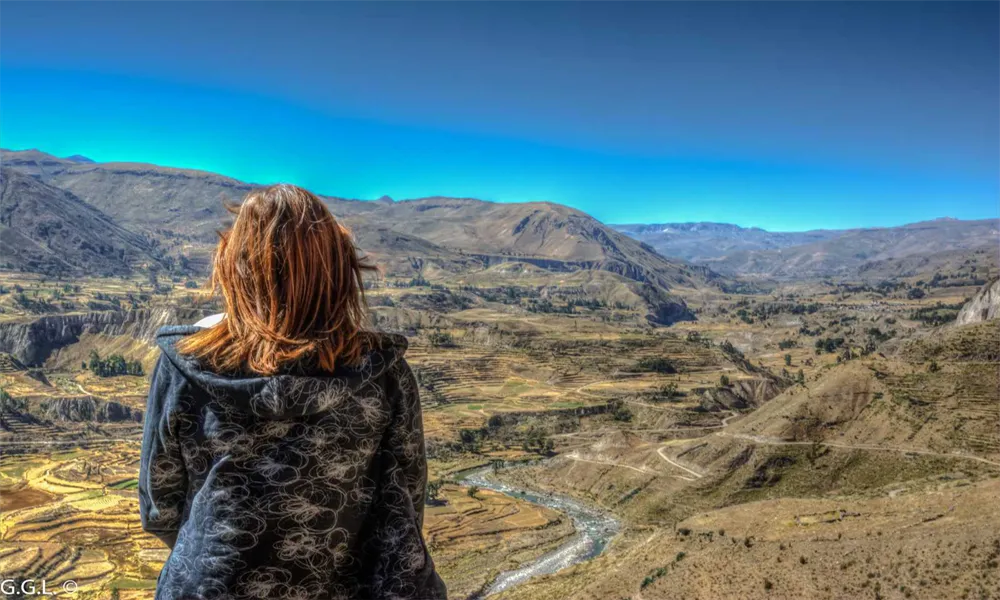
Manu National Park is one of the few places on Earth where you can travel across three distinct Amazonian ecosystems in a single journey — from the Andes to the deep rainforest. It is a UNESCO Natural World Heritage Site.
Its dramatic altitudinal gradient creates unique microclimates that determine landscapes, biodiversity, and the type of tourist experience.
🌫 Cloud Forest
Altitude:
- 1,500 – 3,500 meters (4,900 – 11,500 ft)
Climate:
- Cool and humid, with constant mist
Notable Wildlife:
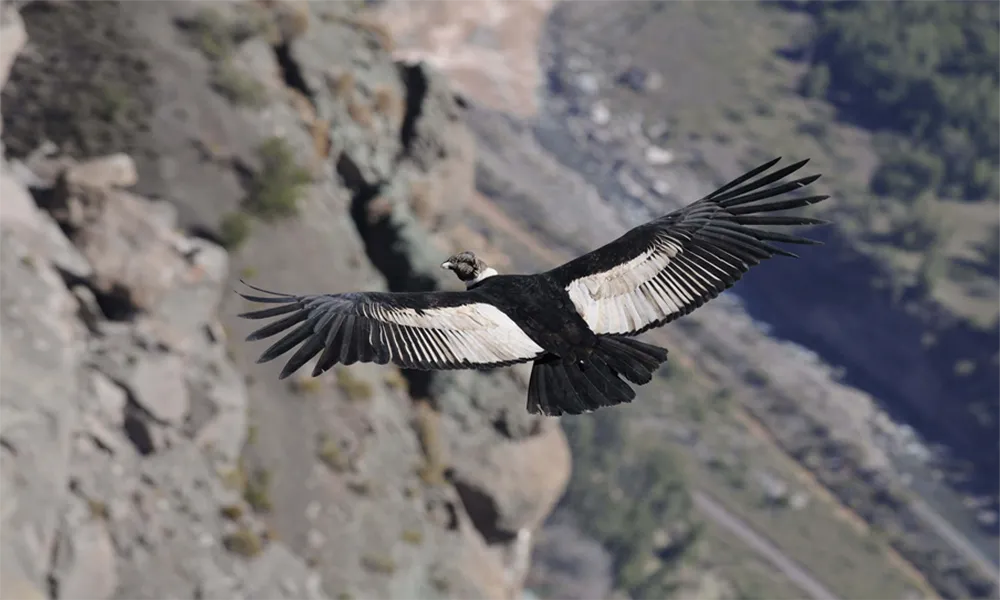
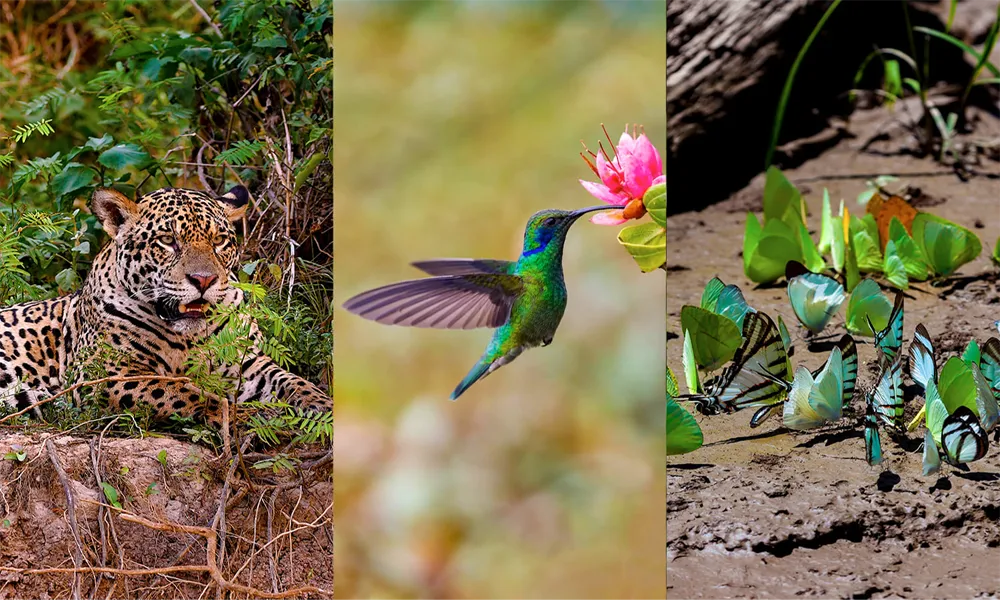
- Andean cock-of-the-rock
- Spectacled bear
- Andean hummingbirds
- Endemic orchids
Experience:
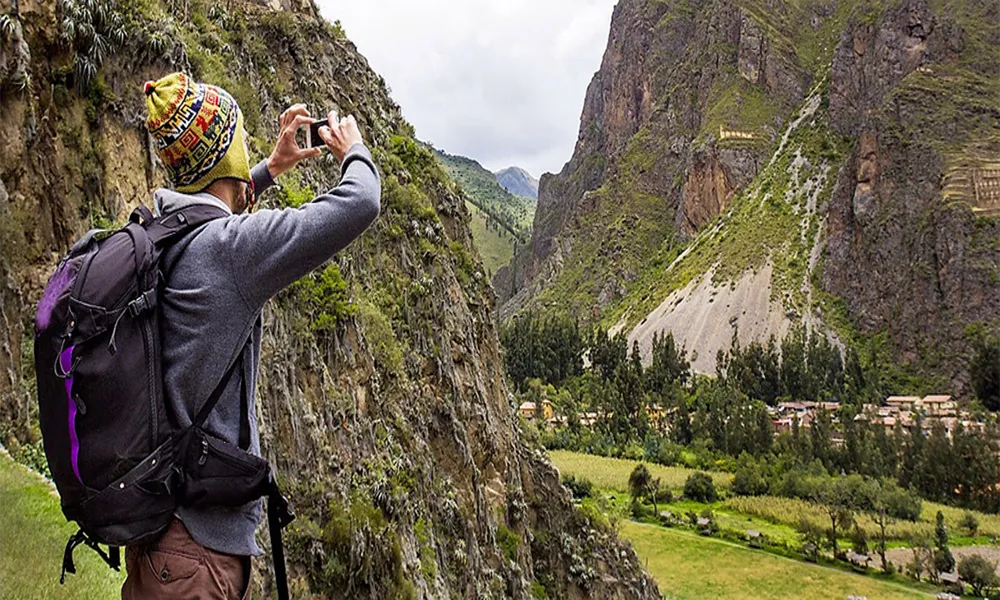
- Mountain hiking with spectacular panoramic views.
🌳 Upper Amazon (High Jungle)
Altitude:
- 800 – 1,500 meters (2,600 – 4,900 ft)
Climate:
- Warm with frequent rainfall
Notable Wildlife:
- Capuchin monkeys
- Toucans
- Sloths
- Wide variety of insects
Experience:
- Transition zone between Andes and Amazon, rich biodiversity.
🌴 Lowland Amazon (Amazon Basin)
Altitude:
- 150 – 400 meters (500 – 1,300 ft)
Climate:
- Hot and humid tropical weather
Notable Wildlife:
- Macaws at clay licks
- Black caimans
- Giant river otters
- Spider monkeys
Experience:
- River navigation and maximum Amazon biodiversity.
📊 Comparison Table
| Metric | Cloud Forest | Upper Amazon | Lowland Amazon |
|---|---|---|---|
| Average Price | USD 250 – 500 (2–3 days) | USD 400 – 700 | USD 600 – 1,200 |
| Difficulty | Moderate | Moderate | Low |
| Ideal Duration | 2 days | 3–4 days | 4–6 days |
| Best Season | May – Sept | May – Oct | May – Oct |
| Biodiversity | High | Very High | Extremely High |
✔ Typically Includes:
- Land and river transportation
- Bilingual naturalist guide
- Lodge accommodation
- Full meals
- Park entrance fees
✘ Not Included:
- Flights to Cusco
- International travel insurance
- Alcoholic beverages
- Tips
🌦 Best Season to Explore All Three Ecosystems
☀️ Dry Season (May – October):
- Better visibility and more accessible trails.
🌧 Rainy Season (November – April):
- Lusher vegetation, but more demanding routes.
🧳 Pro Tips for International Travelers
Altitude Awareness
- The cloud forest can exceed 2,500 meters (8,200 ft). If arriving from sea level, acclimatize first in Cusco.
Temperature Differences
- You may experience 8°C (46°F) in the mountains and 32°C (90°F) in the lowland jungle on the same day.
Essential Gear
- Waterproof jacket
- Lightweight quick-dry clothing
- Hiking boots
- Strong insect repellent
- Sunscreen
Money
- Bring cash in USD or Peruvian soles; there are no ATMs in the rainforest.
🆚 Which Ecosystem Should You Choose?
| Traveler Type | Best Option |
|---|---|
| Bird Lover | Cloud Forest |
| Wildlife Photographer | Lowland Amazon |
| Balanced Experience | Upper Amazon |
| Full Expedition | All Three |
Manu offers one of the most unique ecological transitions in the world. If you seek maximum biodiversity, the lowland rainforest is ideal. If you prefer Andean landscapes and cooler temperatures, the cloud forest is perfect. For a complete experience, combine all three ecosystems.