Cell Phone and Internet Signal in Different Parts of the Inca Jungle
We know that disconnecting sounds romantic… but losing signal when you need it most is not.
In this guide, you’ll discover where there is (and isn’t) cell phone and internet signal in the Inca Jungle, how to prepare, and what to expect. We’ll show you comparisons, costs, and practical tips for international travelers.
🌄 What is the Inca Jungle and why is the signal limited?
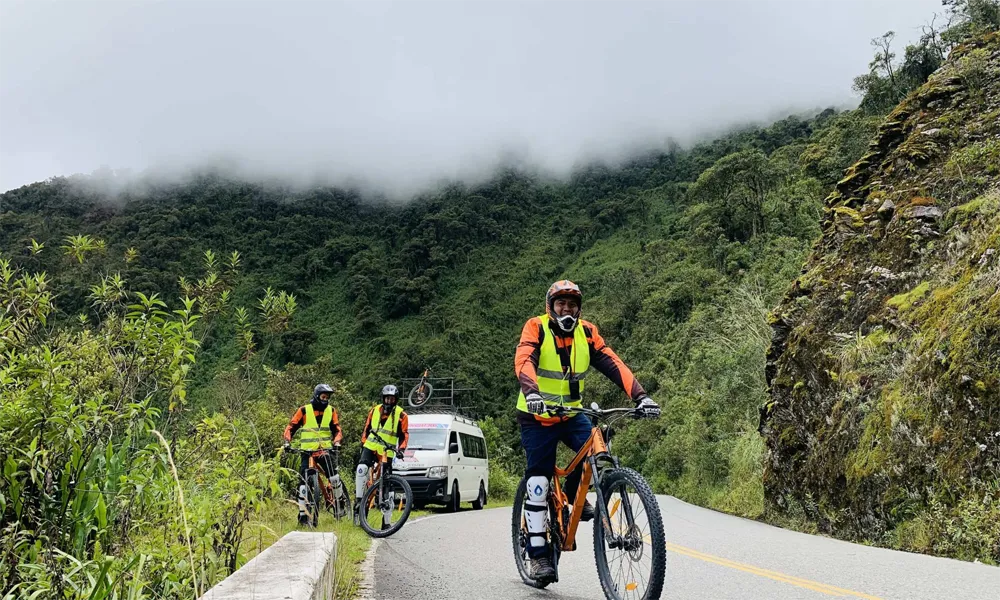
The Inca Jungle Trek is an alternative route to Machu Picchu that combines mountain biking, trekking, rafting, and zip-lining. Unlike the classic Inca Trail, it crosses rural areas and high jungle.
📡 Important: Most of the route passes through mountainous and jungle areas where cell phone coverage is unstable or nonexistent.
📍 Signal Coverage by Section of the Inca Jungle Trek
🚵 Day 1: Cusco – Abra Málaga – Santa María
Cusco → Abra Málaga → Santa María
- Cusco: Stable 4G/5G signal.
- Abra Málaga (4,300 m): Very weak or no signal.
- Descent by bike: No signal.
Santa María: Moderate 3G/4G signal.
👉 Last reliable point before the descent: Cusco.
🥾 Day 2: Santa María – Santa Teresa
Santa Teresa
- Mountain sections: No coverage.
- Small towns: Basic signal (WhatsApp works intermittently).
- WiFi in accommodations: Available but slow.
🌉 Day 3: Santa Teresa – Hydroelectric Plant – Aguas Calientes
Hydroelectric Plant → Aguas Calientes
- Hydroelectric Plant: Limited signal.
- Hike to Aguas Calientes: no stable signal.
- Aguas Calientes: good 4G coverage and Wi-Fi in hotels.
🏔 Day 4: Machu Picchu
Machu Picchu
- Inside the sanctuary: very weak or nonexistent signal.
- Entrance/higher areas: intermittent signal may occur.
📷 Tip: download offline maps before entering.
📊 Quick Comparison Chart
| Metric | Inka Jungle | Classic Inca Trail |
|---|---|---|
| Average Signal Coverage | Low to intermittent | Very low |
| Price (2026) | USD 180 – 350 | USD 600 – 900 |
| Duration | 4 days | 4 days |
| Difficulty | Moderate | Moderate–High |
| Best Season | April – October | May – September |
| WiFi Along the Route | Only in towns | Almost nonexistent |
✅ Typically Includes:
- Transportation Cusco–Abra Málaga
- Bicycle and Basic Equipment
- Bilingual Professional Guide
- 3 Nights of Accommodation
- 3 Breakfasts and 3 Dinners
- Entrance to Machu Picchu
- Return by Train or Van
❌ Typically Does Not Include:
- Lunches
- Travel Insurance
- Tips
- Zipline (optional, USD 30–40)
- Hot Springs (USD 3–5)
👉 Important for Foreigners: Purchase a local SIM card in Cusco before departing.
📶 Which carrier has the best signal in the Inca Jungle?
In Peru, the most used carriers are:
- Claro: Best rural coverage.
- Movistar: Good in cities, inconsistent in the mountains.
- Entel: Fast in urban areas.
📍 Realistic recommendation: Claro prepaid usually works best in Santa Teresa and Santa María.
🧭 Requirements and technological preparation
Before leaving:
- Download Google Maps offline.
- Inform family members that you will be out of service for a few hours/days.
- Bring a power bank (minimum 10,000 mAh).
- Only activate roaming if absolutely necessary (it’s expensive).
🎒 Expert Pro-Tips for Foreigners
- Climate: The high jungle is humid. Protect your phone with a waterproof bag.
- Altitude: Cusco is at 3,400 m (10,000 ft). Rest for 1–2 days before the tour.
- Battery: The cold drains the battery faster.
- Emergencies: Guides carry radios or satellite contacts.
- Travel insurance: Highly recommended.
🤔 Is it worth worrying about the signal?
If you’re looking to disconnect and have an adventure, the lack of signal is part of the experience.
But if you work remotely or need constant communication, consider:
- Buying a local SIM card.
- Reporting any disconnection times.
- Choosing hotels with confirmed Wi-Fi in Santa Teresa and Aguas Calientes.