Birdwatching in Manu: Iconic species and why it’s a global hotspot
We know that if you’re a bird lover, you don’t want to travel thousands of miles without knowing if it’s truly worth it. It’s an important decision. We promise to explain which iconic species you can see, why Manu is a global hotspot, and how to plan your perfect trip.
🌎 What Is Birdwatching in Manu?
Birdwatching in Manu National Park is considered among the best in the world. With more than 1,000 recorded species, Manu encompasses:
- Lowland Amazon rainforest
- Andean cloud forest
- Ecological transition zones
This combination creates extraordinary biodiversity that is difficult to match anywhere else on Earth.
🦜 Why Is Manu a Global Hotspot?
🌿 1. Unique Altitudinal Gradient
From 150 to over 4,000 meters (500–13,000 ft), allowing you to observe species from different ecosystems in a single journey.
🧬 2. Record-Breaking Biodiversity
More than 10% of the world’s bird species can be found here.
🔒 3. Highly Protected Area
Less human intervention = greater wildlife abundance.
🐦 Iconic Species You May Observe
🌈 Macaws
- Scarlet macaw
- Red-and-green macaw
- Blue-and-yellow macaw
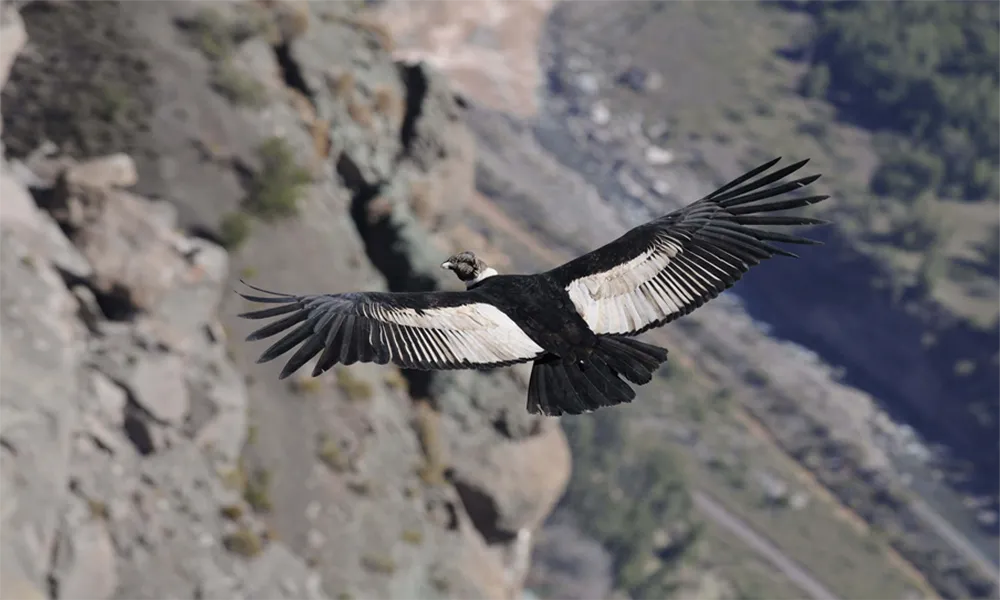
🦅 Raptors
- Harpy eagle (rare but possible)
- Amazonian hawks
🌺 Colorful Cloud Forest Birds
- Andean cock-of-the-rock (Peru’s national bird)
- Multicolored tanagers
- Quetzals
🌙 Nocturnal Species
- Amazonian owls
- Potoos
Species diversity depends on tour length and the zones visited.
⚙️ How Does a Birdwatching Tour in Manu Work?
⏰ Key Schedules
- Departures before sunrise
- Morning forest walks
- Sunset observation sessions
Birds are most active between 5:30 am and 9:00 am.
👨🏫 Specialized Guides
- The best tours include:
- Bilingual ornithologist guide
- Identification by bird calls
- Use of spotting scopes
🔎 Manu vs Other Birdwatching Destinations
| Destination | Number of Species | Ecosystem Diversity | Level of Human Intervention |
|---|---|---|---|
| Manu | 1,000+ | Very High | Low |
| Costa Rica | 900+ | High | Medium |
| Ecuador (Yasuní) | 600+ | High | Medium |
Manu stands out for its combination of biodiversity and conservation.
🌤 Best Season for Birdwatching
☀️ Dry Season (May – October)
- Better visibility
- More accessible trails
- Higher activity levels
🌧 Rainy Season (November – April)
- More challenging conditions
- Fewer tourists
- Higher insect density
Both seasons offer excellent sightings, but the dry season makes logistics and photography easier.
💰 What Does a Specialized Tour Include?
✅ Included
- Land and river transportation
- Specialized birding guide
- Lodge accommodation
- Full meals
- Entrance to protected areas
❌ Not Included
- Travel insurance
- Professional optical equipment
- Additional beverages
- Tips
👉 Longer tours = greater ecosystem diversity explored.
🌎 Pro Tips for International Travelers
🎒 Essential Gear
- 8×42 or 10×42 binoculars
- Camera with at least a 300mm lens
- Humidity protection
- Birding notebook
🌦 Climate
- Constant high humidity
- Lightweight quick-dry clothing
- Light rain jacket
🏔 Health
- No altitude sickness in the Amazon zone
- Stay hydrated
- Strong insect repellent is essential
📋 Strategy to Maximize Species
- Travel for at least 6 days
- Combine cloud forest + lowland rainforest
- Choose guides with proven birding expertise
❓ Frequently Asked Questions
- Do I need to be a bird expert?
No. Guides assist with species identification.
- Can you see the Andean cock-of-the-rock?
Yes, especially in cloud forest areas.
- Is Manu better than Costa Rica?
In number of species, yes. In infrastructure, Costa Rica is more developed.