Oxygen, First Aid Kits & Emergency Protocols on the Salkantay Trek
What a Responsible Agency Should Carry ⛑️🫁
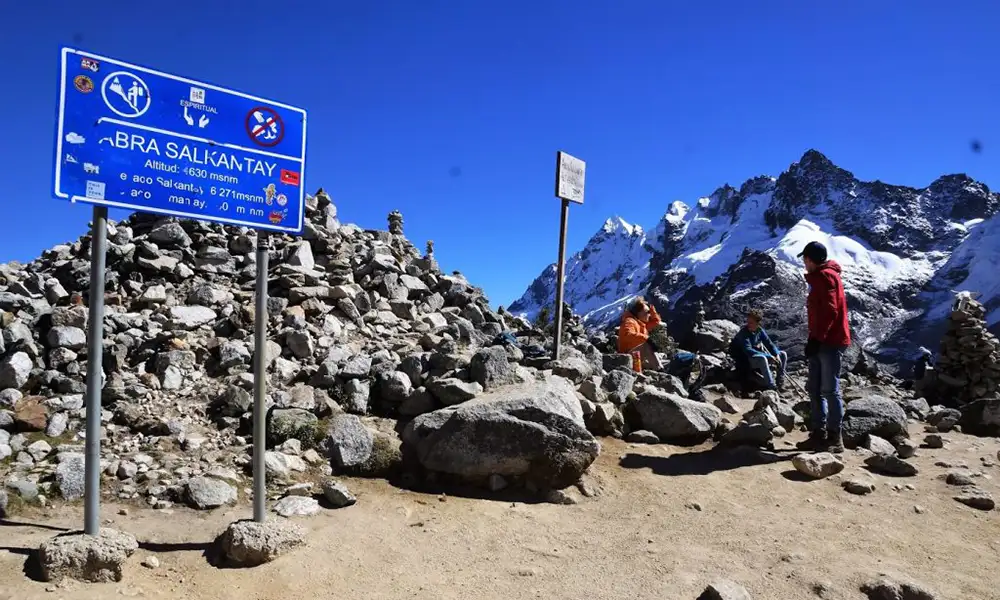
The Salkantay Trek reaches over 4,600 meters (15,000+ ft) at Salkantay Pass, making it a true high-altitude mountain route with real risks related to altitude, sudden weather changes, and remote terrain.
Although it is not a technical expedition, it does require proper safety preparation from tour operators.
If you’re booking a guided tour toward Machu Picchu, this guide will help you evaluate whether the company meets minimum safety standards.
📋 1️⃣ Basic Standards a Responsible Agency Should Meet
A professional operator should have:
✔ Functional portable oxygen
✔ Complete, updated first aid kit
✔ Guide trained in mountain first aid
✔ Clear evacuation plan
✔ Communication system (where coverage allows)
✔ Basic health screening before departure
Safety is not just equipment — it’s protocol.
🫁 2️⃣ Portable Oxygen: Minimum Technical Requirements
Oxygen at altitude does not replace descent, but it can temporarily stabilize someone with severe symptoms.
A properly equipped agency should carry:
- Refillable portable oxygen cylinder
- Working pressure regulator
- Functional mask
- Operational pressure gauge
- Enough supply for emergency use
🔎 Important:
Oxygen:
- Does not prevent altitude sickness
- Does not cure the condition
- Is a temporary support measure
- Must be combined with descent if symptoms worsen
Always ask whether oxygen is standard equipment carried by the guide.
🩺 3️⃣ High-Altitude First Aid Kit: What It Should Contain
🧰 Primary Care Supplies
- Sterile gauze
- Elastic bandages
- Triangular bandage
- Medical tape
- Adhesive dressings
- Scissors
- Disposable gloves
- Emergency thermal blanket
📊 Monitoring Tools
- Pulse oximeter
- Thermometer
- Portable blood pressure monitor (ideal)
- Headlamp
A pulse oximeter is especially important for monitoring oxygen saturation at altitude.
💊 Basic Emergency Medications
A well-stocked kit should include:
- Pain relievers
- Anti-inflammatories
- Antihistamines
- Anti-diarrheal medication
- Oral rehydration salts
- Antiseptics
- Medication for altitude illness (used under protocol)
- Anti-nausea medication
- Topical antibiotic ointment
⚠️ Note: A guide cannot administer medication without consent, but must know how to respond appropriately.
🏔️ 4️⃣ Altitude Sickness Protocols
Guides must be trained to recognize:
- Persistent headache
- Nausea
- Dizziness
- Extreme fatigue
- Shortness of breath
- Confusion
- Loss of coordination
For moderate to severe symptoms:
1️⃣ Stop ascending
2️⃣ Check oxygen saturation
3️⃣ Administer oxygen if necessary
4️⃣ Begin immediate descent
5️⃣ Coordinate evacuation if needed
Descent remains the most effective treatment.
🚑 5️⃣ Evacuation Plan: What Should Exist
A responsible agency must:
- Know rapid descent routes
- Have contact with local transport
- Identify vehicle-accessible points
- Plan transfer to a medical center
- Maintain communication with base office
In remote terrain, evacuation depends on organized logistics.
👨⚕️ 6️⃣ Guide Training: The Most Important Factor
More important than equipment is human preparation.
A qualified guide should:
- Hold first aid certification
- Know how to properly use a pulse oximeter
- Understand altitude illness protocols
- Participate in periodic training
- Stay calm under emergency pressure
Ask directly about mountain first aid certification.
🎒 7️⃣ What Travelers Should Carry Personally
Even if the agency is prepared, you should bring:
- Personal medication
- Basic pain reliever
- Sunscreen
- Lip balm
- Small personal bandage kit
- Water purification tablets
- Anti-chafing cream
Prevention is shared responsibility.
⚠️ 8️⃣ Red Flags When Choosing an Agency
🚩 No mention of oxygen
🚩 No explanation of emergency protocols
🚩 No details about first aid kit
🚩 Extremely low price with no safety transparency
🚩 Guides without visible training credentials
Safety should never be sacrificed to cut costs.
📊 Quick Safety Evaluation Checklist
| Item | Should Be Included |
|---|---|
| Portable oxygen | ✔ |
| Pulse oximeter | ✔ |
| Complete first aid kit | ✔ |
| Trained guide | ✔ |
| Evacuation plan | ✔ |
| Base communication | ✔ |
If more than one element is missing — reconsider.
🌡️ 9️⃣ Other Risks Beyond Altitude
Agencies should also be prepared for:
- Ankle sprains
- Falls
- Dehydration
- Heat exhaustion
- Hypothermia
- Allergic reactions
Salkantay combines altitude, sun exposure, humidity, and rapid weather changes — sometimes in the same day.
🏁 Final Conclusion
The Salkantay Trek is spectacular but demanding. A responsible agency must carry:
- Portable oxygen
- A complete technical first aid kit
- A trained guide
- A clear evacuation protocol
Safety is not an optional add-on — it’s an essential part of high-altitude trekking.
Choosing the right operator is just as important as preparing physically. 🏔️⛑️✨