Macaw Watching in the Manu Clay Licks: Times and Best Months
We know that traveling all the way to Manu and not seeing macaws would be a huge disappointment. It’s a valid concern. We promise to explain the real schedules, the best months, and how to maximize your chances.
🌿 What Is Macaw Clay Lick Viewing in Manu?
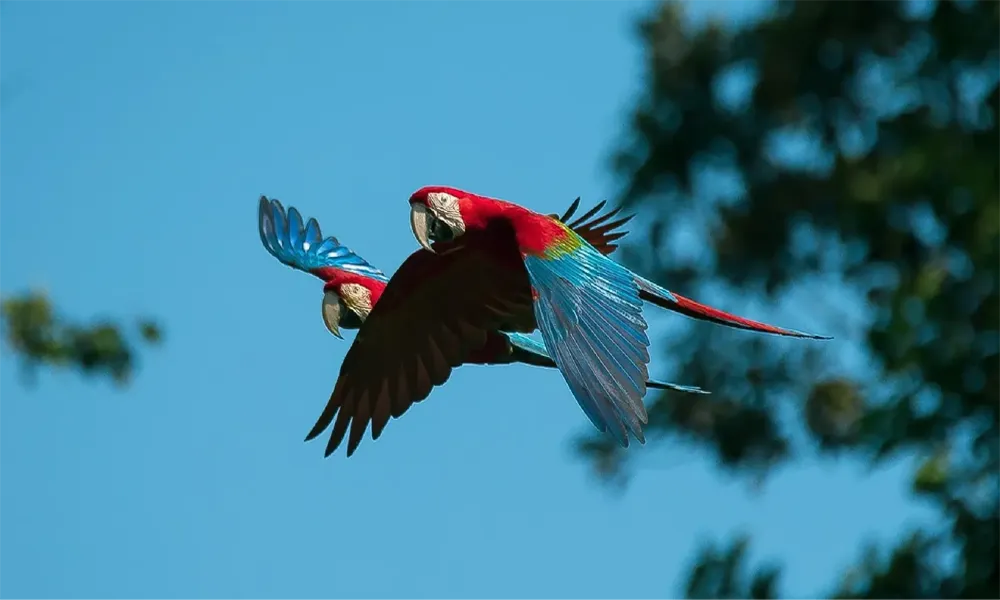
Macaw sightings occur at clay cliffs known as clay licks, where dozens — sometimes hundreds — of macaws and parrots gather at dawn to feed on minerals.
Inside Manu National Park, this phenomenon is one of the most spectacular wildlife events in South America.
🦜 Why Do Macaws Visit Clay Licks?
🔬 Scientific Reason
- They neutralize toxins from wild fruits
- They obtain sodium and essential minerals
🌈 Common Species in Manu
- Red-and-green macaw
- Blue-and-yellow macaw
- Scarlet macaw
- Amazon parrots and parakeets
Macaw concentrations in Manu are higher than in many other Amazon regions.
🕒 Real Viewing Schedule
Best Time of Day
- Between 5:30 am and 9:00 am
- Peak activity: 6:00 am – 7:30 am
Tours depart before sunrise to arrive quietly and position visitors at authorized viewing platforms.
📅 Best Months to See Macaws in Manu
☀️ Dry Season (May – October)
- Higher visible activity
- Clear skies
- Better photography conditions
- Greater concentration at clay licks
👉 Absolute best season.
🌧 Rainy Season (November – April)
- Sightings still possible
- More clouds and rain
- Higher river levels
Macaws do not disappear, but visibility may vary.
⚙️ How Does the Clay Lick Visit Work?
🚤 Access
- Very early boat departure
- Quiet river transfer
- Authorized viewing platform facing the clay lick
⏳ Observation Time
- 1 to 2 hours
- Depending on natural activity
The spectacle can include hundreds of birds descending simultaneously.
💰 Costs & What’s Included
✅ Included
- River transportation
- Specialized wildlife guide
- Binoculars (on some tours)
- Entry to authorized area
- Early breakfast
❌ Not Included
- Professional photography gear
- Long-range lenses
- Travel insurance
- Additional beverages
👉 Longer tours increase the likelihood of favorable weather and better sightings.
🌎 Pro Tips for International Travelers
📸 Photography
- Minimum 300mm lens recommended
- Adjustable ISO (changing light conditions)
- Humidity protection
🌦 Climate
- Cool early mornings
- High humidity
- Bring a light windbreaker
🏥 Health
- No altitude sickness
- Strong insect repellent essential
- Stay hydrated
🎒 Essential Gear
- Personal binoculars
- Headlamp (departure before sunrise)
- Dry bag for equipment
- Lightweight long-sleeve shirt
🔎 Manu vs Other Amazon Clay Licks
| Destination | Number of Birds | Accessibility | Experience |
|---|---|---|---|
| Manu | Very High | Moderate | Natural & protected |
| Tambopata | High | Easier | More touristic |
| Iquitos | Medium | Accessible | Variable |
Manu stands out for biodiversity and lower human impact.
❓ Frequently Asked Questions
- Is macaw viewing guaranteed?
Wildlife cannot be guaranteed, but during dry season probabilities are very high.
- Is waking up early necessary?
Yes. The spectacle occurs at dawn.
- Is a 3-day tour enough?
Not ideal for deeper clay licks. A minimum of 5 days is recommended.