The Inca Jungle Trek is a multi-adventure route to Machu Picchu. Instead of just trekking, it combines downhill biking and hiking, and depending on the operator, includes extra activities like rafting and ziplining. It’s perfect if you want to arrive at Machu Picchu with an adrenaline rush and a variety of landscapes: you start in the cold highlands and end in the warm cloud forest 🌦️➡️🌿.
📌 Important: The exact order and optional activities vary depending on the operator and the weather. This is the most common 4-day/3-night itinerary and will help you understand timings, logistics, and what to expect.
🧭 Before you begin: What the Inca Jungle Trek is (and what it ISN’T)
✅ What makes it different?
- More action-packed than a classic trek.
- It changes ecosystems quickly.
- It usually includes accommodations (not extreme camping).
- Suitable for people with a moderate level of fitness if they are used to hiking (the biking is downhill, but requires control).
⚠️ What many believe but isn’t true
- It’s not “easy” just because you have a bike: the hike in the following days is tiring.
- It’s not always “all-inclusive”: sometimes it doesn’t include the train or the entrance to Machu Picchu. You have to read the package.
🎟️ Logistics Key
In the end, it all ends the same as other tours:
- Aguas Calientes the night before
- Machu Picchu on the last day
- Return by train or via Hidroeléctrica (depending on the package)
✅ Day 1: Cusco → Abra Málaga → downhill bike ride → Santa María 🚵♂️🌦️
🎯 Objective of the day
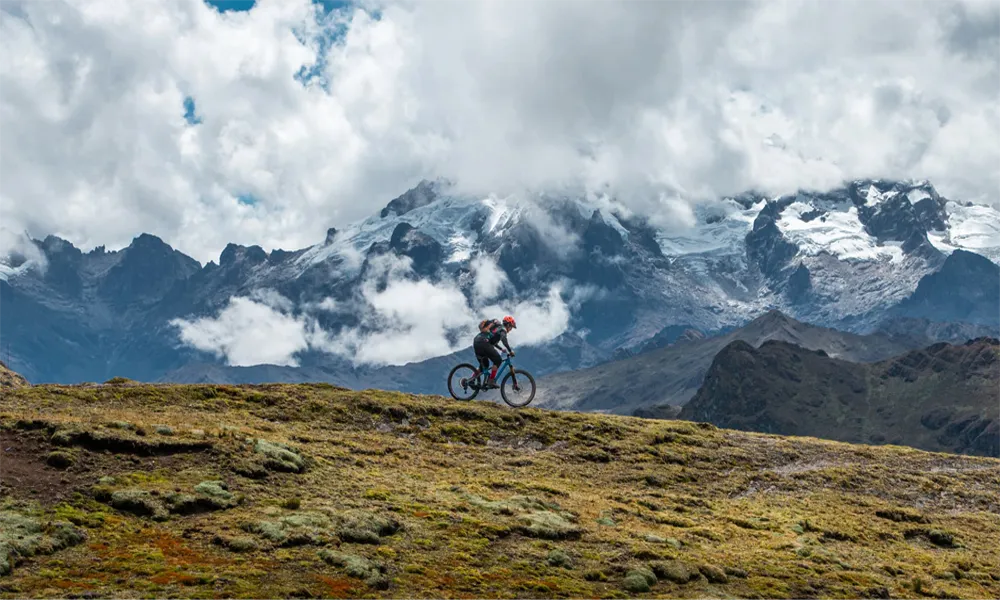
Experience the most adrenaline-pumping part of the tour: the downhill bike ride from high altitude to warmer climates.
🕐 What the day is usually like
- Early departure from Cusco in tourist transport.
- Stop for breakfast or a snack (depending on the operator).
- Arrival at Abra Málaga (high, cold, and windy area).
- Equipment distribution:
-
- helmet
- gloves
- protective gear (sometimes)
- Safety briefing (very important).
- Downhill bike ride on a scenic road and sections with curves.
- Arrival in the warmer area and final transfer to Santa María.
🚴 What you’ll feel on the bike (the reality)
- You don’t pedal much, but you get tired:
- the tension in your hands (brakes)
- controlling on curves
- the cold at the beginning and the change in climate
- There may be:
- wet asphalt
- fog
- cold wind
- occasional traffic
⚠️ Common risks on Day 1
- Falls due to excessive speed.
- Late braking on curves.
- Tired hands → less control.
- Rain/fog → slippery surface.
✅ Safety Tips (Pro)
- Don’t race: this isn’t a competition 🛑
- Keep your distance from the cyclist in front.
- Brake gently and before the curve, not in it.
- Keep your rain gear accessible (not at the bottom of your backpack).
- If you’re scared, say so: a good guide will adjust the pace.
🏨 Night 1: Santa María
- Basic hostel (sometimes with a private option).
- Dinner and rest.
✅ Day 2: Santa María → trekking through trails and valleys → Santa Teresa (optional rafting) 🥾🌿🚣
🎯 Day’s Objective
Switch to trekking mode, walking through valleys and farmland towards Santa Teresa.
🥾 Typical Hike (General)
- Trails through high jungle with:
- plantations (coffee, cacao, fruits)
- viewpoints
- passages through small villages
Some operators include interpretive sections of ancient trails (varies considerably).
🌡️ The Big Change of the Day
Today the enemy isn’t the cold: it’s heat and humidity.
Therefore, the common risk is becoming dehydrated without realizing it.
🚣 Rafting (Optional)
- It is done if:
- the river is in safe conditions
- the company is operating that day
- It usually includes a life jacket, helmet, and instructions.
- If conditions are unsafe, it is canceled for safety reasons.
⚠️ Common Risks of Day 2
- Sunstroke or dehydration.
- Slipping on wet sections.
- Blisters from heat and hiking.
✅ Pro Tips for Day 2
- Water + electrolytes (very useful) 💧
- Mosquito repellent 🦟
- Spare dry socks
- Sunscreen even if it’s cloudy (the sun’s rays still affect you)
🏨 Night 2: Santa Teresa
Santa Teresa is the base for many activities (zipline and routes to the Hydroelectric Plant).
✅ Day 3: Santa Teresa → zipline (optional) → Hydroelectric Plant → hike to Aguas Calientes ⚡🧗♀️🚶♂️
🎯 Goal of the day
Reach Aguas Calientes to sleep and be ready for Machu Picchu.
🧗 Zipline (optional)
- This is usually done in the morning.
- It’s short, fun, and more “exciting” than physically exhausting.
- If you don’t do it, you’ll usually still get to the next point.
⚡ Hydroelectric Plant → Aguas Calientes (key section)
This section is popular because many budget tours use it instead of the train.
- You arrive at the Hydroelectric Plant (by transport or on foot, depending on the tour package).
- You walk along the railway line towards Aguas Calientes.
- It’s a long walk if you’re already tired, relatively flat, and with beautiful scenery along the river.
⚠️ Common risks on Day 3:
- Arriving late and walking in low light.
- Accumulated fatigue → tripping.
- Rain → slippery terrain.
✅ Pro tips for Day 3:
- Headlamp, just in case 🔦
- Maintain a steady pace, don’t rush at the end.
- Keep your Machu Picchu ticket and ID handy.
- Pack your backpack for Day 4 (only the essentials).
🏨 Night 3: Aguas Calientes
- Hostel/hotel.
- Ideal:
- Light dinner
- Early bedtime
- Prepare clothing/poncho for Machu Picchu
✅ Day 4: Machu Picchu + return 🏛️✨🚆
🎯 Goal of the day
Enter Machu Picchu, complete your circuit, and return to Cusco.
⬆️ Ascent: Bus or Hike
- Bus: More comfortable and recommended if you’re tired 🚌
- Hike: Demanding, lots of stairs and hot 🥵
🏛️ Visit to Machu Picchu (the highlight)
- Entry will be based on:
- Schedule
- Circuit
- Many tours include:
- Guide inside
- Free time afterward
🚆 Return: Two options
1. Return by train (more comfortable)
- Aguas Calientes → Ollantaytambo → Bus/van to Cusco
2. Return via Hidroeléctrica (more economical)
- Hike back + ground transportation
📌 NOTE: Not all Inca Jungle tours include the train. Some packages offer it as an extra.
✅ Pro Tips for Day 4
- Save tickets as PDFs/offline screenshots 📱
- Don’t book tight plans in Cusco that same day
- Allow extra time: Machu Picchu + queues + bus + train = can take quite a while
📊 Summary Table (Inka Jungle 4D/3N)
| Day | Main Activity | Typical Weather | Difficulty | Overnight |
|---|---|---|---|---|
| 1 | Downhill biking | Cold → warm | Medium (technical) | Santa María |
| 2 | Trekking + optional rafting | Warm / humid | Medium | Santa Teresa |
| 3 | Optional zipline + Hydroelectric → Aguas Calientes | Warm → mild | Medium | Aguas Calientes |
| 4 | Machu Picchu visit + return | Variable | Low–Medium | — |
🎒 What to pack for Inka Jungle (smart packing list)
Bike (Day 1)
- rain jacket/windproof jacket ✅
- gloves (some operators provide them, but it’s better to have your own)
- sunglasses (protects from wind/drizzle/dust)
Trekking (days 2–3)
- Insect repellent 🦟
- Sunscreen + hat + sunglasses
- Lightweight, quick-drying clothing
- Extra socks + blister patches
Machu Picchu (Day 4)
- Poncho or raincoat
- Water
- Snack
- ID + entrance fee
Extras that save the day
- Headlamp 🔦
- Power bank
- Waterproof bag for documents/phone
⚠️ Safety: The most important thing on this tour
- Biking: The real risk is speed + wet pavement. Control > excitement.
- Trekking: The real risk is dehydration + accumulated fatigue.
- Hydroelectric plant: Avoid walking at night without a light.
- Machu Picchu: Coordinate schedules calmly (entrance fee + train).
🏁 Conclusion
The Inca Jungle 4D/3N is an ideal route if you want to combine nature and adventure with a variety of activities. It has adrenaline-pumping moments (biking/ziplining) and others of demanding hiking (especially due to accumulated fatigue), but with good preparation and pacing, it is totally enjoyable.