Risk of Malaria, Dengue and Leishmaniasis in Manu and how to Prevent them
Are you worried about getting sick in the Manu rainforest? It’s perfectly normal. When we hear “Amazon,” we think of mosquitoes and tropical diseases.
🌎 Where exactly is the risk?
Manu National Park is located in the Peruvian Amazon, a tropical region where insect-borne diseases are common.
The three that most concern travelers are:
- Malaria
- Dengue fever
- Leishmaniasis
🦟 What is the Real Risk for Tourists?
Malaria
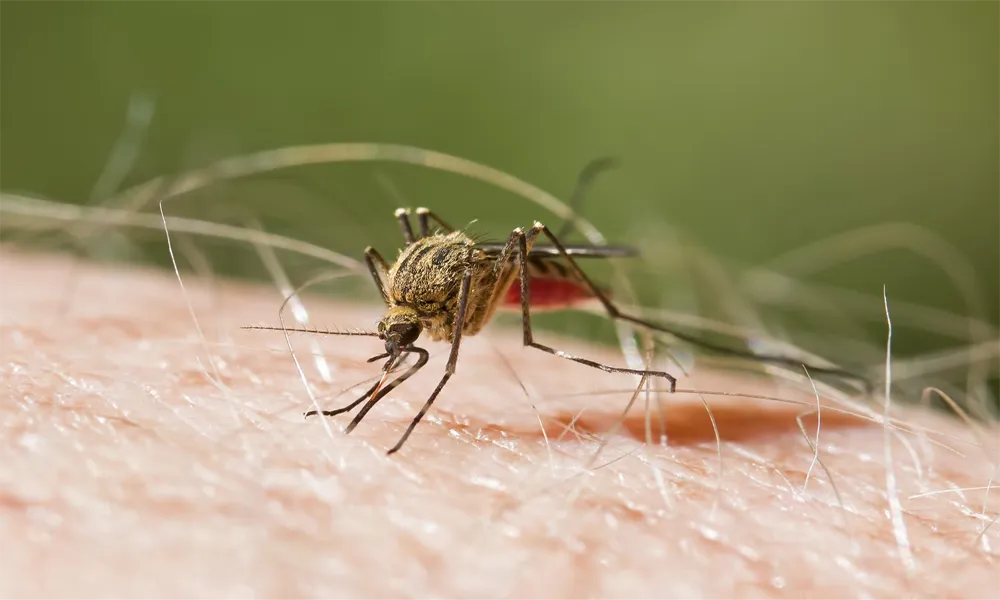
- Transmitted by the Anopheles mosquito
- Low risk for tourists staying in organized lodges
- Not common for short-stay travelers
Mandatory prophylaxis is not usually required, but consult a doctor before traveling.
Dengue fever
- Transmitted by the Aedes mosquito (more active in urban areas)
- Can occur in Amazonian regions
- Higher activity during the rainy season (Nov–Mar)
Prevention is key: repellent and appropriate clothing.
Leishmaniasis
- Transmitted by sandflies (small mosquitoes)
- Low risk for tourists on organized tours
- More associated with prolonged stays without protection
📊 Risk and Prevention Comparison Chart
| Disease | Tourist Risk Level | Higher Risk Season | Key Prevention | Vaccine Required? |
|---|---|---|---|---|
| Malaria | Low | Rainy season | Repellent + long sleeves | Not mandatory |
| Dengue | Low–Moderate | Rainy season | Avoid mosquito bites | Not widely available |
| Leishmaniasis | Low | Year-round | Nighttime protection | No |
💉 Recommended Vaccinations?
- Yellow fever (recommended, not mandatory in all cases)
- Up-to-date tetanus vaccination
- Medical consultation 4–6 weeks before your trip
Always check requirements according to your country of origin.
🌦️ Climate and Health Factors
- Higher humidity during the rainy season
- More insects between November and March
- Altitude sickness is not common in Manu National Park
However, the tour departs from Cusco, where mild altitude sickness may occur.
🎒 Pro-Tips for Foreigners
Appropriate insect repellent
- 30–50% DEET or equivalent.
Strategic clothing
- Lightweight long-sleeved shirt
- Long pants
- Light colors
Nighttime protection
- Use a mosquito net even if you don’t see insects.
Avoid strong perfumes
- They attract insects.
Travel insurance
- Includes international medical coverage.
⚖️ Is it Safe to Travel to Manu?
Yes. Thousands of tourists visit Manu every year without health problems.
The risk exists, as in any tropical area, but it is low when you:
- Travel with a reputable tour operator
- Use insect repellent
- Follow basic recommendations
Prevention is simple and effective.