The Best Boots for the Salkantay Trek – Complete Gear Guide
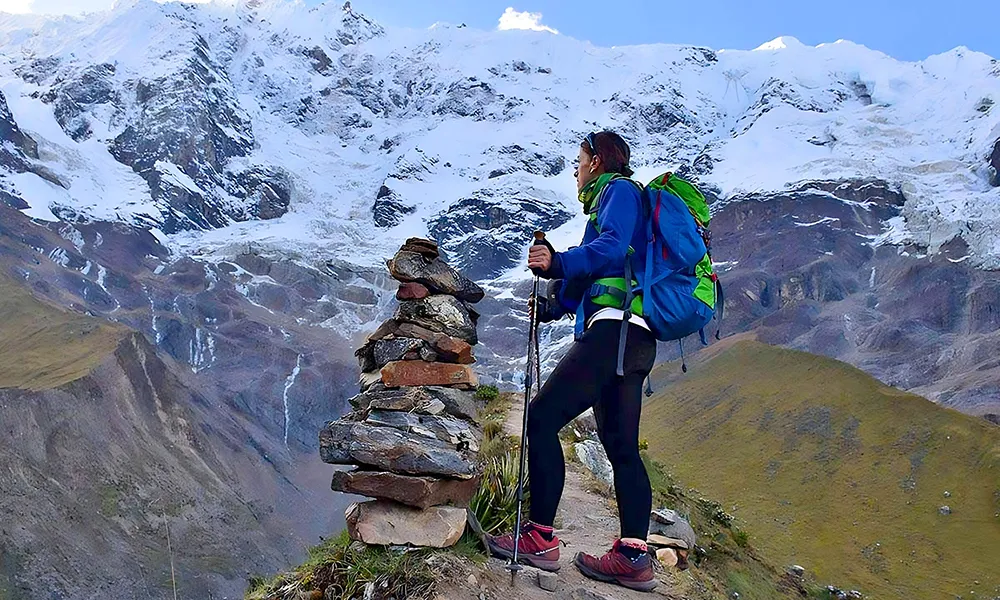
The Salkantay Trek is not a uniform trail. In 4–5 days you’ll pass through:
- Rocky high-altitude paths
- Steep climbs to Salkantay Pass (~4,600 m / 15,000+ ft)
- Long descents that punish your knees
- Wet or muddy sections
- Warm, humid cloud forest terrain
Choosing the right boots can mean the difference between enjoying the trek… or dealing with blisters, ankle pain, and slips 😅
Here’s the most complete guide to picking the right boots based on the real Salkantay terrain.
🧱 1️⃣ Ideal Type of Boot for Salkantay
✅ Mid or High-Cut (Strongly Recommended)
The terrain is uneven and full of loose rocks. A mid or high-cut boot:
- Protects your ankle
- Reduces sprain risk
- Adds stability when carrying a backpack
If you’re carrying a light pack (with mules/porters), mid-cut is usually enough.
If you’re carrying more weight, go for higher support.
✅ Waterproofing (Essential in the Andes)
Mountain weather changes fast. Even if the morning is sunny, you may encounter rain or mud.
Look for:
- Waterproof membranes (like Gore-Tex or similar)
- A balance between waterproofing and breathability
⚠️ Important: Waterproof does NOT mean you can walk through deep rivers. It means protection against rain and moderate mud.
✅ Aggressive Grip Sole
Salkantay terrain includes:
- Rock
- Loose dirt
- Mud
- Steep descents
Look for:
- Deep lugs
- Vibram-type or similar compounds
- Strong wet-surface traction
The long descent on Day 2 is where grip matters most.
✅ Semi-Rigid Structure (Best Balance)
Too soft = less stability on rocky terrain.
Too stiff = more fatigue if you’re not used to them.
For Salkantay, the sweet spot is semi-rigid:
- Good stability
- Not excessively heavy
🏔️ 2️⃣ Reliable Boot Models & Brands
These brands are widely respected in mountain environments:
🥇 Salomon
Models like X Ultra Mid GTX:
- Lightweight
- Excellent grip
- Very comfortable from day one
- Great balance between hiking and technical trail
Ideal if you want stability without heavy weight.
🥇 La Sportiva
Models like Ultra Raptor Mid:
- Strong rock grip
- Very stable on technical terrain
- Designed for real mountain conditions
Better for irregular and demanding ground.
🥇 Merrell
Models like Moab Mid GTX:
- Very comfortable
- Versatile
- Great price-to-quality ratio
A classic multi-day trekking option.
🥇 Adidas (Terrex line)
Mid-cut Terrex models:
- Lightweight
- Good grip
- More athletic feel
- Less rigid than traditional boots
Good if you prefer flexibility.
🥇 HOKA
Models like Anacapa:
- High cushioning
- Extremely comfortable for long distances
- Less structural rigidity
Ideal if you prioritize comfort and shock absorption.
🧭 3️⃣ Boots or Hiking Shoes?
| Type | Recommended? | When It Works |
|---|---|---|
| Mid/High Boots | ✅ Strongly recommended | If carrying weight or less experienced |
| Trail Hiking Shoes | ⚠️ Only if experienced | Light pack + strong balance |
| Rigid Mountaineering Boots | ❌ Not needed | Only for technical routes with crampons |
For most travelers, mid waterproof boots are the ideal balance.
🌦️ 4️⃣ Choose According to Season
🌤️ Dry Season
- You can prioritize lighter boots
- Still recommended to keep waterproofing for safety
🌧️ Rainy Season
- Waterproofing is mandatory
- Deep traction sole is critical
- Bring extra socks
🧦 5️⃣ Socks Matter Just as Much
Great boots without good socks won’t help.
Use:
- Technical trekking socks
- Seam-free designs
- Breathable materials
- Bring at least 2–3 pairs
Avoid cotton.
⚠️ 6️⃣ Common Boot Mistakes
❌ Breaking them in for the first time on the trek
❌ Buying too tight
❌ Buying too loose
❌ Choosing style over performance
❌ Wearing casual sneakers
Ideally:
- Walk in them for 2–3 weeks before the trek
- Test them with trekking socks
- Try downhill walking (not just flat store floors)
🎒 7️⃣ How Heavy Should They Be?
There’s no perfect weight, but:
- Very heavy → more accumulated fatigue
- Very light → less protection
For Salkantay, aim for lightweight but structured.
🏁 Final Conclusion
The best boots for the Salkantay Trek are:
- Waterproof
- High-traction sole
- Mid or high-cut
- Semi-rigid
- Already broken in
Investing in proper footwear isn’t a luxury — it’s prevention against injuries, blisters, and frustration.
On a trek like Salkantay, your boots are your most important piece of gear. Choose wisely, and your experience will be far more enjoyable 🏔️🥾