Complete Guide to Prepare Without Mistakes: Cold & Weather at Salkantay Pass 🏔️🥶
If you’re doing the Salkantay Trek, the most demanding moment in terms of weather is crossing Salkantay Pass. Here you’ll face not only extreme altitude, but also below-freezing nights, Andean wind, and weather that can change in minutes.
This is the most complete guide to understand how cold the pass really gets, when it happens, how extreme it can be, and how to prepare correctly.
🏔️ Why Is Salkantay Pass So Cold?
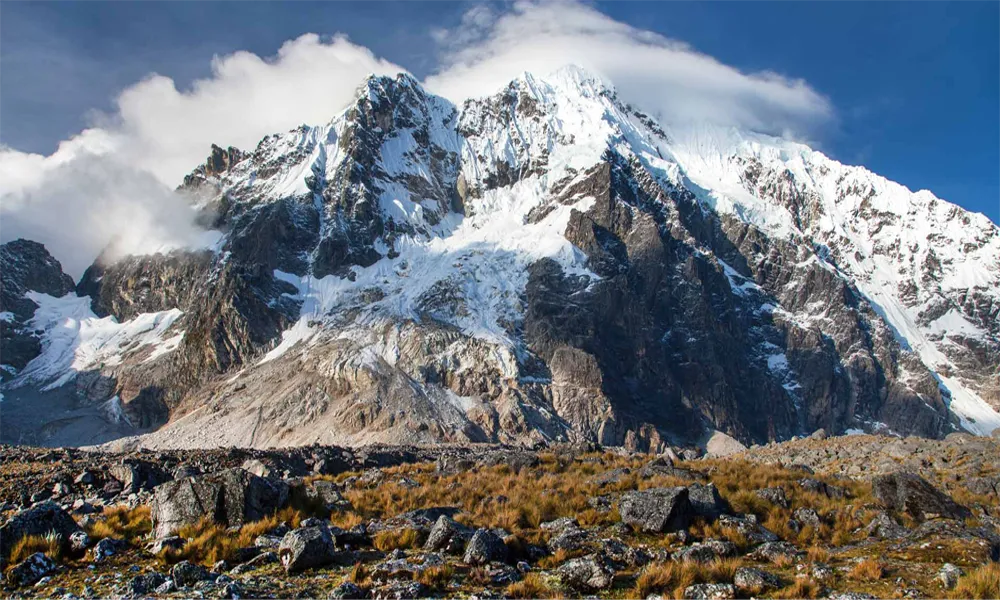
Salkantay Pass sits at around 4,650 m (15,255 ft) in the heart of the Andes, near Nevado Salkantay.
At this altitude, several key factors combine:
- Thinner air loses heat quickly
- Clear nights cause strong heat loss (radiational cooling)
- Constant wind lowers the “feels like” temperature
- Moisture can freeze at sunrise
It’s not unusual to wake up to frost on the tents.
🌡️ Real Temperatures (Day vs Night)
☀️ Daytime
- 8°C to 15°C (46–59°F) with sun
- 3°C to 8°C (37–46°F) if cloudy
- Feels colder with strong wind
When the sun hits, it can feel pleasant — but once it sets, temperatures drop fast.
🌙 Nighttime
- 0°C to -5°C (32–23°F) in dry season
- Down to -8°C (18°F) on especially cold mornings
- In wet season: 1°C to 4°C (34–39°F), but it can feel colder due to humidity
The temperature drop becomes noticeable after 6:00 p.m.
📅 Seasons & Weather Variation
🥶 Dry season (May–September)
- Coldest nights
- Clear skies
- Higher frost probability
- Best glacier visibility
June and July are usually the coldest months.
🌧️ Rainy season (November–March)
- Fewer extreme frosts
- More humidity
- More fog risk
- Slipperier trails
It may be less “extreme cold,” but rain can make everything feel more uncomfortable.
🌬️ Wind Chill: The Game-Changer
Wind at the pass can bring strong gusts, especially from 10:00 a.m. to 2:00 p.m.
This can cause:
- “Feels like” temperatures 5–8°C colder
- Faster dehydration
- Rapid cooling if you’re sweaty
Wind is one of the biggest factors that impacts how tough the pass feels.
🏕️ Where Is It Coldest on the Trek?
The coldest and most exposed camps are often:
- Soraypampa (night 1 for many itineraries)
- Camps closer to the pass (depends on the route/operator)
The coldest moment is usually the early morning before crossing the pass.
🧥 How to Dress Correctly (Pro Strategy)
Recommended 4-layer system
1️⃣ Thermal base layer (avoid cotton)
2️⃣ Mid layer (thick fleece)
3️⃣ Insulating layer (quality down or synthetic puffy)
4️⃣ Outer shell (waterproof + windproof)
Lower body
- Thermal leggings
- Trekking pants
- Optional: waterproof over-pants
Extremities
- Warm beanie
- Thick gloves
- Thermal hiking socks
- Buff/neck gaiter
🛌 Ideal Sleeping Bag Setup
Minimum recommendation:
- Comfort rating -10°C (14°F)
- Extra thermal liner
- Thick insulated sleeping pad
Many operators rent sleeping bags — always confirm the real temperature rating, not just “warm.”
🔥 Practical Tips to Survive the Night Cold
- Change out of sweaty clothes immediately
- Eat a hot, energy-dense dinner
- Keep batteries inside your sleeping bag
- Put a hot-water bottle in the sleeping bag (classic trick)
- Pee before sleeping (helps reduce heat loss)
- Keep your next-day clothes inside the tent so they’re not icy
🧠 Real Cold-Related Risks
Cold alone usually isn’t dangerous if you’re prepared — but combined with:
- altitude symptoms
- dehydration
- extreme fatigue
…it can make you feel much worse.
Warning signs (take seriously 🚨)
- Uncontrollable shivering
- Confusion
- Severe numbness
With a good guide and proper gear, serious risk is low.
❄️ Can It Snow at Salkantay Pass?
Yes, though it’s not frequent.
Possible conditions:
- Light snowfall occasionally
- Short hail bursts
- Regular morning frost
Most agencies monitor conditions and adjust timing if needed.
💧 Hydration in the Cold (Common Mistake)
Many people stop drinking because they don’t feel thirsty.
In cold altitude:
- Dehydration is sneaky
- You should still drink 2–3 liters per day
- Hot teas help a lot
📸 The Visual “Cold Experience”
The contrast is epic:
- Snowy peaks
- Intense blue skies
- Visible breath vapor
- Spectacular sunrises
The cold is part of what makes Salkantay feel legendary.
📌 Technical Summary
| Factor | Details |
|---|---|
| Altitude | 4,650 m |
| Day temp | 8–15°C |
| Night temp | 0 to -8°C |
| Coldest months | June–July |
| Wind | Frequent |
| Prep level | High |
🎯 Strategic Conclusion
Salkantay Pass isn’t just the highest point of the trek — it’s the most challenging weather moment. Below-freezing nights are normal in the dry season and are part of the Andean high-mountain experience.
But cold shouldn’t be a fear factor — it’s a planning factor. The difference between a miserable night and an epic experience comes down to:
- The right gear
- A proper layering system
- A warm, correctly rated sleeping bag
- Good acclimatization in Cusco
Many travelers describe the pass crossing as the most memorable moment: tough, cold, and absolutely spectacular.
Prepare well, and the “extreme cold” becomes part of the adventure — not a problem. 🏔️✨