Distance, Hiking Time, and Complete Guide to Reach Machu Picchu via Hydroelectric
If you’re planning to reach Machu Picchu using the more affordable alternative route, you’ve probably heard about the walk between Hydroelectric (Hidroeléctrica) and Aguas Calientes. Here’s the most complete guide: real distance, average time, difficulty, safety, costs, weather, and practical tips.
📍 Where Is Hydroelectric and Why Is It So Popular?
Hydroelectric is the end point of the road coming from Santa Teresa. It also has a small railway stop where the train passes on its way to Aguas Calientes.
Many travelers arrive here:
- By shared tourist transport from Cusco
- As part of the Inca Jungle trek
- As the final stretch of an alternative Salkantay itinerary
From Hydroelectric, you can choose: take the train or walk.
📏 Exact Distance of the Route
- Total distance: 10 to 11 km
- Average altitude: 1,800–2,000 m (5,900–6,560 ft)
- Terrain: mostly flat, parallel to the train tracks
- Elevation gain: minimal
It’s a simple, linear route: you basically walk alongside the tracks until you reach town.
⏱️ How Long Does It Really Take?
It depends on your pace and the weather:
| Pace | Estimated Time |
|---|---|
| Very relaxed | 3 – 3.5 hours |
| Average | 2.5 – 3 hours |
| Fast | 2 – 2.5 hours |
Things that can slow you down:
- Heavy backpack
- Strong heat
- Rain
- Accumulated fatigue (especially after trekking)
🥾 Difficulty Level
🔹 Overall difficulty: Low
No steep climbs or technical sections. Still, keep in mind:
- It’s often done after a long road trip (6–7 hours from Cusco)
- The climate is humid and tropical
- You may be tired if you’ve been trekking already
It’s manageable for most travelers with basic fitness.
🚆 Is It Safe to Walk Along the Train Tracks?
Yes — it’s a very common route for backpackers and tourists.
Important safety tips:
- Walk beside the tracks, not on the rails
- Listen for the train (it usually uses a horn)
- Step aside in wider areas when it passes
Trains don’t run constantly, but you should stay alert.
🌤️ Weather and Best Time of Day
Dry season (May–October)
- More stable conditions
- Less rain
- Better visibility
Rainy season (November–April)
- Higher humidity
- Possible heavy rain
- Muddier path
Best time to start walking:
✅ Between 10:00 a.m. and 3:00 p.m.
⚠️ Avoid leaving after 4:00 p.m. (it gets dark early)
💰 How Much Money Do You Save by Walking?
- Train Hydroelectric → Aguas Calientes: ~USD $30–$40
- Walking: Free
For budget travelers, the savings can be significant—especially for couples or groups.
🎒 What to Bring for This Section
Must-have:
- 1–1.5 liters of water
- Energy snacks
- Insect repellent
- Sunscreen
- Hat or cap
Recommended:
- Light rain jacket
- Headlamp (in case you’re delayed)
- Trekking poles if your legs are tired
Footwear:
- Comfortable sneakers or hiking shoes
- No extreme technical boots required
🧭 What Is the Scenery Like?
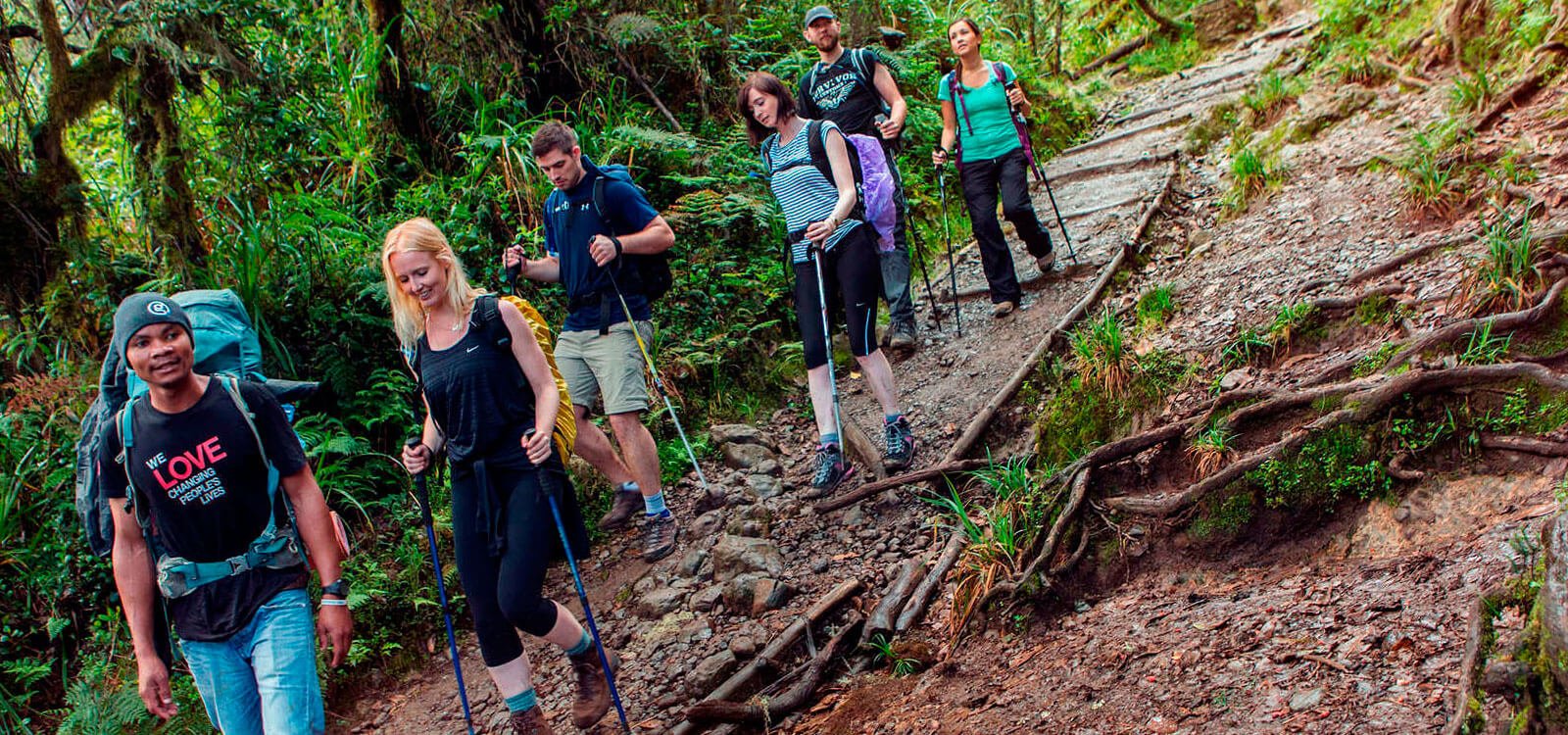
The walk goes through:
- Tropical vegetation
- The banks of the Urubamba River
- Metal bridges
- Jungle-covered mountains
It’s not a dramatic high-mountain hike, but it’s a pleasant natural environment.
🍽️ Services Along the Way
At Hydroelectric you’ll find:
- Basic restaurants
- Bathrooms (small fee)
- Snacks and drinks for sale
During the walk, there are no formal shops—though sometimes small temporary stalls appear.
🚩 Common Mistakes to Avoid
- Starting too late and walking at night
- Not carrying enough water
- Underestimating heat and humidity
- Bringing heavy luggage like a suitcase
- Not checking the weather before leaving
🧠 Who Is This Route Best For?
✅ Ideal for:
- Backpackers
- Independent travelers
- People with flexible schedules
- Tight budgets
❌ Not recommended for:
- Families with very small children
- People with reduced mobility
- Travelers with large/heavy luggage
- Very late arrivals
🎯 Conclusion
The Hydroelectric → Aguas Calientes walk is an affordable, accessible, and popular alternative for travelers heading to Machu Picchu. It’s not technical or especially dangerous, but it does require basic planning: start early, carry water, and stay alert when trains pass.
For many backpackers, it’s the symbolic “final effort” before reaching the gateway town to Machu Picchu. If you have the time and energy, it’s a practical and widely used option.
If you prioritize comfort—or arrive late—the train may be the better choice. But if you want independence and savings, walking from Hydroelectric is a solid, safe, and budget-friendly route. ✅🏔️