Food on the Salkantay Trek: Quality, Portion Sizes, and Vegetarian/Vegan Options (Explained in Detail) 🍽️🏔️
If you’re going to hike for several days in the Andes on the Salkantay Trek, it’s totally normal to wonder: Will I eat enough? Is the food safe? Will there be real vegetarian or vegan options?
Here’s a complete, honest guide to the quality, quantity, variety, and food logistics on the trek.
🍽️ What Is the Food on the Salkantay Trek Really Like?
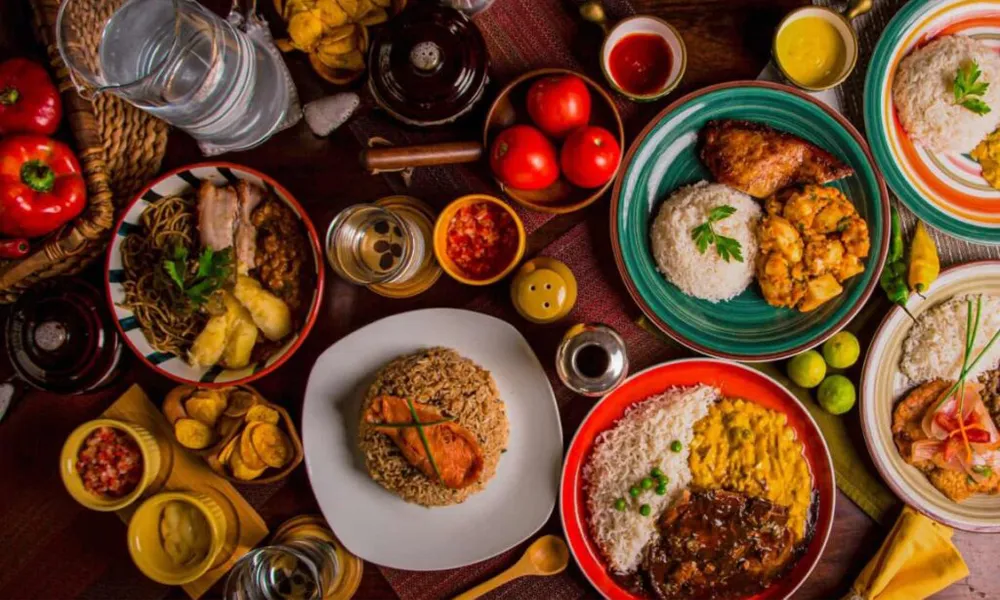
Food on the Salkantay Trek often surprises people in a good way. It’s usually not “survival-style” dehydrated meals.
Who cooks?
- A professional cook assigned to the group
- Kitchen assistants
- Gear transported by mules/horses (camping-style tours)
- On premium versions: meals prepared in mountain lodges
Most reputable operators invest a lot in food because they know it directly affects your energy and overall trek experience.
🥣 Food Quality: Good or Basic?
It depends on the operator, but generally:
✔️ Common ingredients
- Rice, pasta, quinoa
- Fresh vegetables
- Andean potatoes
- Lentils
- Chicken or meat (for those who eat it)
- Fruits
- Local herbs (muña, coca)
✔️ Cooking style
- Homemade soups (very energizing at altitude)
- Full hot main dishes
- Sometimes simple desserts (gelatin, rice pudding, fruit)
With good agencies, the quality is considered very good for high-mountain conditions.
🍛 Portions: Will You Be Hungry?
Salkantay involves:
- 4 to 8 hours of hiking per day
- Big elevation changes
- High altitude (higher calorie burn)
So portions are usually generous.
🔥 Typical daily structure
🍳 Breakfast
- Hot oats or quinoa porridge
- Eggs or a vegetarian alternative
- Bread with butter and jam
- Fruit
- Coffee, tea, or coca tea
🍲 Lunch
- An energy soup (almost always included)
- Main dish (rice/pasta/quinoa + protein or vegetables)
- Hot drink
🍛 Dinner
- Soup
- A more filling main course
- Occasional dessert
📌 Many travelers say they eat more than they do at home during the trek.
🌱 Vegetarian and Vegan Options: Real or Limited?
Yes, they exist — but the key is to notify the operator in advance.
🥕 Vegetarian options (common)
- Vegetable omelets/tortillas
- Quinoa with vegetables
- Pasta with vegetable sauce
- Meat-free soups
- Lentils and legumes
🌿 Vegan options (possible with advance notice)
- Rice with vegetables
- Quinoa dishes
- Lentils
- Stir-fried vegetables
- Soups without dairy or eggs
⚠️ Important tip: confirm twice before paying for your tour (and remind them again before the trek starts).
📊 Comparison: Salkantay vs Inca Trail
| Aspect | Salkantay Trek | Inca Trail |
|---|---|---|
| 🍽️ Average quality | Good–Very good | Good |
| 🍛 Variety | High | Medium |
| 🌱 Vegetarian | Yes | Yes |
| 🌿 Vegan | Yes (with advance notice) | Yes (with advance notice) |
| 🥣 Energy soups | Always | Always |
| 🍫 Snacks included | Sometimes | Sometimes |
In general, Salkantay tends to offer more food flexibility than the Classic Inca Trail.
💰 What’s Usually Included vs Not Included
✔️ Normally included
- Breakfast, lunch, and dinner
- Boiled water to refill bottles
- Afternoon tea (“happy hour”)
- Simple snacks (depends on the operator)
❌ Usually not included
- Personal snacks
- Alcohol
- Final lunch in Aguas Calientes
- Special diets if not communicated ahead of time
💡 Recommended extra snack budget: USD $20–$40.
🧼 Hygiene and Food Safety
Responsible operators usually:
- Boil water
- Use fresh products purchased in Cusco
- Keep utensils clean
- Thoroughly cook meats and legumes
Even though risk is generally low, it’s still smart to:
- Bring probiotics if you’re sensitive
- Avoid very heavy foods before the trek
- Provide serious allergies in writing
🎒 Practical Pro Tips for International Travelers
🏔️ Altitude and appetite
In the first days, you may feel less hungry. Still try to eat small portions to maintain energy.
💧 Hydration
Aim for 2–3 liters per day.
🥜 Smart snacks to bring
- Nuts/trail mix
- Energy bars
- Dark chocolate
- Electrolyte salts
🌱 Strict vegans
Reconfirm the menu before the trek begins.
☕ Coca tea
Often helps with acclimatization and digestion.
🧠 FAQs
Is the food spicy?
No — it’s usually adapted to international tastes.
Can I ask for more food?
Yes, most of the time you can have seconds.
Do they have real coffee?
Depends on the operator: some offer brewed coffee, others instant.
Is it suitable for celiacs/gluten-free travelers?
Only if you inform the operator very early — not all can guarantee a kitchen free of cross-contamination.
🎯 Conclusion
Food is often one of the most appreciated parts of the Salkantay Trek. It typically meets your calorie needs and often exceeds expectations given the remote mountain setting.
If you choose a responsible operator and clearly communicate your dietary needs:
- You’ll get enough food
- You’ll have real vegetarian/vegan options
- You’ll eat hot meals daily
- You’ll stay better hydrated
Bottom line: you usually won’t go hungry — the key is booking a reliable operator and informing special diets ahead of time ✅🍽️🏔️