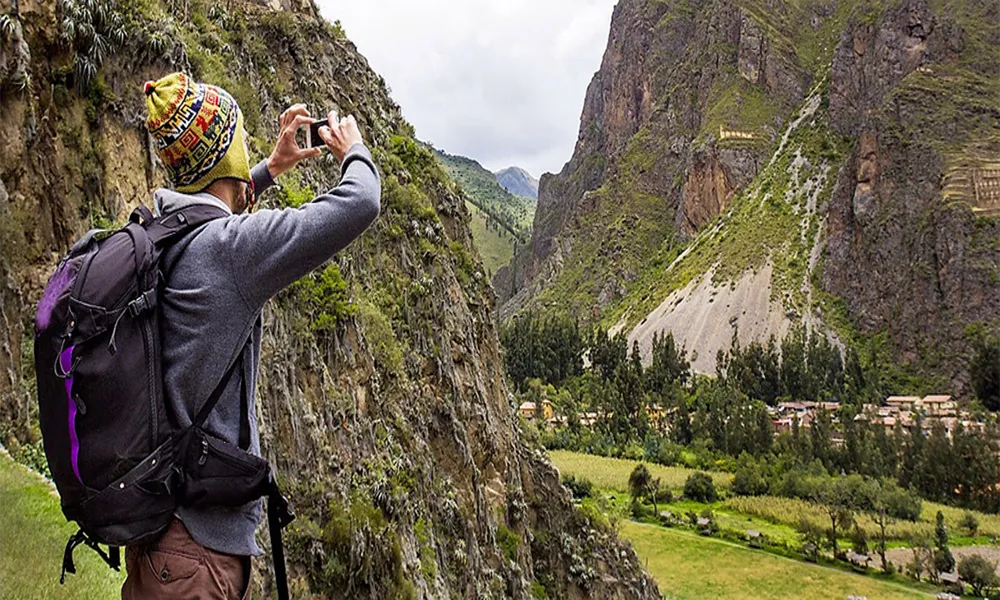
If you’re planning to go trekking in Cusco — such as the Salkantay Trek, the Ausangate Trek, or the Inca Jungle Trek — your insurance must cover two key things:
👉 altitude and
👉 rescue/medical evacuation in remote areas.
On Salkantay, for example, the highest point reaches approximately 4,650 m (15,255 ft) — which already exceeds the limit of many standard travel insurance policies.
Below is a complete guide to choosing the right insurance plan ✅🏔️
1️⃣ The Minimum It Must Cover (The Essentials)
✅ A. Maximum Altitude Covered (With Margin)
Look for coverage above 4,650 m, ideally up to 5,000–6,000 m.
Why leave a margin?
- Some routes or detours may go slightly higher.
- It’s safer not to sit exactly at the limit (where insurers can be strict).
Examples for reference:
🌍 World Nomads
Often indicates trekking/hiking coverage up to 6,000 m, depending on the plan and options selected.
🧾 Allianz
In some “Adventure Travel” versions (varies by country), mentions trekking/hiking between 3,000 and 6,000 m without technical equipment.
🔎 Important tip:
If the policy only covers “up to 3,000 m” (very common), it is not suitable for Salkantay.
✅ B. Medical Evacuation & Rescue in Remote Areas 🚑
This is the most important element after altitude.
It must include:
- Emergency evacuation to an appropriate medical facility
- 24/7 emergency assistance
Repatriation if necessary
⚠️ Read the fine print:
Some policies cover medical expenses but impose strict conditions on evacuation — or exclude it entirely.
✅ C. Adventure Activities / Trekking Coverage
The policy must clearly state it covers:
- Trekking / hiking / mountain hiking
- That it is not excluded as an “extreme sport”
Some policies only cover trekking if:
- No ropes or technical gear are used
- The route is recognized
- Certain conditions are met
Always check the “adventure activities” section carefully.
✅ D. High Medical Coverage Limits
Practical recommendation:
Choose coverage in the tens of thousands (or more) for medical emergencies.
Hospitalization or evacuation in remote areas can be expensive.
2️⃣ Extra Coverage Worth Considering
✅ Trip Interruption / Cancellation
Useful if:
- You get sick before starting the trek
- Weather forces changes
- You must return early
✅ Equipment / Baggage Coverage
Not critical, but helpful if you lose:
- Backpack
- Camera
- Phone
3️⃣ Common Mistakes (And How to Avoid Them) ❌
❌ “My credit card already includes insurance.”
Sometimes yes, but it may:
- Have low limits
- Exclude trekking
- Exclude high altitude
✅ Solution: Download the official policy PDF and search for:
- “Altitude limit”
- “Trekking”
- “Hiking”
- “Adventure sports”
❌ Not Checking the Altitude Limit
Many standard travel insurance policies stop at 3,000 m.
That does not cover routes like:
- Salkantay Trek
- Ausangate
❌ Assuming “Trekking” Covers Any Trek
Some policies only cover trekking:
- Without technical equipment
- On established trails
- Up to a specific altitude
- Always read the exclusions.
4️⃣ Insurance Companies That Often Offer High-Altitude Trekking Options (Examples)
There is no “best for everyone.” It depends on:
- Your country of residence
- Age
- Trip duration
- These examples show what to look for:
🌍 World Nomads
- Trekking/hiking coverage
- Option up to 6,000 m (depending on plan)
✔️ Popular among adventure travelers
🧾 Allianz
- “Adventure” versions in some countries
- Trekking without technical gear up to certain altitudes
✔️ Suitable for those who prefer major insurers
🌐 SafetyWing
- Popular among long-term travelers
- Adventure/altitude coverage depends on plan or add-on
✔️ Useful for extended multi-country trips
📌 Important:
Products vary by country and plan. Always confirm details in the official policy document.
5️⃣ Quick Checklist (Copy This) ✅
Before paying, confirm your policy states:
✔ Trekking/Hiking covered
✔ Maximum altitude ≥ 5,000 m (ideally 6,000 m)
✔ Evacuation and repatriation included
✔ 24/7 emergency assistance
✔ High medical coverage limits
✔ Valid in Peru (Cusco region)
✔ No requirement for technical equipment (if you’re not doing technical climbing)
6️⃣ Mini Recommendation by Travel Type 🎒
- Short trip (Salkantay / Inca Jungle only):
→ Choose an “Adventure” plan with altitude ≥ 5,000–6,000 m + evacuation. - Doing rafting, ziplining, or biking as well:
→ Make sure those activities are included or add the corresponding adventure package. - Long South America trip:
→ A “long-stay” or “nomad” plan may be suitable — but double-check altitude and rescue coverage carefully.
🏔️ Final Thought
For trekking in Cusco, the right insurance isn’t the cheapest — it’s the one that truly covers:
✔ Real altitude
✔ Rescue in remote areas
✔ Trekking activity