Impact of Tourism on the Conservation of Manu (Ecotourism vs. Mass Tourism)
You know that tourism can help… but it can also harm. It’s natural to wonder if visiting Manu contributes to its conservation or accelerates its deterioration. How does ecotourism work in Manu, what differentiates it from mass tourism, and how can you choose a tour that truly protects the rainforest?
🐆 What is Manu and why is it so sensitive to tourism?
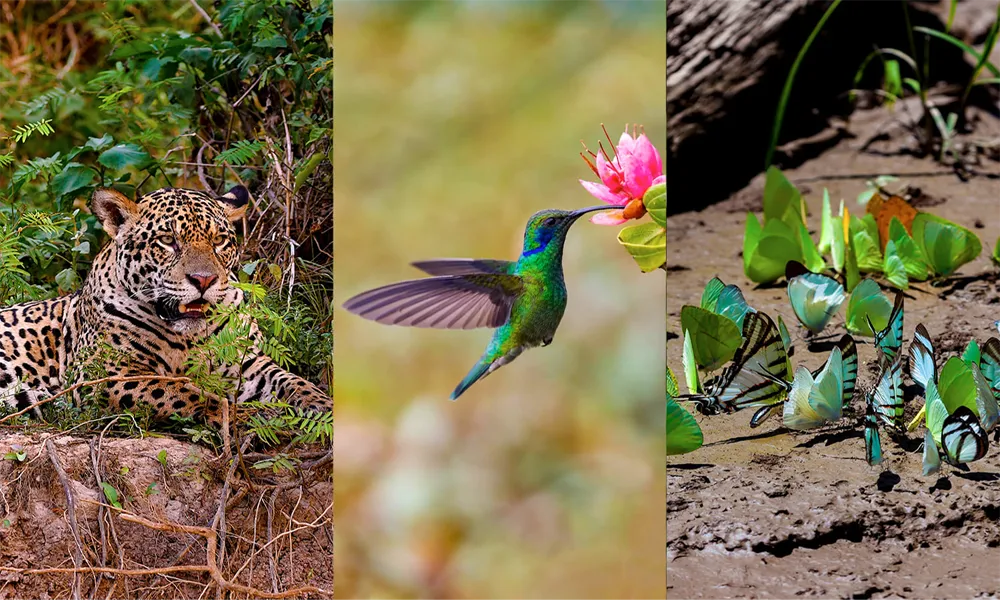
Manu National Park is a UNESCO World Heritage Site and one of the most biodiverse places on the planet.
It is divided into:
- Cultural Zone (regulated tourism)
- Reserved Zone (limited access)
- Intangible Zone (no tourism)
Its ecological fragility makes the tourism model crucial.
🌱 Ecotourism vs. Mass Tourism: What’s the real difference?
🌿 Ecotourism in Manu
- Small groups (6–10 people)
- Solar-powered lodges
- Certified guides
- Conservation fees paid
- Economic benefit to local communities
👉 Visitors become conservation partners.
⚠️ Mass Tourism
- Large groups
- Pressure on wildlife
- Invasive infrastructure
- Noise and habitat disruption
👉 In the long term, it affects biodiversity and the traveler experience.
📊 Impact and Experience
| Model | Average Price (4 days) | Environmental Impact | Experience Quality | Recommended Duration | Best Season |
|---|---|---|---|---|---|
| Ecotourism | USD 600–900 | Low (regulated) | High, authentic | 4–6 days | May – October |
| Mass Tourism (theoretical) | Cheaper | Medium–High | Superficial | 3 days | Variable |
🛠️ How does tourism-funded conservation work?
Entrance fees
- Part of the tour cost goes toward park maintenance.
Local employment
- Guides, drivers, and lodge staff come from nearby communities.
Access control
- Limited permits reduce environmental pressure.
📋 Official Requirements and Regulations
- Entry only with an authorized operator
- Independent entry is not permitted
- Strict adherence to waste management regulations
- Removing flora or fauna is prohibited
- The current model prioritizes conservation over tourism volume.
🌦️ Best Time to Minimize Impact
- Dry season (May–October): less erosion on trails
- Rainy season: smoother navigation, less pressure on roads
Both are valid; the impact depends more on the operator than the month.
🎒 Pro-Tips for Foreigners (Responsible Travel)
Choose certified tour operators
- Ask about environmental policies and maximum group size.
Bring reusable gear
- Reusable water bottle and dry bag.
Respect wildlife boundaries
- Don’t use flash photography or chase animals.
There’s no altitude sickness
- Manu is in the lowland rainforest, but the journey begins in Cusco (you may experience slight acclimatization).
Prepare for humid weather
- Wear lightweight, long-sleeved clothing
- Waterproof boots
- Powerful insect repellent
🏆 So, does tourism help or hurt?
In the case of Manu, regulated ecotourism helps fund its conservation.
The key is not to stop visiting, but to visit responsibly. Your choice of tour operator directly impacts the park’s protection.