Differences Between the Cultural Zone, Reserved Zone, and Intangible Zone of Manu
Confused about which zone of Manu to visit? It’s perfectly normal: each area has very different rules, access levels, and experiences. In this updated guide, I’ll explain what each zone means, how much it costs, what’s included, and which one to choose based on your travel style, so you can make the best decision without having to Google it again.
🏞️ What is Manu and how is it divided?
Manu National Park is one of the most biodiverse places on the planet and a UNESCO World Heritage Site.
The park is divided into three main zones with different levels of protection and tourist access:
- Cultural Zone
- Reserved Zone
- Intangible Zone
Each one caters to a different experience and traveler profile.
🌳 Cultural Zone of Manu
🔎 What is it?
This is the zone with the greatest tourist access and is home to local communities. Organized tours with basic infrastructure are offered here.
Main Activities:
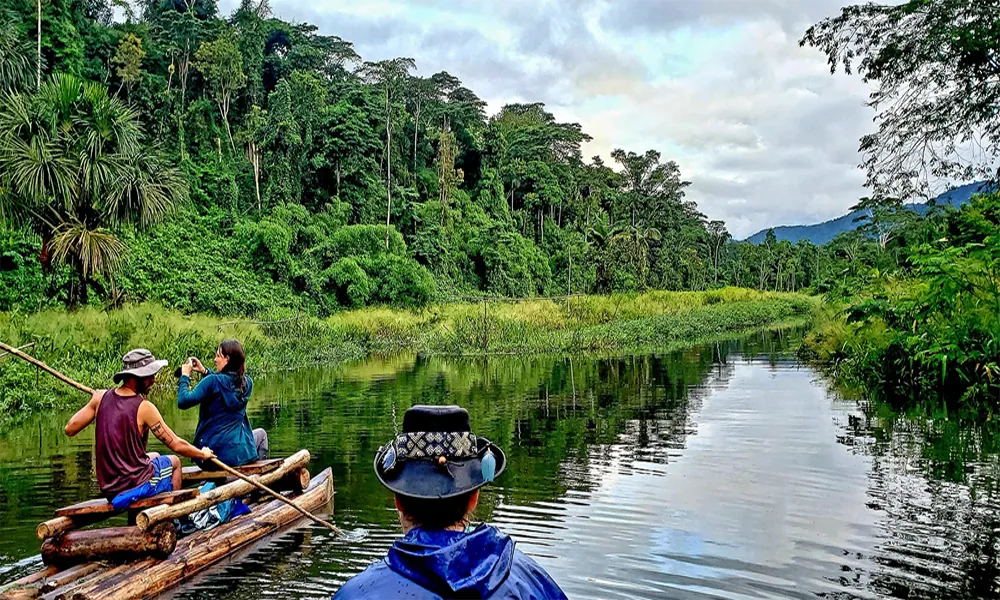
- River Boat Trips
- Guided Jungle Hikes
- Monkey and Bird Watching
- Visit to Macaw Clay Licks
🚗 How does access work?
- Entry with an authorized operator
- No additional special permits required
- Ideal for short trips (3–4 days)
👨👩👧👦 Who is it ideal for?
- First trip to the Amazon
- Families
- Mid-range budget
- Limited time
🐆 Manu Reserved Zone
🌿 What is it?
It’s the most pristine heart of the park. Tourism is strictly controlled, and biodiversity is significantly higher.
🎟️ How does access work?
- Only with specialized operators
- Limited spaces per day
- Special permit included in the tour
- Recommended duration: 5–7 days
🦜 What makes it special?
Higher probability of seeing:
- Giant otters
- Large flocks of macaws
- Exceptional diversity of birds and mammals
🎒 Who is it ideal for?
- Nature photographers
- Wildlife lovers
- Adventurous travelers
🚫 Manu Intangible Zone
🛑 What is it?
It is the area of maximum protection where Indigenous peoples live in voluntary isolation.
❌ Can it be visited?
- No. Tourist access is completely prohibited.
🛡️ Why does it exist?
- Protection of uncontacted communities
- Absolute conservation of the ecosystem
- Prevention of cultural and health impacts
📊 Comparative Table
| Characteristic | 🌳 Cultural Zone | 🐆 Reserved Zone | 🚫 Intangible Zone |
|---|---|---|---|
| Tourist Access | Yes | Yes (limited) | No |
| Average Price | USD 350 – 700 | USD 1,200 – 2,000 | Not available |
| Typical Duration | 3–4 days | 5–7 days | — |
| Difficulty | Low–Medium | Medium–High | — |
| Best Time | May–October | May–October | — |
| Biodiversity Level | High | very high | Máximum |
| Special Permit | No | Yes | Prohibited |
📋 Important Requirements for Foreigners
- Valid passport
- Travel insurance recommended
- Yellow fever vaccination (highly recommended)
- Advance booking (30–60 days in high season)
🎒 Expert Pro-Tips for Travelers International
🌦️ Climate
- Dry season (May–October): best conditions for wildlife
- Rainy season (November–April): fewer tourists but higher humidity
🏔️ Altitude Sickness
- The tour starts in Cusco (3,400 m).
- Acclimatize at least 24 hours before departure.
🧳 Key Equipment
- Waterproof boots
- Rain poncho
- Strong insect repellent (30% DEET minimum)
- Headlamp
- Power bank
📷 Photography
For Reserved Areas:
- Minimum 300mm lens
- Waterproof cover
📵 Connectivity
- There is no stable signal or Wi-Fi. Be prepared for total disconnection.
🤔 Which Area of Manu to Choose?
- Short time + comfortable experience → Cultural Zone
- Maximum biodiversity + real adventure → Reserved Zone
- Intangible Zone → Not accessible to tourists
If you’re looking for a deeper and more exclusive experience, the Reserved Zone offers the most complete immersion, although it requires a greater investment and time.