Animals You Can See in Manu: Jaguar, Giant Otters, Macaws, Monkeys
We know that traveling to the Amazon can raise questions: Will you really see a jaguar, or just endless jungle? The good news is that Manu National Park is one of the most biodiverse places on the planet. Here you’ll discover which animals you can see, how much it costs, and how to plan your perfect trip.
🌎 What is Manu National Park and why is it unique?
Located between Cusco and Madre de Dios, Peru, Manu is a UNESCO World Heritage Site and one of the parks with the highest concentration of wildlife in the world.
🐾 Star Animals You Can See
🐆 Jaguar
- The largest feline in the Americas. Sightings are difficult, but possible in the lower reaches of the Manu River during the dry season.
🦦 Giant Otters
- They are frequently seen in lagoons like Cocha Salvador. They are active and move in groups, which increases the likelihood of seeing them.
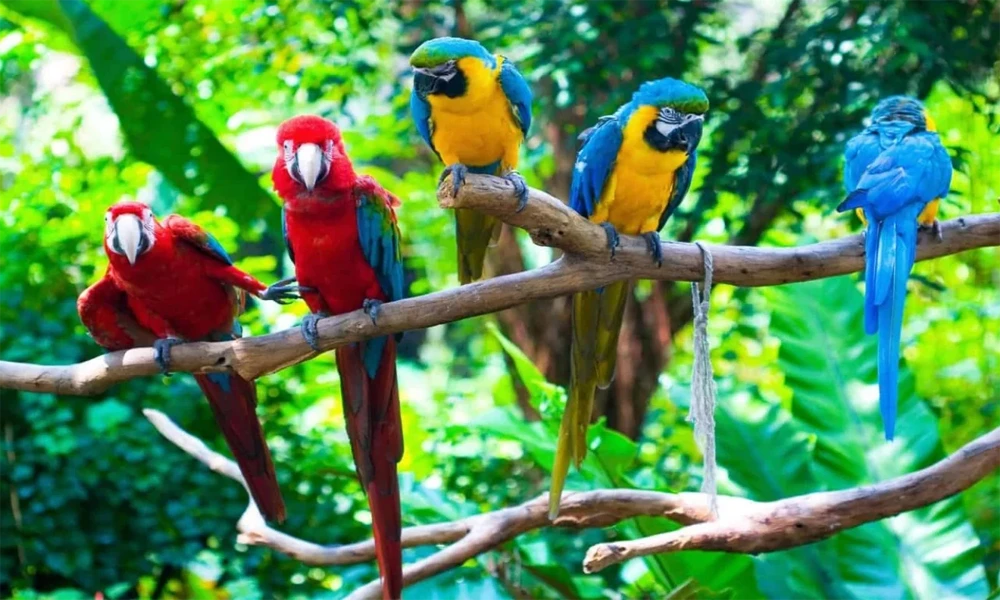
🦜 Macaws
- The most impressive spectacle occurs at the clay licks, where hundreds gather to feed on clay.
🐒 Amazonian Monkeys
- Capuchin, spider, and howler monkeys are common during hikes and boat trips.
🚤 How does a wildlife tour in Manu work?
Most foreign tourists depart from Cusco or Puerto Maldonado.
🗺️ Main Options
🌿 Manu Cultural (3–4 days)
- More economical
- Ideal if you have limited time
- Lower chance of seeing a jaguar
🌳 Manu Reserve (5–7 days)
- Access to core areas
- High chance of seeing giant otters
- More remote and authentic experience
📊 Comparison Chart of Manu Experiences
| Features | Manu Cultural | Manu Reserve |
|---|---|---|
| Average Price | USD 450–700 | USD 900–1,500 |
| Duration | 3–4 days | 5–7 days |
| Difficulty | Moderate | Moderate–High |
| Best Time | May–October | May–September |
| Jaguar Probability | Low | Medium |
| Giant Otters | Occasional | High |
| Macaws | Medium | Very High |
📋 Requirements and Logistics for Foreigners
🛂 Documentation
- Valid passport
- Check visa requirements based on nationality
💉 Health
- Fever vaccination Yellow flag recommended
- Travel insurance required
- Strong insect repellent essential
💪 Physical fitness
Tolerance for:
- High humidity
- Muddy walks
- Long boat rides
💰 Costs: What’s included and what’s not included in a tour?
✅ Typically includes:
- Land and river transportation
- Bilingual naturalist guide
- Lodge accommodation
- Full board
- Park entrance fees
❌ Typically does not include:
- Domestic flights
- Tips
- Alcoholic beverages
- Travel insurance
🌤️ Best time to see wildlife in Manu
☀️ Dry season (May – October)
- Higher probability of sightings
- Less rain
- Lower river levels = higher concentration of animals
🌧️ Rainy season (November – April)
- Greener landscape
- Fewer tourists
- Greater logistical challenges
For jaguars: June to September is the best time.
🎒 Expert Tips (Pro-Tips for Foreigners)
🎒 Essential Equipment
- Waterproof boots
- Rain poncho
- Headlamp
- Power bank
- Binoculars
🌡️ Climate
- Temperatures between 20–32°C with humidity above 80%.
🏔️ Altitude Sickness
- If you are departing from Cusco, spend 1–2 days acclimatizing before the tour.
📸 Photography
- 300mm lens or longer
- Waterproof camera case
💡 Key Tip
The more days you stay in the reserve, the greater your chances of seeing rare species like the jaguar.