What is the Inca Jungle Trek to Machu Picchu and what is the experience like?
The Inca Jungle Trek (also spelled Inka Jungle) is an alternative route to Machu Picchu that combines adventure and trekking in a single trip. Unlike the Inca Trail (more focused on archaeological sites and with limited permits) or the Salkantay Trek (more high-altitude), the Inca Jungle Trek is famous for its combination of activities: it typically includes mountain biking, hiking through the high jungle, zip-lining, and, in some versions, rafting.
The central idea is simple: instead of hiking the same trail every day, you switch between different activities (biking, hiking, zip-lining) as you descend from the Andes into a warmer, greener climate, eventually reaching Aguas Calientes (the base town for Machu Picchu).
1) Why is it called “Inca Jungle”?
It’s called the “Jungle” because much of the route passes through the cloud forest/high jungle, a humid and lush area abundant with dense vegetation, rivers, and plantations (coffee, cacao, fruit). And it’s called “Inca” because, in some sections, it crosses ancient paths or areas linked to historical routes (although it’s not the official Inca Trail).
2) Where does it take place, and what is the route’s logic?
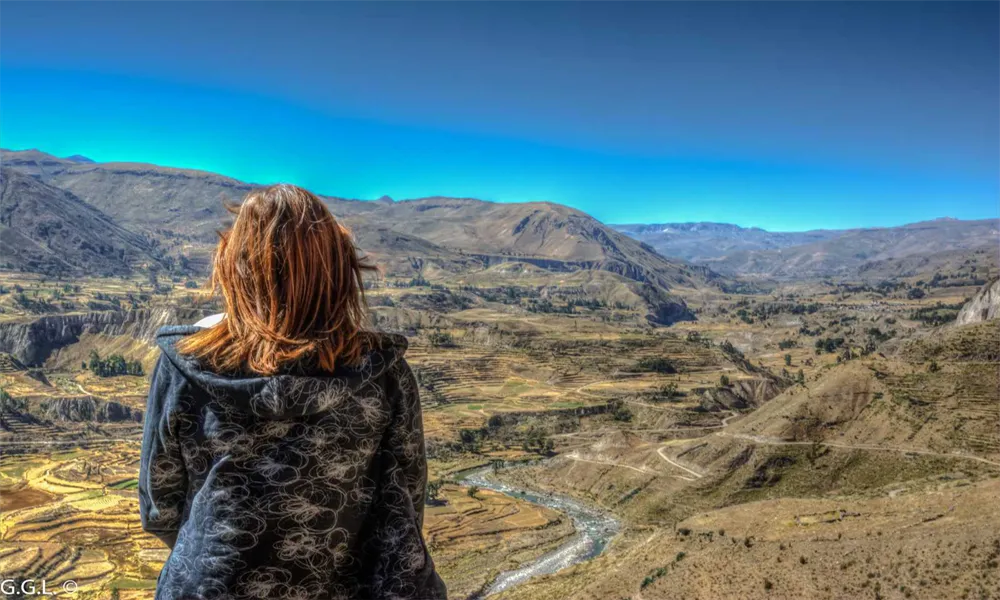
Most itineraries start from Cusco and cross Abra Málaga (a high mountain pass, close to 4,000 meters). From there, the experience is usually downhill: you descend towards towns like Santa María and Santa Teresa, and finally arrive in Aguas Calientes to visit Machu Picchu.
This transition makes the trip feel like “two worlds”:
- Andean beginning: cold, high altitude, mountains.
- Tropical section: warm, humid, green, with rivers and valleys.
3) What is the experience like day by day? (Typical 4-day itinerary)
Note: Agencies may vary, but this is the most common itinerary.
Day 1: Downhill Biking (the most adrenaline-pumping part)
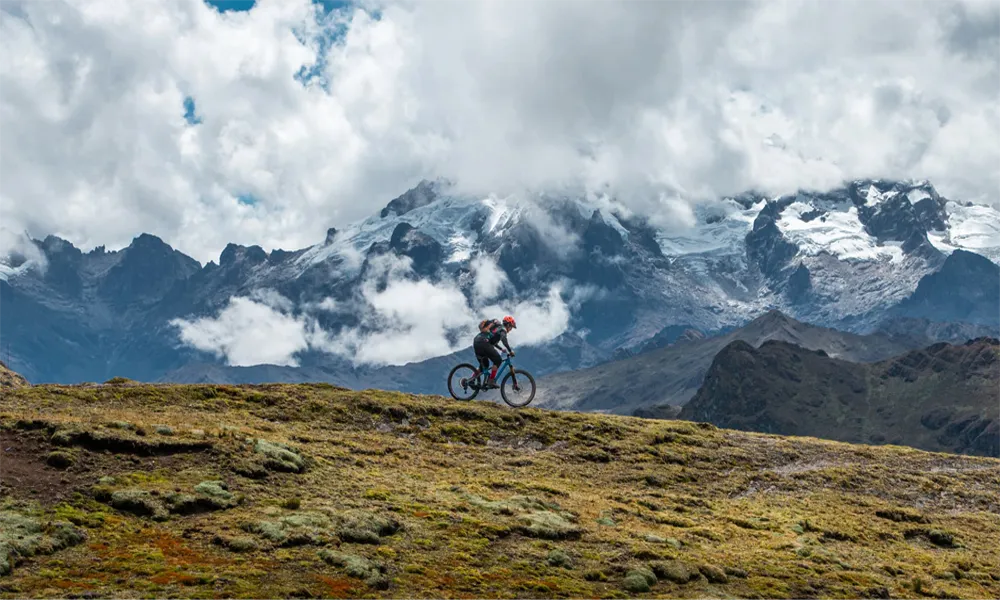
This day usually starts very early. After the transfer from Cusco to Abra Málaga, you’ll be equipped with a helmet and protective gear, and a long downhill bike ride begins on a mountain road (with curves, stunning views, and changing weather).
What to expect:
- You start in the Andean chill and end in a temperate climate.
- The landscape changes rapidly: mountains → valleys → vegetation.
- It’s exciting, but requires attention (especially in humid or foggy areas).
Important: If you’re intimidated by biking, many agencies offer the option of a support vehicle (this varies by operator).
Day 2: Trekking in the High Jungle (the most hike-oriented day)
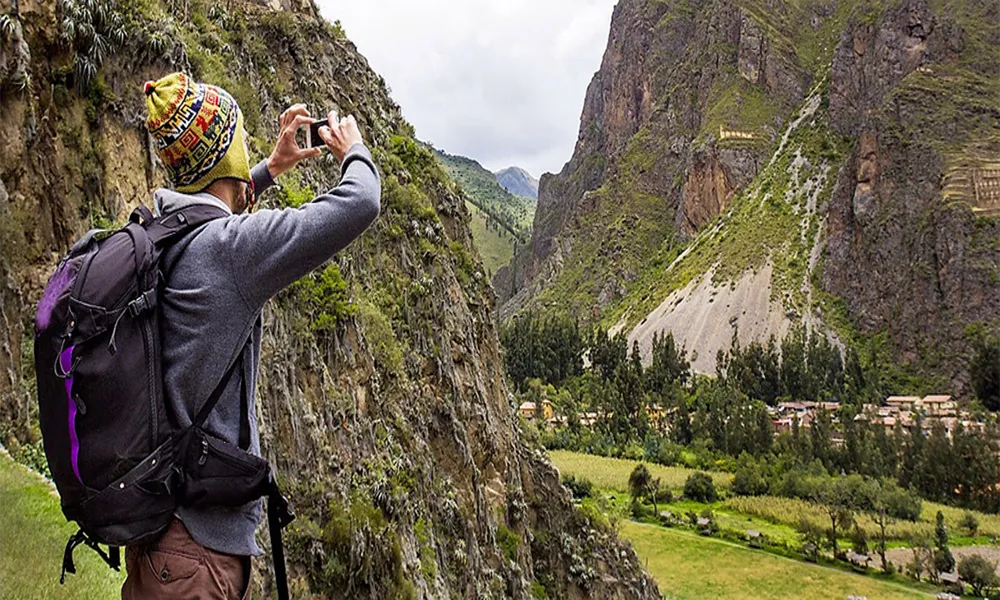
This day is usually more continuous hiking, traversing trails, short climbs, streams, and cultivated areas.
A typical day:
- You hike along rural trails with verdant views.
- There are stops to learn about processes like coffee production (depending on the itinerary).
- The weather can be warm and humid, so you’ll sweat more than in the mountains.
At this point, many people feel the route is more “human” and intimate: homes, crops, small local restaurants, everyday life.
Day 3: Zip-lining + relaxation in hot springs (the most fun/relaxing day)
Day 3 often includes zip-lining on a multi-cable circuit (optional on some tours). It’s a very popular experience because it combines stunning views and adrenaline without being overly technical.
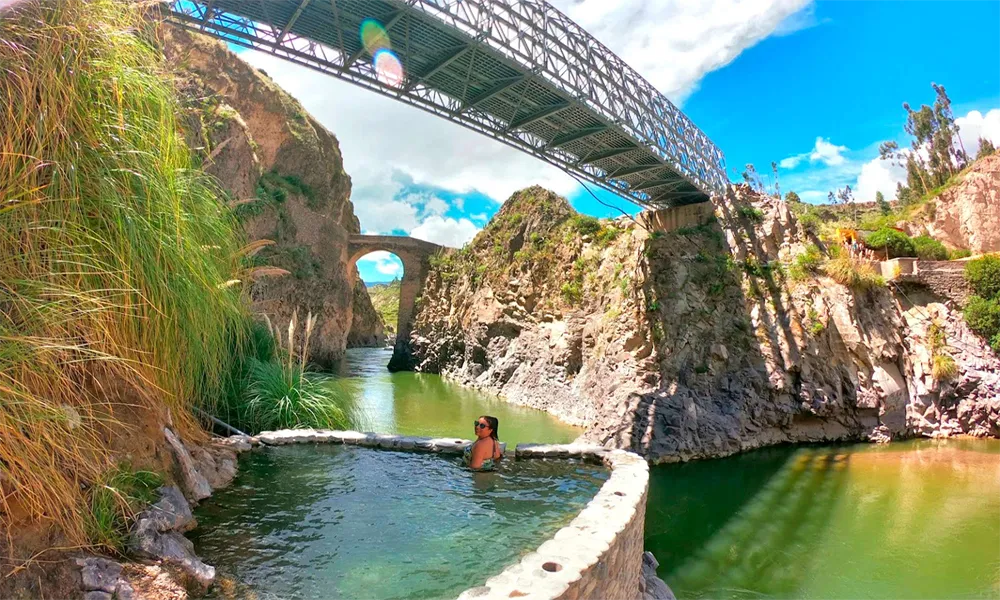
Afterward, there’s usually time for the hot springs near Santa Teresa, a perfect moment to relax your legs and recharge before Machu Picchu.
This day usually has a more relaxed pace:
- Short, intense activity (zipline)
- Recovery time (hot springs)
- Preparation for the final leg
Day 4: Arrival at Machu Picchu (the reward)
You usually spend the night before in Aguas Calientes. At dawn, you ascend to Machu Picchu (on foot or by bus, depending on your tour). Then you take the guided tour and have time for photos.
What to expect that day:
- Early start (almost always).
- A lot of excitement: it’s the grand finale of the trip.
- The visit may depend on the assigned circuit/schedule (this is determined by the type of ticket).
4) How difficult is the Inca Jungle Trek?
Generally speaking, it’s considered moderately difficult, but with one important detail: it’s not just hiking.
- Biking: requires balance and control; you don’t need to be a pro cyclist, but you do need to be comfortable with descents.
- Hiking: is usually gentler than the Salkantay Trek in terms of altitude, but it can be long and hot.
- Ziplining: doesn’t require high physical fitness, but it does require confidence and the ability to follow instructions.
If you compare:
- Less demanding in terms of altitude than the Salkantay Trek.
- Fewer “endless stairs” than the Inca Trail.
- More varied and active than routes that are solely hiking.
5) Is the Inca Jungle Trek dangerous? Real risks and how to reduce them
It’s not “dangerous by default,” but like any adventure activity, it has risks that depend heavily on the weather, the tour operator, and the traveler’s behavior.
Main risks
- Falls while biking (due to speed, curves, rain, gravel).
- Slips on wet trails (mud, wet rocks).
- Minor bumps and bruises due to inattention or fatigue.
- Altitude sickness at the beginning (due to the high pass, although the trek descends quickly).
- Heavy rains during the rainy season (visibility and terrain).
How to make it much safer
- Choose an operator that prioritizes safety (helmet in good condition, clear briefing, attentive guide).
- Don’t “race” on the bike: descend at your own pace, brake before curves.
- Wear shoes with good grip (not smooth sneakers).
- In the rain: wear a proper rain suit, protect your backpack, and walk more slowly.
- If you experience severe altitude sickness at the beginning, report it immediately.
6) Availability: Does it sell out like the Inca Trail?
Normally not. That’s one of its great advantages.
- It usually has more spots available and more departures.
- It’s easier to book with less advance notice (although it’s still advisable to plan ahead during peak season).
7) Costs: What you actually pay (and what to look out for)
The price varies depending on:
- group size,
- accommodation quality,
- whether it includes zipline/rafting,
- whether it includes the bus up to Machu Picchu,
- type of return train (if applicable),
- entrance fees (Machu Picchu and extras).
What a typical package usually includes:
- Initial transportation from Cusco
- Bicycle + helmet (and sometimes gloves/protective gear)
- Guide
- Accommodation (usually 2–3 nights)
- Meals (often breakfast + lunch + dinner, varies)
- Entrance to Machu Picchu (in many tours, but not always)
- Organization of activities (zipline/rafting may be “optional”)
What is usually NOT included (note):
- Bus up/down to Machu Picchu (sometimes extra)
- Tips
- Snacks/drinks
- Raincoat or technical clothing (sometimes sold/rented)
- Optional entrance fees (hot springs, zipline) depending on the operator
Practical tip: When comparing prices, don’t just compare the final number: compare what’s included (especially Machu Picchu entrance and return transportation).
8) Who is the Inca Jungle Trek ideal for?
✅ Ideal if:
- you enjoy adventure and variety (not just hiking),
- you want a more flexible plan with greater availability,
- you prefer a temperate/warm climate for most of the trip,
- you’re traveling with friends or enjoy meeting people along the way.
⚠️ Perhaps not the best option if:
- you’re afraid of cycling downhill on roads,
- you’re looking for extensive archaeological sites along the way (for that: the Inca Trail),
- you prioritize high mountains and glacial landscapes (for that: the Salkantay Trek),
- you don’t tolerate heat/humidity well.
9) What to Pack: A Practical List for Foreigners
Clothing and Protection
- Lightweight waterproof jacket
- Layers: breathable t-shirt + light jacket
- Comfortable trousers (ideally quick-drying)
- Change of clothes (for rain/sweat)
- Hat/cap + sunglasses
- Sunscreen
Footwear
- Sneakers or boots with good grip (firm soles)
- Lightweight sandals (for hot springs/relaxing)
Health and Comfort
- Insect repellent
- Reusable water bottle
- Rehydration salts (useful in the heat)
- Personal medication (always)
- Small first-aid kit: bandages, anti-chafing cream, dressings
Tech
- Waterproof case for phone/camera
- Power bank
10) Quick FAQs
Typical Duration
The most common trip is 4 days, but there are 3- or 5-day options.
Is cycling experience necessary?
Not a professional, but you should be comfortable controlling your brakes and descending carefully. If you’re nervous, look for a tour operator with support options.
Is there a lot of altitude?
The highest point is crossed at the beginning (Abra Málaga), then you descend to lower areas. Even so, it’s a good idea to acclimatize in Cusco.
Is it better during the dry or rainy season?
The dry season is usually more stable for biking and trails. In the rain, the landscape is very green, but there’s more mud and slipperiness.
Conclusion: what the Inca Jungle Tour is really like
The Inca Jungle Tour is for those who want to experience Machu Picchu with a different kind of adventure: less formal, more dynamic, and full of changing scenery. It combines adrenaline with tropical hikes and culminates in the grand finale at Machu Picchu. Well-organized and with common sense, it’s a safe, memorable, and very complete experience for international travelers.
If you want, I can convert it to a professional SEO format (H1/H2 ready, meta description, keywords and comparison table vs Salkantay and Inca Trail) or I can write you a “sales” version for an agency website (without sounding aggressive).