A Myth That Flows with the Water of the Andes
Pariacaca, the radiance of the heights, emerges as one of the principal apus of the Andean world: symbol of generous rains, architect of water balance, and guardian of ancestral paths. In the legendary Huarochirí Manuscript, his birth is described as the hatching of five eggs that became falcons, which later took human form. He was the adversary of fire and drought, embodied in Huallallo Carhuincho. After defeating them, Pariacaca restored order to nature, directing the flow of rain and enlivening the Andean agricultural world. With the guidance of his companion Chuqui Suso, he strengthened the canals, lagoons, and crops, establishing a theology of water that still throbs today in the ravines, wetlands, and terraces of the Cañete Valley.
2. The Sacred Domain of Pariacaca: Geography and Myth United
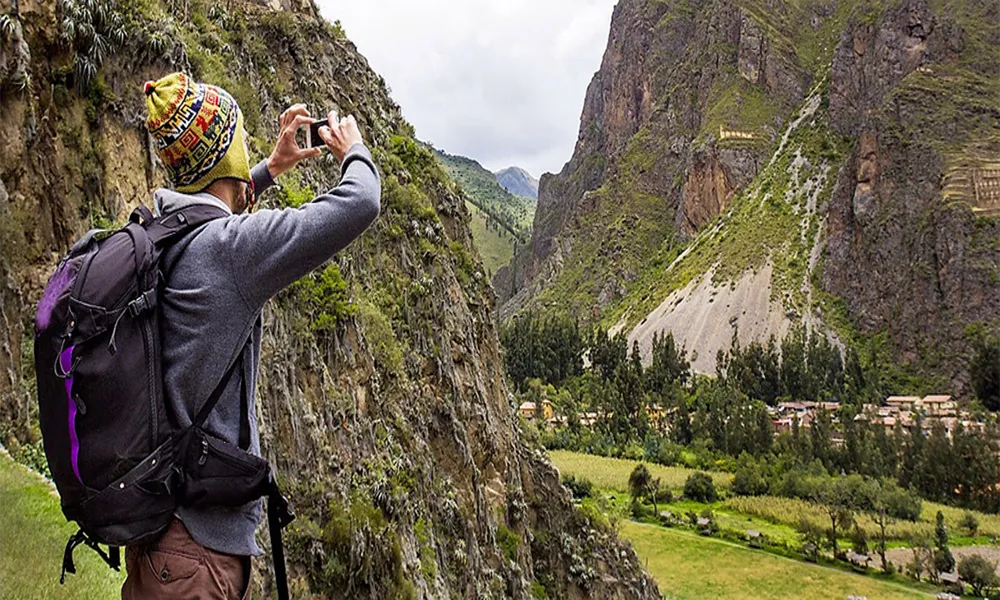
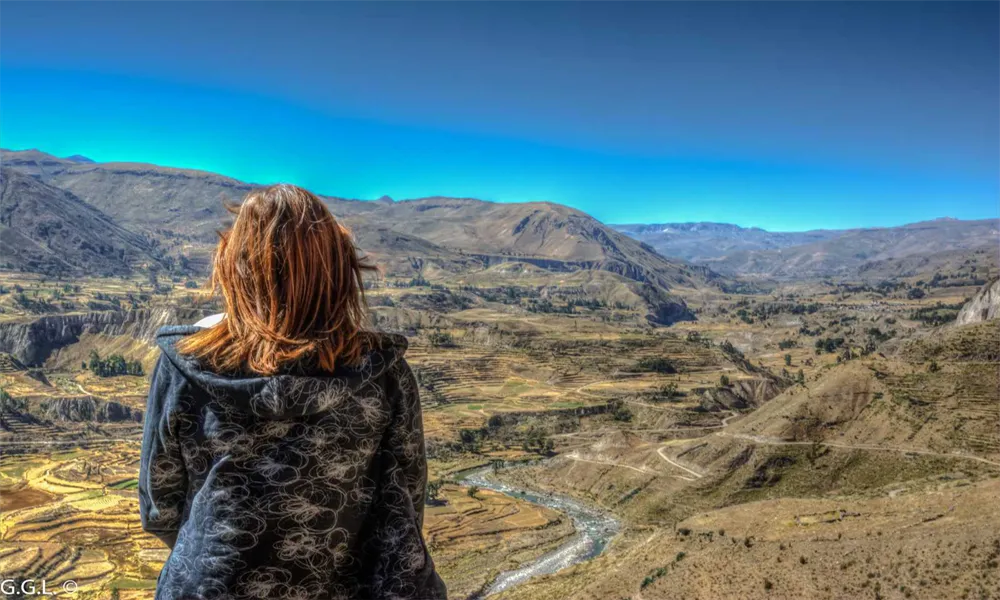
The Pariacaca snow-capped mountain, over 5,700 meters high, crowns a mountain range bordering Lima and Junín. Its double summit is seen as the material symbol of the apu, the center of the ritual territory and a connection to the Qhapaq Ñan (the Inca Trail). Pure agricultural stone, stairways, and ceremonial sites carved into the rock face can be seen on its slopes. Surrounding it, the Nor Yauyos-Cochas Landscape Reserve displays a landscape that seems woven by divinity: turquoise lagoons, crystalline waterfalls, ancient queñuals, wetlands, alert-eyed vizcachas, and rural architecture preserved as a living testament.
3. How to get there from Lima: routes, altitudes, and recommendations
1: Lima – Cañete – Huancaya/Vilca (Cañete basin)
- A journey of approximately 8–9 hours, including stops in Lunahuaná.
- Arrival in Huancaya (3,574 m), gateway to gentle trails leading to waterfalls and viewpoints.
- Vilca is located at approximately 3,810–3,855 m, with high-altitude landscapes where the air begins to feel cooler and purer.
Route 2: Lima – Ticlio – San Mateo – Tanta (western part of the Apu)
- Cross the Andes through Ticlio (4,848 m), a high and cold pass.
- Descent to Tanta (±4,268 m), a base for ascending to high lagoons and seeing vestiges of the Inca trail closer to the Pariacaca sanctuary.
Route 3: Via Junín – Jauja – Canchayllo – Cochas – Pariacaca
- Access from the eastern slope, ideal for connecting to branches of the Qhapaq Ñan mountain to the snow-capped peak and exploring more isolated communities.
Helpful tip: If you’re not used to the altitude, choose the Cañete route to gradually acclimatize. However, if you’re used to it or have time to travel, the Tanta route will bring you closer to the mythical core of the apu.
4. Climate and best time to travel
- Dry season (May to September): clear skies, bitter cold at night, but excellent visibility and easily passable trails. Ideal for trekking and classic photography.
- Late summer and early rainy season (April–May): perfect combination: high-flowing waterfalls, fresh air, and less muddy ground than in midsummer.
- Rainy season (December to March): powerful landscapes, flooded streets, risk of mudslides. Access is uncertain, but with a local guide, the experience takes on a magical intensity.
5. Unified and updated prices (2025)
For clear planning, here is a table of approximate costs per person (in Peruvian soles, S/.):
Item Approximate price (S/.)
Community entrance fee (Huancaya) 10
Community entrance fee (Vilca) 10
Community entrance fee (Vitis) 5
Full-day tour from Lima 149 – 159
2D/1N tour from Lima 370 – 380
Home-cooked meals and local dishes 15 – 30 per dish
Basic family accommodation (night) Variable, please inquire in advance
Lunch meals 20 – 40 approx.
Local guide (1-day trek) 80–120
Interprovincial transportation 70–120 (round trip approx.)
SEO Tip: Including prices with context (“Income in Huancaya is around 10 soles, similar in Vilca; Vitis usually charges 5 soles”) helps the reader and reinforces natural ranking.
6. Main attractions and their history
Huancaya and its surroundings
- Paths bordering the Carhuayno lagoon, clear stone steps, natural viewpoints where the light creates a mirror effect on the water.
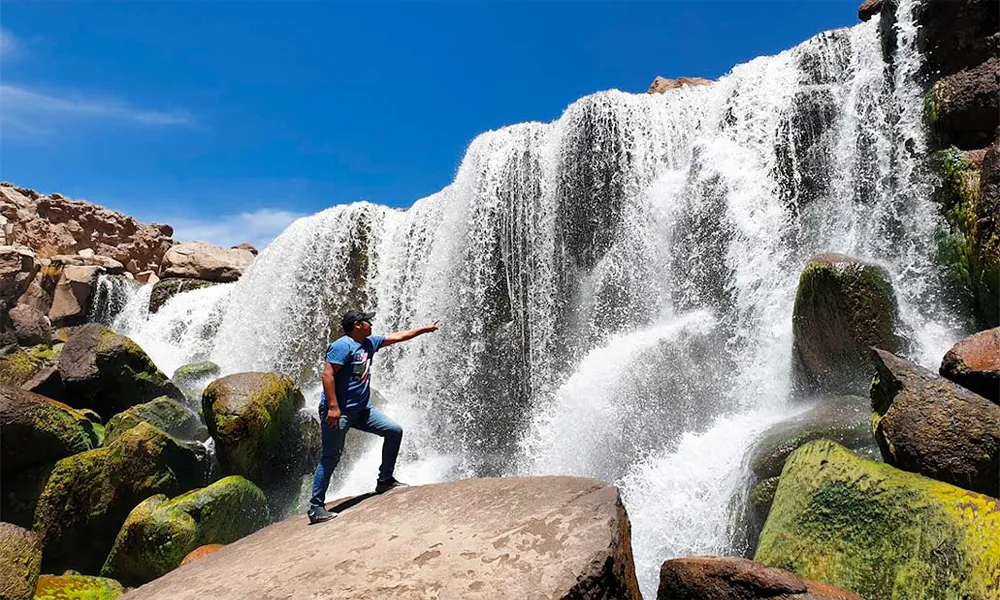
- Medium-sized waterfalls cascading in terraces, cool environments populated by ancient queñual trees.
- Adobe rural architecture, ancestral canals, and stone bridges connect daily life and spirituality.
Vilca
- The Forest of Love: a colony of queñual trees with curved and branched shapes, surrounding a crystal-clear water.
- Natural viewpoint with panoramic views of the Cañete Valley, ideal for glacier viewing and high Andean birdwatching.
- Trails to Laguna Papacocha, with the option of boating or artisanal trout fishing, depending on the season.
Tanta and close to the apu
- Lagoons like Piticocha, Mullucocha, and Paucarcocha: deep blue and sharp air.
- Remains of the Qhapaq Ñan and a long Inca staircase that climbs steep sections.
- Rock paintings and ceremonial stone sites (like Cuchimachay), silent testimony to ancestral offerings.
- Puna fauna: alert vizcachas, skittish huallatas, sacalinas on rocks, and tall ducks perching in the water.
- A palpable sense of walking in the Andean worldview, where every apacheta and stone retains an echo of the Pariacaca myth.
7. Suggested Extended Itinerary (4D / 3N)
Day 1: Depart Lima at dawn. Stop in Lunahuaná for acclimatization and lunch. Arrive in Huancaya in the afternoon, take a short hike through Carhuayno, and watch the sunset over the waterfalls.
Day 2: Comprehensive exploration of Vilca: climb to the Cantagallo viewpoint, cross the Forest of Love, visit Papacocha Lagoon, and return along quiet trails.
Day 3: Early in the morning, transfer to Tanta. Gentle hike through high-altitude lagoons, to Paucarcocha or Mullucocha. If a guide is available, climb the Inca steps where the Pariacaca myth seems to float in the wind.
Day 4: Breakfast in a community, chat with locals who recount the myth and the importance of the Apu in their daily lives. Return to Lima with stops that reinforce the transition from mythical to urban.
Optional extension: If you have more time and experience at altitude, add two additional days for a deep trek into the heart of the snow-capped mountain, with camping under starry skies and a complete experience of the myth.
8. Recommended accommodations
- Huancaya: ecolodge-style accommodations or family-run lodgings near the river or waterfalls. Make a reservation in advance, especially on long weekends or holidays.
- Vilca: Simple accommodations near the plaza, with easy access to the Bosque del Amor, ideal for small families.
- Tanta: Basic rural accommodations with a community feel, privileged views of the valley, and the option of an authentic Andean breakfast.
SEO recommendation: Using phrases like “family-run accommodations in Huancaya with waterfall views” or “experiential rural accommodations in Tanta” will boost search engine relevancy.
9. Andean Gastronomy for a Savor of the Valley
Enjoy the best of traditional cuisine: fresh high-altitude trout, green chupe (a type of soup) with chicha de jora (a type of beer), pachamanca cooked in a stone oven, mutton on a spit, crispy guinea pig, and artisanal dairy desserts—curdled milk, fresh cheese, and country yogurt. Nourish your body after the hike, and your soul, by experiencing how the food is born from the land that Pariacaca governs.
10. Travel Tips and Cultural Responsibility
- Altitude: Take your time, hydrate every hour, and avoid climbing too quickly. Bring anti-condor pills or sorojchi only if your doctor approves.
- Cash and Precautions: Bring cash in soles: there are no ATMs in Huancaya or Vilca. Buy or pay for entrance fees and services locally.
- Appropriate Clothing: Thermal layers, a hat, a windbreaker, sunscreen, UV protection, and gloves. The nights are freezing, while the days are scorching.
- Respect the territory: Don’t leave trash, don’t invade sacred areas, or invade apachetas. Follow trails and consult local residents about restricted areas.
- Local Guidance: On required treks—especially toward the apu—hire a local guide to better understand the myth and geography and contribute to the local economy.
- Alternative Plan: During the rainy season, have contingency routes; a few hours of rain can close trails. Better safe than sorry.
11. Frequently Asked Questions
Is Pariacaca really the “god of rain”?
Yes. In the Andean worldview, Pariacaca is a huaca that governs water and rainfall, replaces drought, and governs Andean agriculture. His story of triumph over Huallallo Carhuincho is central to the Huarochirí Manuscript.
Can I hike the Inca Trail to Pariacaca?
Yes, from Tanta there are visible sections of the Qhapaq Ñan and Inca stairways that ascend sacred slopes, although they require a guide and good weather.
When are the waterfalls most impressive?
In late summer and early dry season (April-May), when the flow is high and the trails are less muddy; during the rainy season (December-March), water is abundant, but the route is more demanding.
What wildlife can I easily spot?
Vizcachas standing on rocks, huallatas next to lagoons and wetlands, Andean ducks swimming, silent birds that emerge in the Andean afternoons.