Altitude Sickness in Cusco: Prevention, Symptoms and Remedies
Many travelers arriving in Cusco experience headaches, fatigue, or dizziness due to the altitude. The good news is that altitude sickness can be easily prevented with a few simple tips. In this guide, you will learn what soroche is, its symptoms, how to prevent it, and the best remedies to enjoy your trip without problems.
🧭 What is Altitude Sickness in Cusco?
Altitude sickness, also known as soroche, is the body’s reaction when it is exposed to places with high elevation and lower oxygen levels.
The city of Cusco is located at approximately 3,399 meters (11,152 ft) above sea level, which can cause symptoms in some travelers, especially during the first hours or days of the trip.
This condition is common among tourists arriving from cities located at sea level.
⚙️ How Does Altitude Affect the Body?
At higher altitudes there is less oxygen in the air, which forces the body to adapt.
This adaptation process is called acclimatization and usually occurs within 24 to 48 hours.
During this time, some people may experience mild symptoms.
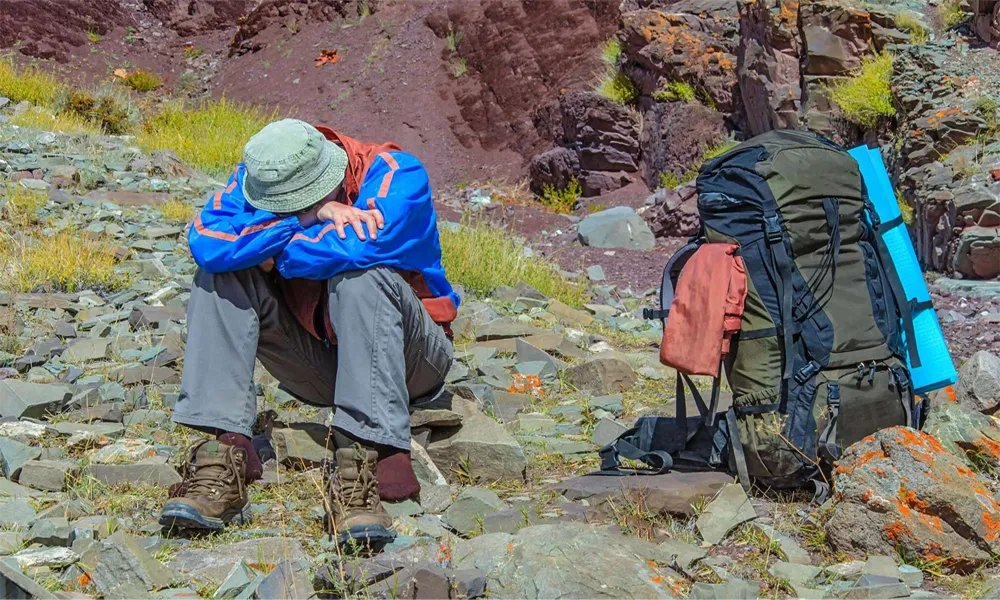
⚠️ Common Symptoms of Altitude Sickness
Symptoms can vary depending on each person.
Most frequent symptoms
- Headache
- Dizziness
- Fatigue or weakness
- Shortness of breath
- Mild nausea
- Loss of appetite
In most cases, symptoms disappear after one or two days.
📊 Key Facts About Altitude Sickness in Cusco
| Factor | Information |
|---|---|
| Cusco altitude | 3,399 m |
| Acclimatization time | 24 – 48 hours |
| Risk level | Low to moderate |
| People affected | 20% – 40% of travelers |
| Best prevention | Gradual acclimatization |
🩺 How to Prevent Altitude Sickness in Cusco
The best way to avoid soroche is to allow your body to adapt gradually to the altitude.
Main recommendations
- Rest on the first day
- Drink plenty of water
- Avoid alcohol and heavy meals
- Walk slowly
- Get enough sleep
Many hotels in Cusco also offer coca tea, a traditional drink that helps with acclimatization.
💊 Remedies for Altitude Sickness
There are several ways to relieve symptoms if they appear.
Natural remedies
- Coca tea
- Muña tea (Andean mint)
- Constant hydration
- Rest
Common medications
Some travelers use medications such as acetazolamide (Diamox) or mild pain relievers to reduce symptoms.
It is always recommended to consult a doctor before traveling.
💰 Costs Related to Treatment
In Cusco there are several options available if medical assistance is needed.
Approximate costs
- Coca tea in hotels: included or free
- Oxygen in hotels: usually free
- Medical consultation: $30 – $60 USD
- Basic medications: $5 – $20 USD
✅ What a Tourist Assistance Service Usually Includes
- Information about acclimatization
- Access to oxygen in hotels
- Basic medical advice
- Guides trained in first aid
❌ What Is NOT Included
- International medical insurance
- Specialized medication
- Hospitalization in private clinics
🎒 Pro Tips for Travelers
1. Visit the Sacred Valley first
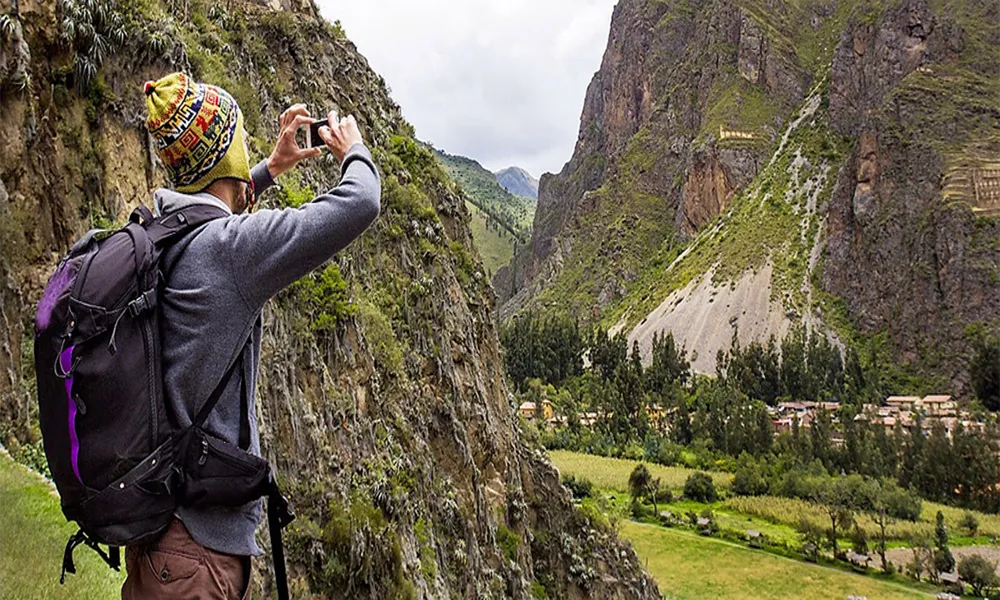
The Sacred Valley is at a lower altitude than Cusco (around 2,800 m), making it a great place to acclimatize before visiting the city.
2. Stay well hydrated
Drinking enough water helps the body adapt more quickly to altitude.
Avoid:
- Alcohol
- Energy drinks
- Excessive caffeine
3. Avoid intense activities on the first day
During the first 24 hours, it is best to avoid:
- Demanding trekking
- Long hikes
- Climbing many stairs
4. Sleep well and rest
Proper rest helps the body adjust faster to altitude changes.
Altitude sickness in Cusco is a common condition among travelers, but it is usually mild and temporary. With proper acclimatization, good hydration, and a few basic precautions, most visitors can enjoy their trip without major problems.